

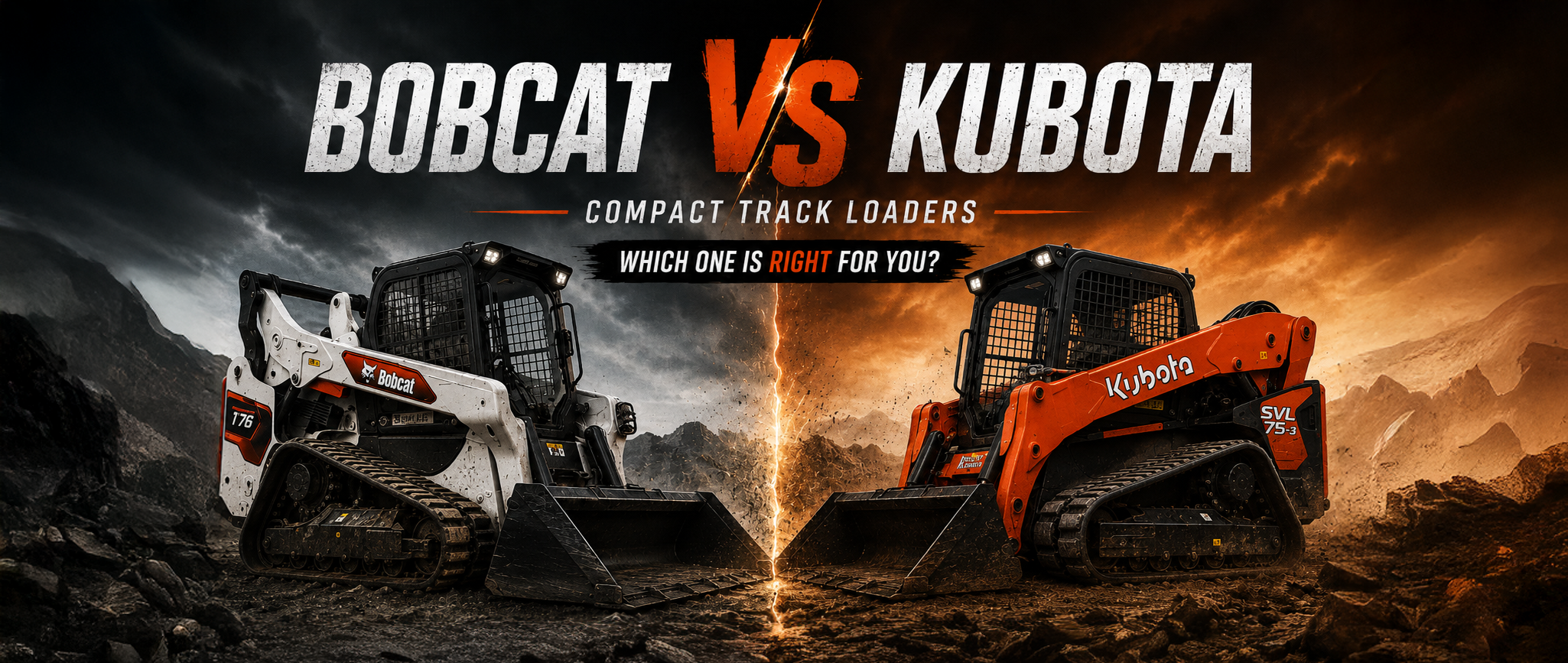
Bobcat vs Kubota An honest comparison from a dealer who rents and sells both
Quick disclosure, then we'll get out of our own way.
There's a lot of Bobcat in our rental fleet. There's a lot of Kubota in it too. Both get rented hard, both get serviced here, and both get sold used off our lot when we're done with them. The only difference is new machines: we sell new Kubota, and we don't sell new Bobcat.
That's it. That's the whole conflict of interest. Do with it what you want.
Here's why it matters to you. Search this topic and you'll get a dozen articles from dealers who carry exactly one of these brands, and every one of them lands on the brand they sell. That's not a comparison. That's a brochure with a table in it.
What we've got that they don't is years of running both. Rented out, beat on, brought back, fixed, rented again. That's a different kind of information than day one performance, and it's the kind that decides whether you were right.
You're about to spend somewhere north of fifty thousand dollars. You deserve better than a brochure.
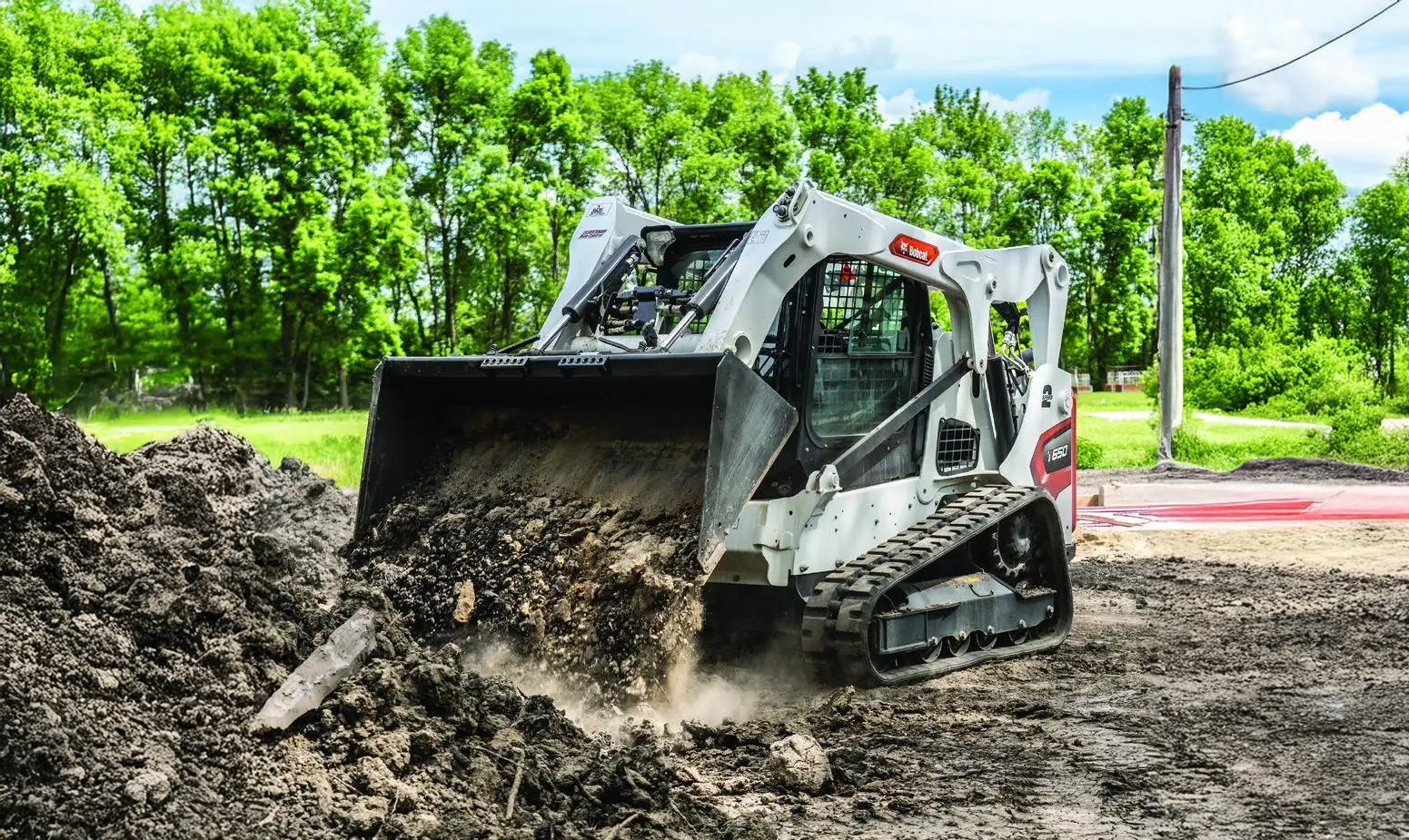
Four Things Bobcat Does Better Than Kubota
Starting with our competitor's wins, because a comparison that can't do that isn't worth reading.
Give Bobcat their due. They pioneered the wheeled skid steer and built this whole category from nothing, and sixty years of being first still shows. What they didn't invent is the track loader, which is a different machine with a different origin, and the two get confused constantly for reasons that make sense once you've run both.
That aside, here's where Bobcat is the better buy.
If those four things describe your operation, buy the Bobcat. We can't sell you a new one and we'll still tell you that, because pointing you at the wrong machine is how we lose you for the next twenty years.
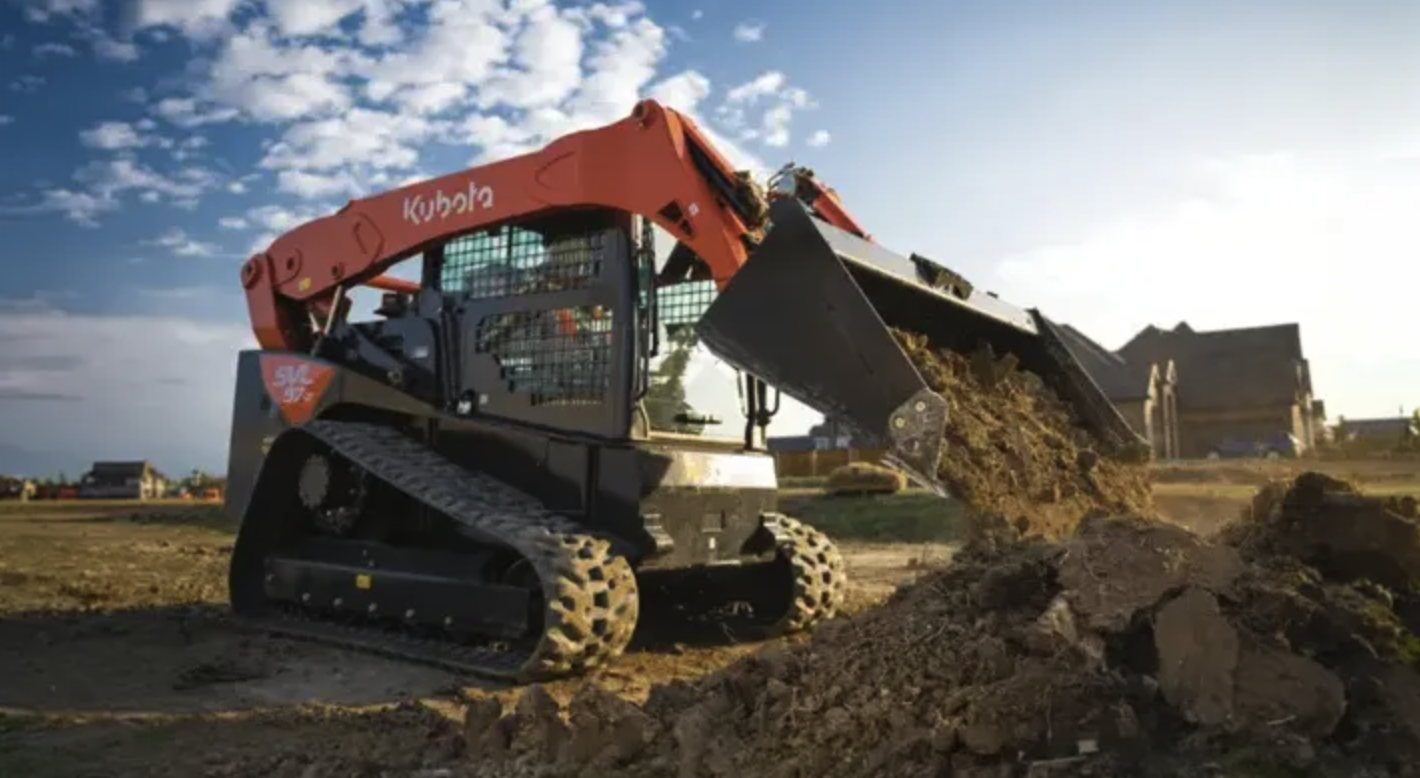
Four Things Kubota Does Better Than Bobcat
Bobcat sourced theirs from Kubota until 2015, then switched to Doosan. Some machines still run Kubota power. Ask anyone who ran a Bobcat back when there was a Kubota under the hood how they feel about what came after. You'll get an earful.
When the thing that makes your money quits, nothing else on this page matters. That's the argument.
| Bobcat | Kubota | |
|---|---|---|
| Engine | Doosan since 2015 | Wins. Number one global share, sub 100 hp |
| Attachment options | Wins. 100 plus factory, thousands aftermarket | Fewer |
| Two speed | Costs extra | Standard |
| Bucket breakout | 5,130 lb | 5,884 lb |
| Rated capacity | 2,826 lb | 2,630 lb |
| Cab and visibility | Outside window track, wiper in the sightline | Wins. Wider, better sightline |
| Over 100 hp | Wins. Beast size machines | Line tops out lower |
| Build quality | Solid | Solid |
Yes, we sell Kubota. We told you that before you scrolled. The difference is we're the only ones who'll point at the rows where you should probably buy the other guy.
What Both Brands Have Cost Us
A rental machine lives a harder life than one you own. Different operator every week, nobody babying it, hours stacking up fast. Two or three years in a rental fleet teaches you what eight years of ownership would.
Here's what we've learned running both.
Rental fleets see this more than owners do because rental operators idle machines. If your crew runs hard all day, you will probably never think about it. If your machine spends a lot of the day sitting at idle waiting on a truck, take that seriously before you buy, on any brand, because this is an emissions era problem and not strictly a Kubota one.
None of this makes either one a bad buy. It's the stuff you find out in year three, and we already found it out on our dime.
Machine for Machine
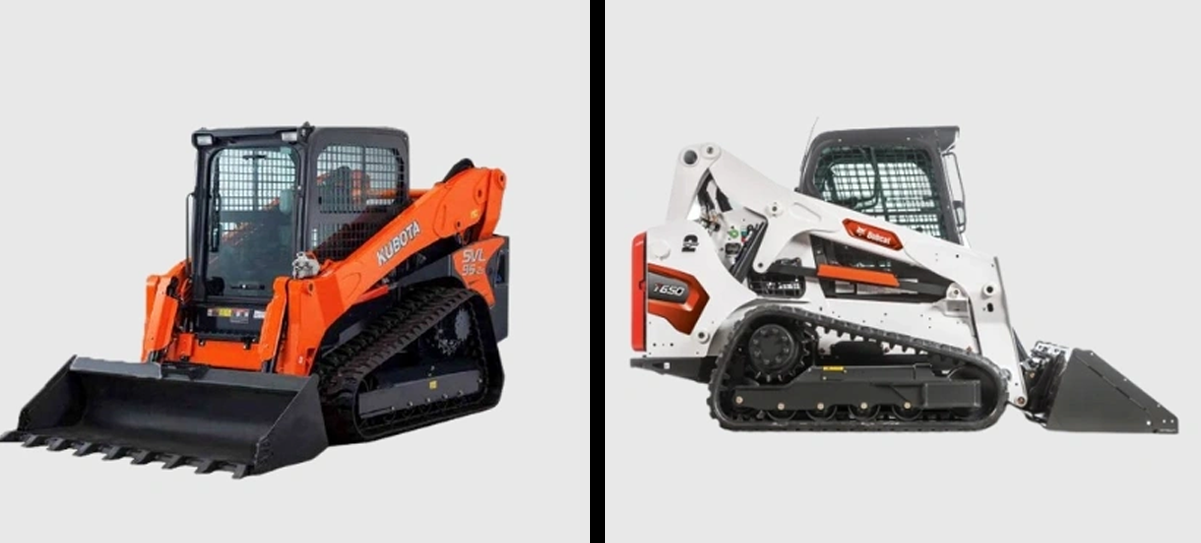
Kubota SVL75-3 vs Bobcat T76
This is where most contractors land, and it's the closest matchup in the lineup. Kubota takes the engine and the standard two speed. Bobcat takes attachment selection. Call it a wash on capability and decide it on service.
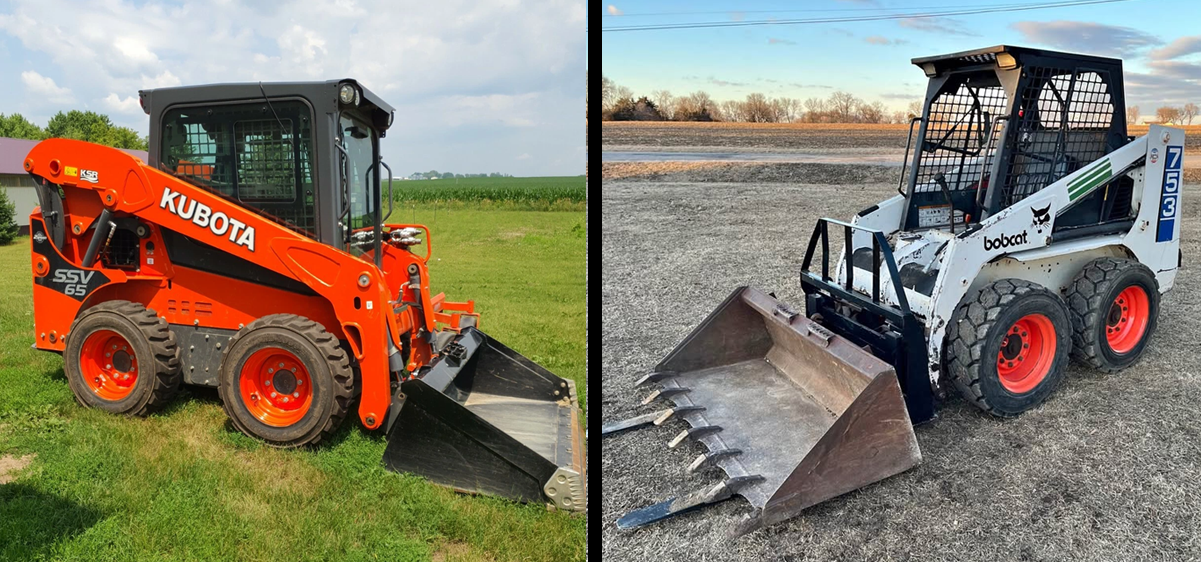
Kubota vs the Bobcat wheeled skid steers
Kubota on breakout and visibility, Bobcat on rated capacity.
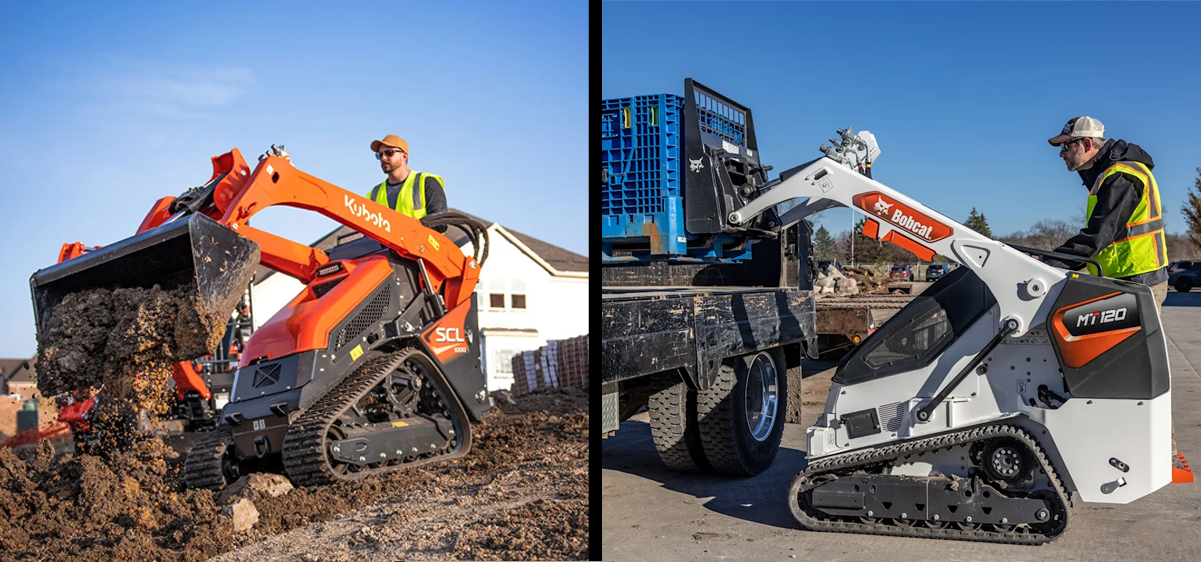
Kubota SCL1000 vs the Bobcat MT series
Different design philosophy. The SCL1000 is 36 inches wide and fits through a standard side gate, which is the entire reason to own one if you do backyard, landscape or hardscape work.
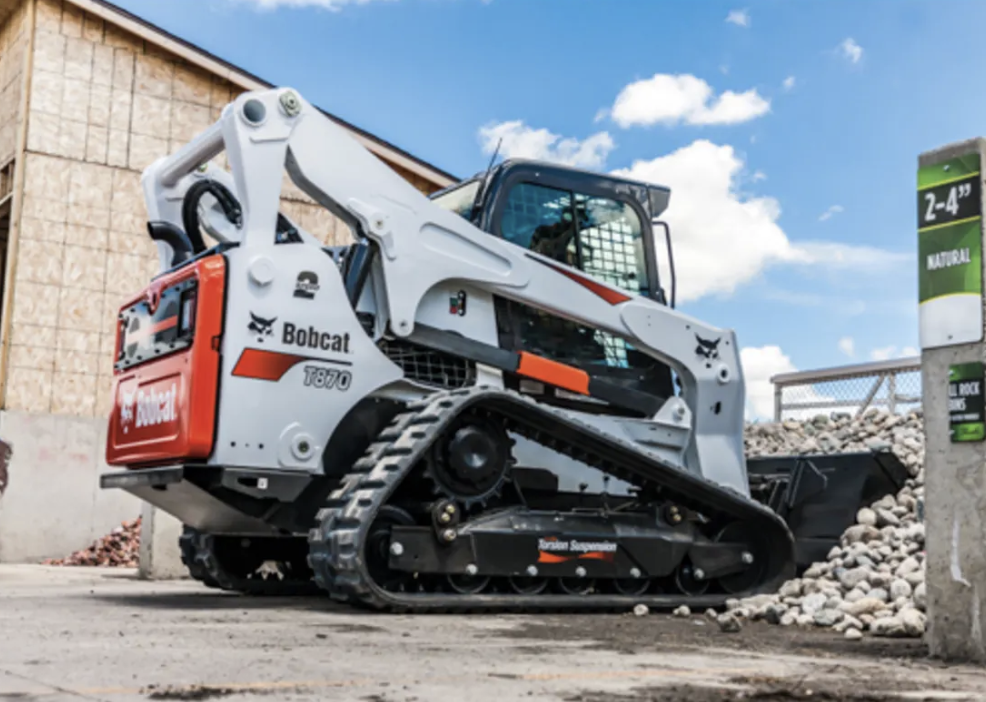
Bobcat, honestly
Kubota's compact track loader line tops out below where Bobcat's largest machines start.
The Short Version
Lower entry price, better factory financing, an easier cab to learn in, and controls that don't punish you for being new. Going from renting to owning is already a big step. This is the softer landing.
Buy wheels, not tracks, and buy whichever brand your local dealer supports better.
Bobcat. More options, bigger machines, and your couplers already fit.
Kubota track loader. Better engine, better cab, better price, and the emissions system is manageable if the machine actually works instead of idling.
Come run both back to back on our yard. Half an hour in each seat will tell you more than another week of reading.
Already Running Bobcat and Looking at Something Else?
Different question than which one to buy new, and the people asking it usually aren't asking because of specs.
In our experience it comes down to three things.
If you're switching, the practical concern is your attachment inventory, because Bob-Tach and Kubota's coupler are not the same thing. Adapters exist. Bring us your list and we'll tell you straight what carries over and what doesn't, before you commit to anything.
And there's an easier way to settle this than reading about it. Come put the other one through its paces on our yard. We have both here, so you can run them back to back and feel the difference yourself. Seat time will tell you more than this entire page.
Worth knowing too: the Bobcats we retire out of the rental fleet get sold used off our yard. Full service history, because we're the ones who serviced them. If a used machine fits your budget better than a new one, that's a real option and we'll be straight with you about what each unit has been through.
The Spec Sheet Is the Least Important Thing on This Page
Here's the uncomfortable truth, and it undercuts about eighty percent of what you just read.
Both of these companies build good machines. Neither one is going to fail you because of a horsepower rating. We'd know, we've got both sitting in the yard right now. The iron is not your risk.
Your risk is downtime. A machine in a shop queue earns zero, and it earns zero whether the badge says Bobcat or Kubota. Two contractors can buy the identical machine on the same day and have completely different experiences with it, and the variable isn't the brand. It's who services it and how fast.
That's a local question. It has nothing to do with either logo.
So when you're comparing, stop reading spec tables and start asking the questions that actually predict your next five years:
- Where's the nearest shop that works on this machine, and how far is that from your yard?
- Do they stock filters and wear items, or does everything get ordered?
- What's the real turnaround on a warranty repair right now, this month, not in general?
- When you call, do you get a person who knows equipment or a queue?
We're at three branches in Southern California. Sun Valley in Los Angeles, Temecula, and Escondido in San Diego. Same family since 1952. The people who answer the phone are the people who'll deliver your machine.
Ask us those four questions. Then call whoever else you're considering and ask them the same four. Whoever gives you a straight answer without checking with someone is probably the right call, and we're comfortable being judged on that.
Straight Answers
What's the difference between a skid steer and a track loader?
Wheels versus rubber tracks. Otherwise they operate almost the same way, which is why most people use the terms interchangeably. Wheels are faster and cheaper on hard surfaces. Tracks work where wheels sink or tear up ground.
Who invented the skid steer and who invented the track loader?
Two different answers, which is where the confusion comes from. Bobcat pioneered the wheeled skid steer, going back to the Keller brothers in 1956 and the M440 in 1962. The compact track loader came from Takeuchi in September 1986. ASV contests that one, since its Posi-Track reached market in 1990 and Takeuchi's TL26 in 1991.
Which one should I buy if it's my first machine?
Kubota, most of the time. Lower entry price, better factory financing, and an easier cab to learn in. If you already own attachments and have strong preferences, that logic doesn't apply to you.
Is Kubota better than Bobcat?
Depends entirely on the work. Bobcat has more attachments and a wider model range at the top end. Kubota builds their own engines and comes in lower on price for comparable machines. Neither one is a bad buy.
Does Bobcat use Kubota engines?
They used to. Bobcat switched to Doosan engines in 2015.
Will my Bobcat attachments fit a Kubota?
Not directly. The coupler systems are different. Adapters are available for a lot of it. Bring us your list and we'll go through it with you.
Which holds value better?
Both hold up well. Bobcat has the wider resale market by volume. Kubota's lower purchase price often means the gap closes on what you actually lose over the term.
Which is cheaper to own?
Purchase price usually favors Kubota. After that it's parts, service and downtime, and that's a dealer question more than a brand question.
We're Not Going to Close You
You've read this far, which means you'd see it coming anyway.
Here's the offer. Come to any of our three branches and put your hands on both machines. Run them. Load a bucket, feel the controls, sit in both cabs back to back, because ten minutes in the seat beats every word on this page. Ask us the hard questions about either brand and we'll answer them the way we answered them above.
Sure, we'd like to sell you a Kubota. But we've been here since 1952 by being the yard people call back, not the yard that won an argument once.
Buy the right machine. If that's not ours, we'd still rather you heard it here.