

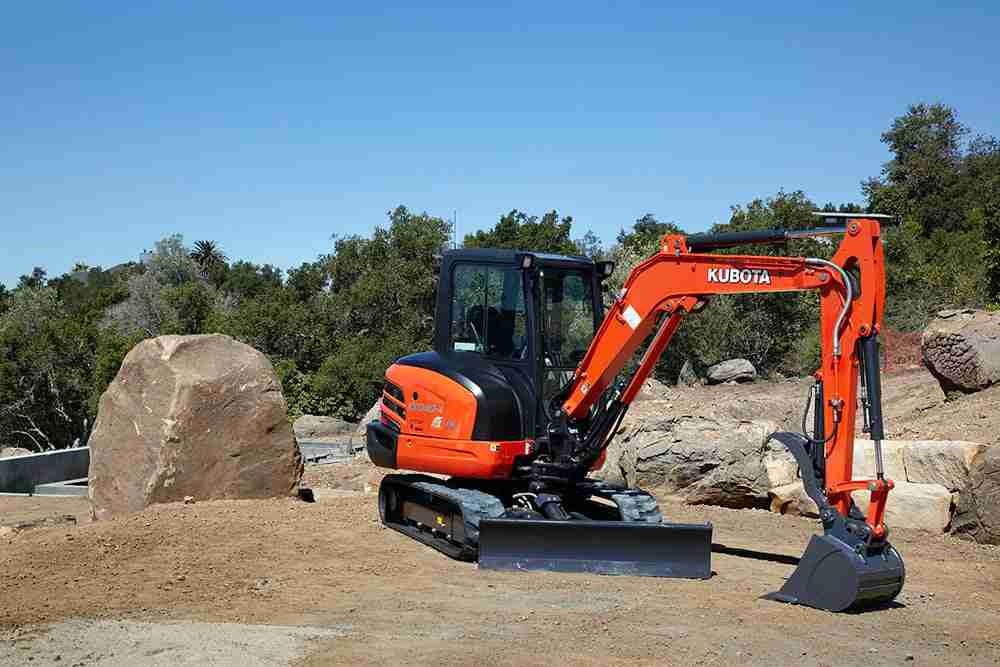
The KX040, and Who Should Not Buy One Where the four ton class actually sits, the complaints owners raise at six months, and the two things that decide whether this is your machine
Disclosure, since it changes how you should read this. We are a Kubota dealer. We sell the KX040. We would like you to buy one from us.
So this is not a review in the sense that a magazine writes reviews. What it is instead is the conversation we have with people who come in asking about this machine, including the parts where we talk them out of it. Roughly a third of the people who walk in asking about a KX040 leave having ordered something else, and that is not us being noble, it is us not wanting the machine back on a trade in eight months.
The KX040 is a very good machine that is wrong for a lot of the people who ask about it, almost always for the same two reasons.
Those reasons are trailer weight and tail swing. We will get to both.
Jump to what you came for
A Four Ton Machine in a Three Ton Buyer's Search History
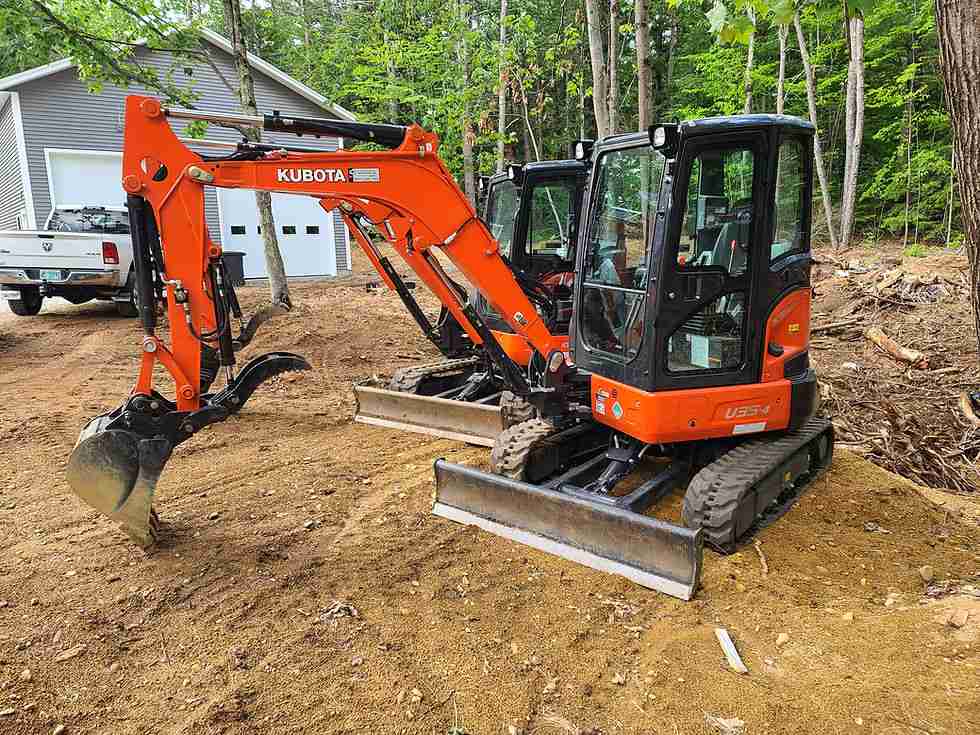
The KX040 sits in the four ton class. That single fact explains most of what follows, because the people searching for it are usually coming from the U35 and the KX033 and are looking at it as the next size up.
It is the next size up, but the step is not linear. Going from a three ton to a four ton machine changes the trailer, sometimes changes the truck, and changes whether you can get into a residential side yard. Those are not spec sheet numbers. They are the things that decide whether the machine gets used.
What you get for the step is real. More reach, more depth, more breakout force, and a machine that does not run out of ability halfway through a footing trench. If your work genuinely needs that, nothing in the class below will substitute.
How It Stacks Against What You Are Probably Also Looking At
Almost nobody shops a KX040 alone. It gets shopped against the U35 below it and the KX057 above it. Here is the honest shape of that decision.
| Machine | Where it wins | Where it costs you |
|---|---|---|
| Kubota U35 | Zero tail swing, lighter trailer | Less reach and depth. Runs out of machine on deeper footings and bigger backfill. |
| Kubota KX040 | Best reach per dollar in the range | Tail overhangs the tracks. Weight pushes you into a heavier trailer than most people own. |
| Kubota KX057 | More of everything, cab comfort | A real step in weight and price. Firmly a commercial machine with commercial transport needs. |
If that table makes the U35 look better, that is because for a lot of buyers it is. It is also why we sell more U35s than KX040s, despite the KX040 being arguably the better value on paper. Paper does not have to reverse into a side yard.
The Complaints We Actually Hear
These come from owners, at the service counter, usually about six months in. None of them are reasons not to buy it. All of them are reasons to buy it with your eyes open.
What we do not hear, for the record, is complaints about the digging. Nobody buys this machine and finds it weak. The complaints are all about the things around the machine rather than the machine itself.
Tail Swing Is the Whole Decision
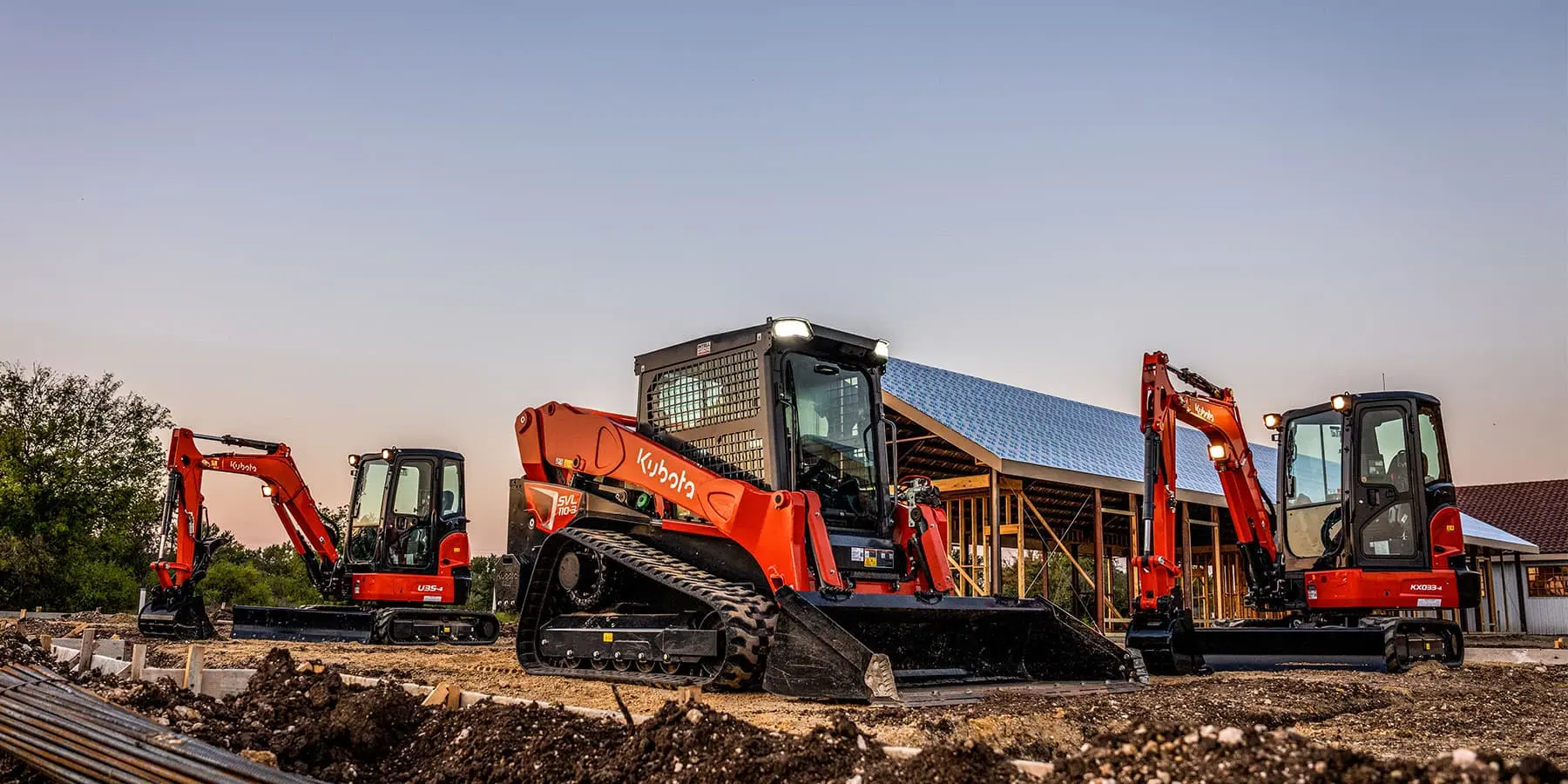
A zero tail swing machine keeps its counterweight inside the track width when it rotates. A conventional tail machine does not. That is it. That is the entire distinction, and it decides where the machine can work.
The reason conventional tail machines still exist, and the reason the KX040 is good, is that the overhanging counterweight is doing real work. It buys you stability and lift at reach that a zero tail machine of the same weight cannot match. You are not paying a penalty for the tail, you are being paid in capability for accepting it.
So the question is not which design is better. It is which problem you have.
Open ground, new construction, rural property
Pads, ponds, footings on open lots, septic, land work. If you are not routinely working within a few feet of a standing structure, the overhang costs you nothing and the extra capability is effectively free.
Residential, side yards, between buildings, roadside
Anywhere you rotate next to something you would have to pay to repair. Zero tail is not a luxury in that work, it is the thing that makes the job possible at all.
If you genuinely do both, most people end up on the zero tail machine and accept slightly less reach, because the constraint is harder than the capability is valuable. That is a preference, not a rule, and plenty of good operators go the other way.
The Trailer Is Part of the Purchase Price
A four ton machine is heavier than a four ton number suggests once it is configured. Add a thumb, a second bucket, a full tank and an angle blade, then add the trailer itself, and the combined weight climbs into territory where a lot of half ton and three quarter ton setups are no longer within rating.
This matters in three separate ways and people usually only think about the first.
The reason we push on this is not liability theatre. It is that we have watched people buy a machine they then could not legally move, and the fix is either a trailer, a truck, or sending the machine back. All three are expensive and all three were avoidable with one conversation beforehand.
Who Should Actually Buy a KX040
The Short Version
It is a genuinely good machine
Nobody complains about how the KX040 digs. The reach and breakout for the money are the strongest argument in the range, and the angle blade option makes it a grading machine as well as a digging one.
The tail decides it
Open ground, buy it. Working tight against structures, buy the U35 instead and accept less reach. That one question settles most of these conversations in about a minute.
Price the trailer at the same time
The transport cost is part of the purchase whether or not it appears on the quote. Work out the combined weight before you commit to the machine.
Specify the thumb and aux hydraulics at order
Retrofitting costs materially more. Same lesson as third function on a tractor loader and just as commonly learned the hard way.
Five Questions Worth Asking Any Dealer
- What is the operating weight of this exact machine as you are quoting it, with the attachments included?
- What does that weight mean for my existing trailer and truck?
- Is the angle blade available on this configuration, and what does it add?
- What do the hydraulic thumb and auxiliary circuit cost now versus retrofitted later?
- When is the break in service, what does it include, and do you come to me or do I bring it in?
Three branches. Sun Valley, Temecula, Escondido. Same family since 1952. If the answer to question two is bad news, we would rather give it to you before you have signed anything.
Straight Answers
What size is a Kubota KX040?
The KX040 sits in the four ton class with roughly forty horsepower, a step above machines like the U35 and KX033 and below the KX057. Confirm exact operating weight and dimensions against the specific model and serial you are quoted, because Kubota revises figures across production runs and configuration changes the weight meaningfully.
Does the Kubota KX040 have zero tail swing?
No. The KX040 is a conventional tail swing machine, meaning the counterweight overhangs the tracks when the house rotates. That overhang is doing useful work, buying stability and lift at reach that a zero tail machine of similar weight cannot match, but it limits where the machine can operate. If you work tight against structures, a zero tail machine such as the U35 is the better choice.
Is the Kubota KX040 a good machine?
Owners rarely complain about how it digs. The reach, depth and breakout force for the money are the strongest argument in its part of the range. The complaints that do come up are about the things around the machine rather than the machine itself, principally the tail overhang and the trailer weight.
What are the common problems with a Kubota KX040?
The recurring themes from owners are underestimating the tail overhang after running a zero tail machine, discovering their existing trailer is not rated for the machine with attachments fitted, diesel particulate filter regeneration triggered by long idling, and skipping the hydraulic thumb and auxiliary plumbing at order only to pay more retrofitting it later.
What trailer do I need for a Kubota KX040?
Generally a tandem axle equipment trailer rather than a utility trailer. Rate the trailer for the machine plus attachments and fuel rather than for the bare machine weight, and check the tow vehicle's payload and tongue weight limits separately, since those are often exceeded before towing capacity is. Combined weight thresholds also carry legal consequences, so confirm where your combination lands before buying.
Should I buy a KX040 or a U35?
It comes down to where you work. On open ground, new construction and rural property, the KX040's extra reach and depth are worth having and the tail overhang costs you nothing. Working in residential side yards, between buildings or against roadside obstacles, the U35's zero tail swing is what makes the job possible, and most buyers who do both choose zero tail.
Why does my Kubota KX040 go into regen?
Diesel particulate filter regeneration is a normal function of this emissions class, not a fault. It is heavily aggravated by extended idling, because low exhaust temperatures let soot accumulate faster than it burns off. Machines that are actually worked generally manage regeneration without interrupting the job.
Yes, This Is an Ad
You just read an equipment dealer explain brush clearing. You knew what this was from the first line and read it anyway, so we will not pretend otherwise now.
What we are offering is the site walk. Send photos, or have us out, and we will tell you which of the four approaches your lot needs. Sometimes a rental. Sometimes one implement you use every spring. Sometimes your slope is too steep for any of it and you want a hand crew, in which case we will say so, because a customer who bought the wrong attachment does not come back for the tractor.
And if you are clearing ahead of the wet months, do the drainage in the same trip.
We have been here since 1952 by being the yard people call back, not the yard that sold somebody a mulcher they use twice.