

Read the Warranty Before You Need It What Kubota coverage is built to handle, what it was never going to pay for, and the paperwork that decides which one you get
Disclosure first. We sell Kubota equipment and we run the shop that files the warranty claims on it, so we get paid on the sale and again on the repair.
That conflict cuts in a direction most people do not expect. Your dealer submits the claim. Your dealer also calls back to say it was denied.
So here is the part that argues against us. Most of what goes wrong on a compact machine early is not a warranty event. It is a wear item, a fluid, a track, or something an operator did on a Thursday. Warranty is narrow. Not a maintenance plan, not insurance.
You are spending tens of thousands of dollars, and the repair you are actually worried about, a hydraulic pump or a final drive, is a four figure invoice before anybody touches labor. That is why you are here.
Now the uncomfortable part. This page will not tell you how many months or hours you are covered for, and it will not quote a dollar limit. That is deliberate, and there is a section below on why.
A warranty number that is correct for somebody else's machine is not a number. It is a guess with a decimal point in it.
Jump to what you came for
How Kubota Coverage Is Actually Built
The first mistake is thinking of a warranty as one block of time. It is a stack of coverages that start on the same delivery date, cover different parts of the machine, and stop at different points.
| Layer | What it generally addresses | What you confirm for your serial number |
|---|---|---|
| Base machine | The broadest layer. Factory defects in material and workmanship. | The term, and whether your class gets the standard version. |
| Powertrain | Engine, transmission and drive components, usually carried further. | Whether it is automatic or tied to registration. |
| Emissions components | Parts required to meet federal and California emissions rules. Governed by regulation. | Which components qualify. A defined list, not the whole exhaust. |
| Attachments and implements | Buckets, loaders, backhoes, third party implements. Often separate from the machine. | Who warrants it. A Land Pride implement is different paperwork. |
| Purchased contracts | An add on you bought, with its own exclusions and a deductible. | Everything. Read the exclusions before the brochure. |
Structure only. Nothing here states a duration, an hour limit or a dollar cap on your machine, because those move by model year and by class.
Why This Page Will Not Tell You How Many Months
Every competitor page you are about to open leads with a number. We are not going to, and this section exists so you know that was a decision.
Kubota terms are not one policy. They vary by machine class, by model year, and by how the machine was registered at delivery. A tractor and a track loader are not on the same terms.
Publish one number on a page strangers read and either it was already wrong for your class, or it goes stale when programs change and nobody updates the post. Both end with an owner at a service counter holding a printout of something we wrote.
We would rather be the page that told you to go check than the page that handed you a confident wrong answer.
Maintenance intervals are published and specific, so they are easy to be honest about. Those live in Kubota maintenance 101. That page gives numbers, because it can.
What Actually Voids Coverage
Nobody voids a warranty on purpose. They void it by accident, over a year, one small decision at a time.
Here is the honest core of this page. In our shop, most denied claims are a paperwork problem, not a parts problem. The component really did fail. What sank the claim was that nobody could show what had been done to the machine first.
Notice what is not on that list. Working the machine hard. Caliche and hardpan. Defects happen to careful owners too.
Your Machine Class Changes the Answer
Mini and compact excavators
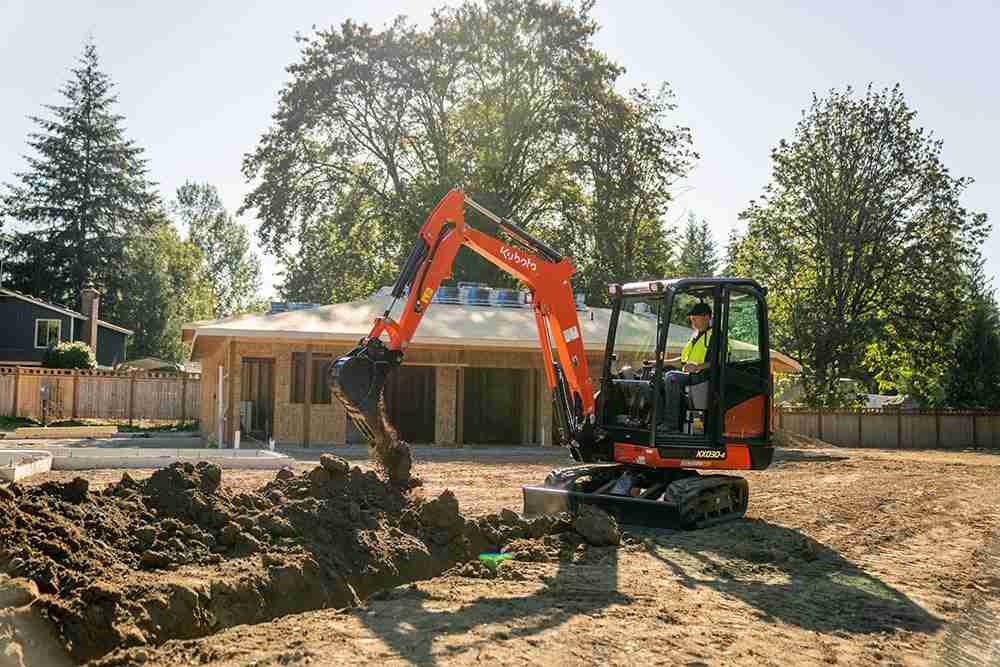
Their own terms, with hydraulics and final drives the components everybody is actually asking about. Thumbs and breakers bought elsewhere carry their own coverage, and how they were plumbed in matters.
Compact tractors
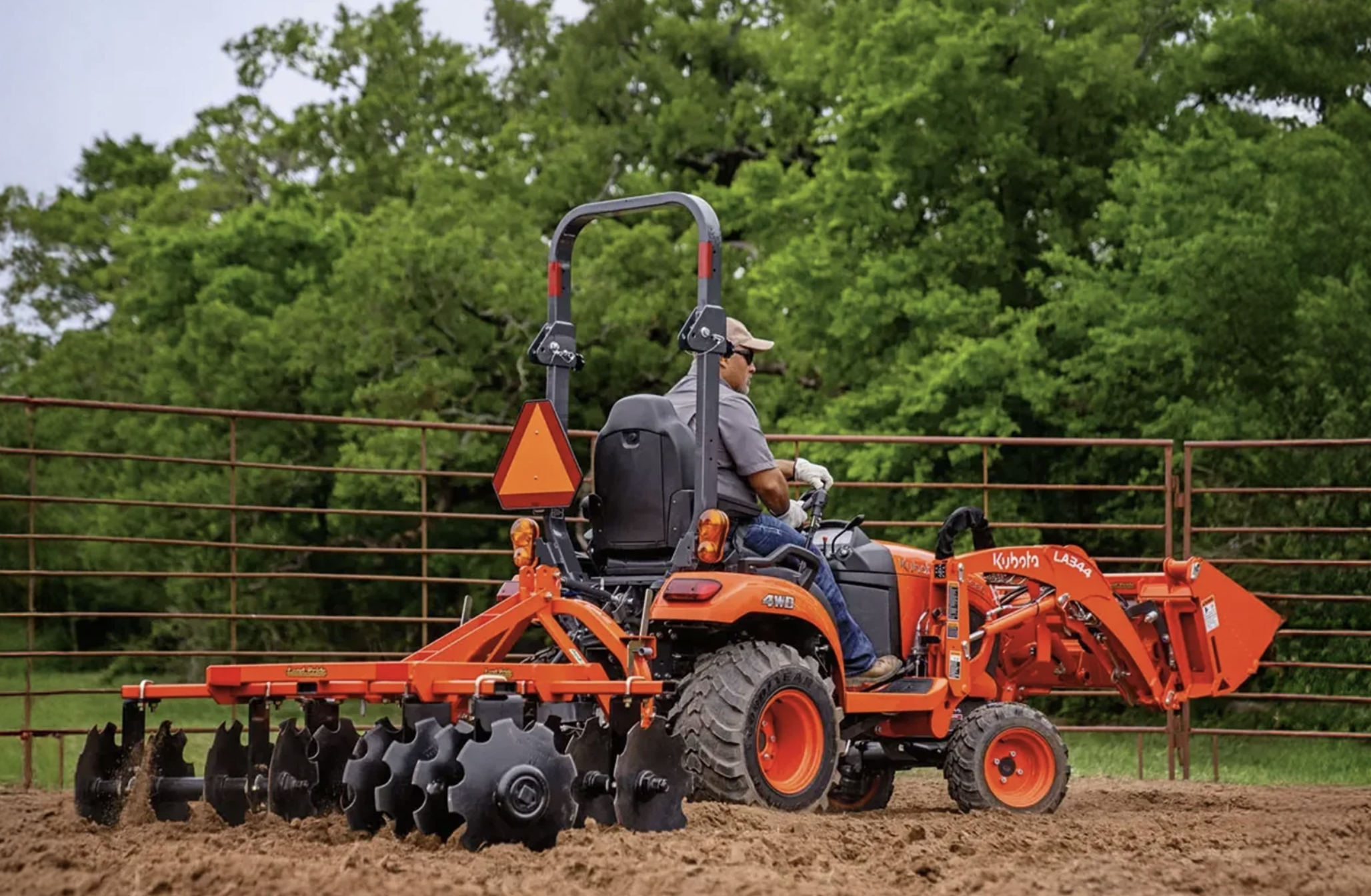
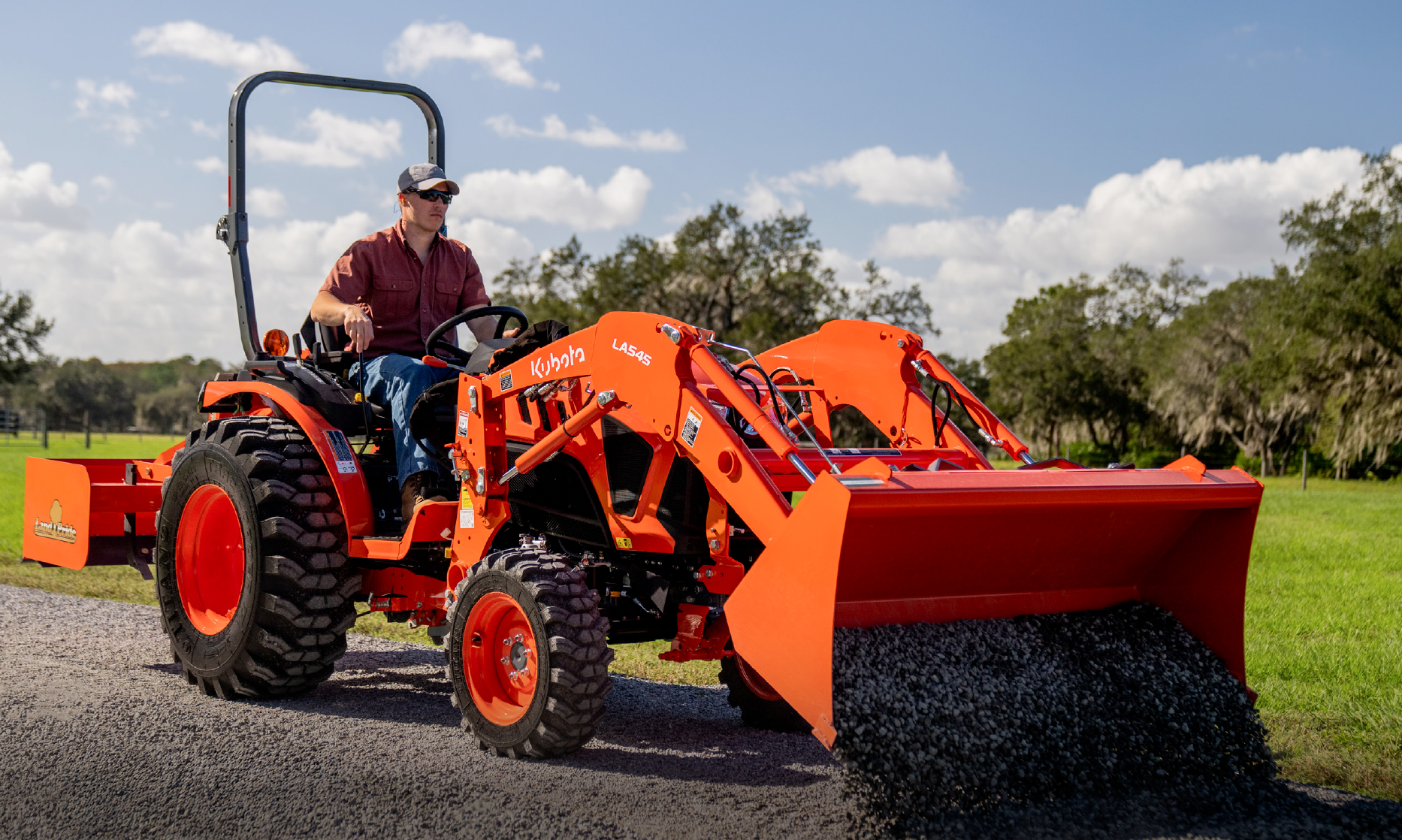
Where the residential and commercial split bites hardest, because these sell to property owners who later start working for neighbors. The loader and backhoe may sit under different coverage than the tractor.

Skid steers and track loaders
Bought almost entirely for commercial work, so the use question is simple. The argument here is the undercarriage, a consumable that is not covered for wearing out. We go through that in the compact track loader guide.
Three classes, three sets of documents, one badge. Owning one Kubota teaches you nothing about the terms on the next.
What Is Never Covered, On Any Machine
Some exclusions are universal. Every manufacturer writes them the same way. A part that wears out by design is not a defect.
| Item | Status | What is actually going on |
|---|---|---|
| Rubber tracks and tires | Wear item | Life is set by how and where you run. Counterrotating on asphalt is a purchase decision, not a claim. |
| Filters, oil, coolant, grease | Consumable | Your cost, on a published schedule. Skipping them also loses coverage on the parts around them. |
| Glass, mirrors, lights | Damage item | Breakage is not a defect. Equipment insurance covers this, and most owners never check whether they have it. |
| Cutting edges, teeth, pins | Wear item | Designed to wear so the expensive structure does not. Replacing them is the system working. |
| Belts, hoses, batteries | Usually limited | Often treated differently. A battery that fails early and one left flat all winter are not the same claim. |
| A genuine defect in any of these | Different question. | A track that delaminates in a fraction of its life is a defect conversation, not a wear one. Keep the part. |
That last row matters. Wear items are excluded because they wear out, not because they are invisible. If something failed in a way that makes no sense for its age, say so.
The Short Version
Photograph the serial plate and ask any dealer for the terms tied to it and to the in service date. Five minutes, and the only answer about your machine.
Ask what date goes on the registration and whether the use classification matches how you will run it. Get that right and most of this page never becomes your problem.
Keep doing it. Keep the receipts, write the hour meter reading on each, photograph them. That shoebox is the highest return thing an owner does.
Read the exclusions and the deductible before the brochure. If the seller will not hand you the contract language first, that is your answer.
Then warranty is the wrong thing to optimise. Rent, and let somebody else own the exposure. The math is in rent or own on a skid steer. We make money either way.
Bring the records in and ask for the specific reason in writing. Plenty of denials turn on a missing document rather than a judgement call.
Talk to a service department
What This Has Cost Us Out of Our Own Fleet
We rent these machines, so a different operator abuses one every week and the bill lands on our desk. That makes us a customer of the warranty process as well as an administrator, and we have lost claims on our own fleet.
None of that makes the coverage bad. It makes it what it is, protection against the factory getting something wrong, not against the world. If the payment worries you more than the repair, read how Kubota financing works. Our SVL75-3 review carries the complaints owners have.
This Page Is Not Your Warranty
Time to undercut everything above. What you just read is a description of how this generally works, written by a dealer, on a date that will eventually be a while ago.
It is not a contract. The document that came with your machine is, and if there is daylight between the two, the document wins and this page loses.
What decides your next five years is not the terms anyway. Two owners can buy identical machines on the same morning under identical coverage and have completely different experiences.
It is whether the shop that files your claim is close, stocked, and willing to answer the phone.
So put the spec sheet down and ask any dealer these six:
- Pull my serial number. What coverage is on this machine, and what in service date is registered?
- Is it registered residential or commercial, and does that match how I told you I will use it?
- Which components on this class sit under separate emissions coverage?
- What is your real turnaround on a warranty repair this month, not your usual answer?
- Do you stock filters, hoses and wear parts for this model, or is it all ordered?
- If a claim is denied, will you give me the specific reason in writing?
Six branches for rentals, parts and service: Los Angeles (Sun Valley), Santa Fe Springs, Temecula, Corona, Escondido and Vista. Same family since 1952. Ask us those six, then ask whoever else the same six.
Straight Answers
What does the Kubota warranty cover?
Defects in factory material and workmanship, in layers: a base machine layer, a powertrain layer for engine and drive components, a separate emissions layer governed by regulation, and separate coverage for attachments. Wear, consumables, damage and neglect are excluded. Exact terms vary by machine class, model year and registration, so confirm yours against your serial number.
What voids a Kubota warranty?
Roughly in order of how often we see it: skipped services with no records, the wrong fluid in a hydraulic or transmission system, aftermarket hydraulics spliced into the factory circuit, a deleted emissions system, commercial use on a machine registered residential, and abuse such as operating through a warning light. Most denials are a paperwork problem, not a parts problem.
Are rubber tracks and tires covered under warranty?
Not for wear. Tracks and tires are consumables whose life is set by how and where the machine runs, so wearing out is the design working rather than a defect. A genuine manufacturing defect is a different conversation, so if a track fails in a fraction of its reasonable life, keep the part and raise it as a defect claim.
Does servicing my own Kubota void the warranty?
No. Doing your own maintenance is allowed. What causes trouble is being unable to prove you did it, or using fluids and filters that do not meet the specification. Keep dated receipts for every oil, filter and fluid purchase, write the hour meter reading on each, and photograph them. The records do the talking.
Is a Kubota extended warranty worth it?
It depends on the machine, the hours you expect to run, and your tolerance for an unplanned four figure invoice. Read the exclusions page and the deductible before the brochure. If the seller will not hand you the contract language before you buy, treat that as the answer. Some owners are better off holding the money as a repair fund.
How do I find the exact warranty terms on my machine?
Photograph the serial plate and call any Kubota dealer. The terms are tied to that serial and the registered in service date, and a dealer can pull both in minutes. Ask for the in service date, the use classification, and which components sit under separate emissions coverage. Do not rely on a number from a website or a forum.
Yes, This Was an Ad
You just read a Kubota dealer explain warranty coverage, then decline to give you a single number. You knew what this was from the first line and read it anyway, so we will skip the close.
Here is the offer instead. Send a photo of your serial plate, or read it to us over the phone, and we will tell you what is on your machine. In service date, use classification, which layers are still live. Whether you bought it from us or off a trailer in Temecula.
If your coverage is gone, we will say so instead of selling a contract to paper over it. If you have coverage you did not know about, better morning for both of us.
We have been here since 1952 by being the yard people call back, not the yard that won a technicality once.