

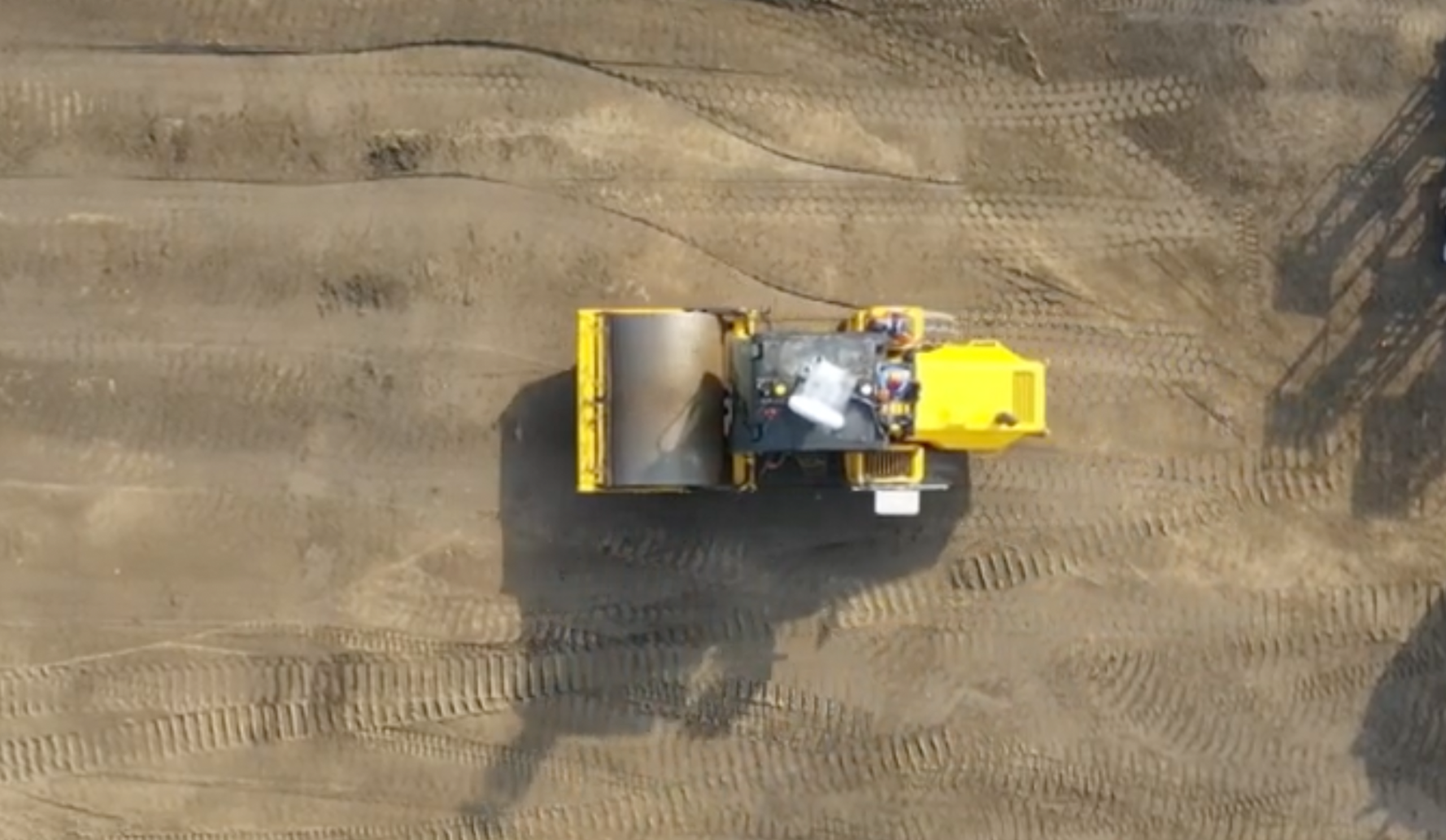
Plate Compactor, Rammer, or Roller? Choosing Equipment for the Material The dirt picks the machine, not the other way around, and the wrong one will happily vibrate all day and accomplish nothing
Disclosure. We rent all four kinds of compactor and we sell Sakai rollers, so we make money no matter which one you pick. That is the best reason to trust us on this one. We have no favorite.
Short answer: Use a vibratory plate compactor for granular material like sand, gravel, base rock and decomposed granite. Use a rammer, also called a jumping jack, for clay, silt and narrow trenches. Use a walk-behind roller or riding roller when the area is big enough that a plate would take all week.
Compaction is the part of the job nobody sees until the patio sinks.
Most plate compactor rental mistakes are not about the machine being too small. They are about the wrong machine on the wrong material, in lifts that are too thick, with dirt that is too dry. Get those three right and a modest compactor does good work. Get them wrong and the biggest roller on the lot just makes a smooth crust over soft fill.
Jump to what you came for
The Four Types of Compaction Equipment
Every compactor on a rental lot does one of two things. It vibrates the material so the particles settle into each other, or it pounds the material so the air and water get squeezed out. Which one works depends on what you are standing on.
Forward plate compactor
Reversible plate compactor
Rammer, or jumping jack
Walk-behind and riding rollers

Granular vs Cohesive: Know Your Dirt
Pick up a handful. It will tell you which machine to rent.
Granular material
Sand, gravel, crushed base, decomposed granite. The particles do not stick to each other. Squeeze a damp handful and it falls apart when you open your hand. Vibration is what works here. Shake it and the grains slide into the gaps. A plate compactor or a smooth drum roller is the right tool.
Cohesive material
Clay and silt. The particles are tiny and stick together. Squeeze a damp handful and it holds a shape, maybe leaves your palm muddy. Vibration does very little to it. It needs impact or kneading to push the air out. That means a rammer in tight spots and a padfoot roller in open areas.
Mixed fill
Most backyard fill in Southern California is neither. It is native dirt with some sand, some clay, a few rocks. When in doubt, a rammer or a heavy reversible plate covers more of the range than a light forward plate. If it matters structurally, find out what it is before you compact it.
The classic mistake: someone rents a forward plate for clay backfill because it is cheaper and lighter. The plate bounces across the top, makes it look flat, and the soil underneath stays loose. Six months later the walkway settles along the trench line.
Material by Machine
This is the table we would draw on the counter if you asked. It is a general guide. Your soils report or your inspector outranks it.
| Material | Forward plate | Reversible plate | Rammer | Roller |
|---|---|---|---|---|
| Sand and gravel | Good | Good | Works, slow | Smooth drum, large areas |
| Crushed base under pavers or slabs | Good in thin lifts | Better on thick lifts | Edges only | Smooth drum, driveways and pads |
| Decomposed granite paths | Good | Good | Leaves a pocked surface | Walk-behind for a finish |
| Clay and silt | Rides on top | Fair | Good | Padfoot drum |
| Trench backfill | Wide trenches only | Fair | Best fit | Trench roller, if wide enough |
| Asphalt patching | Small patches | Fair | No | Smooth drum with water |
If you are setting pavers or building a decomposed granite driveway, the plate is usually the answer. If you are backfilling a sewer lateral or an irrigation main, it usually is not.
Lifts, Moisture and Passes
The machine is maybe a third of the result. The rest is how you lay the material and how wet it is.
Lift thickness
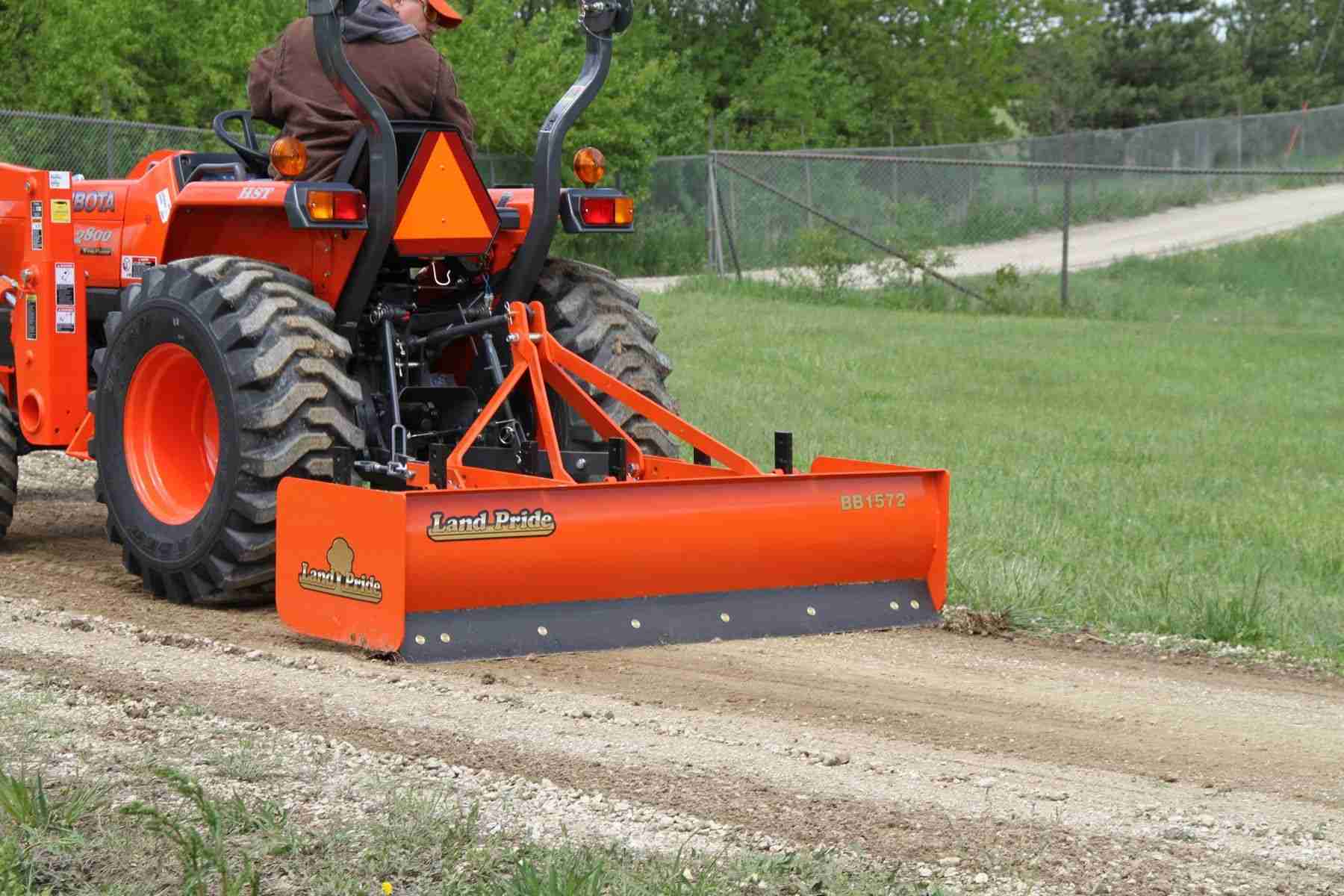
A compactor only reaches so deep. Dump two feet of fill in a hole and run a plate over it, and you have compacted the top few inches of a two foot pile. Spread the material in layers, called lifts, and compact each one before the next goes in. Light plates want thin lifts. Rammers, reversible plates and rollers handle thicker ones. The exact number depends on the machine and the material, so check the manufacturer's rated depth and the job spec. If nobody gave you a spec, thinner is the safe side.
Moisture: too dry and too wet both fail
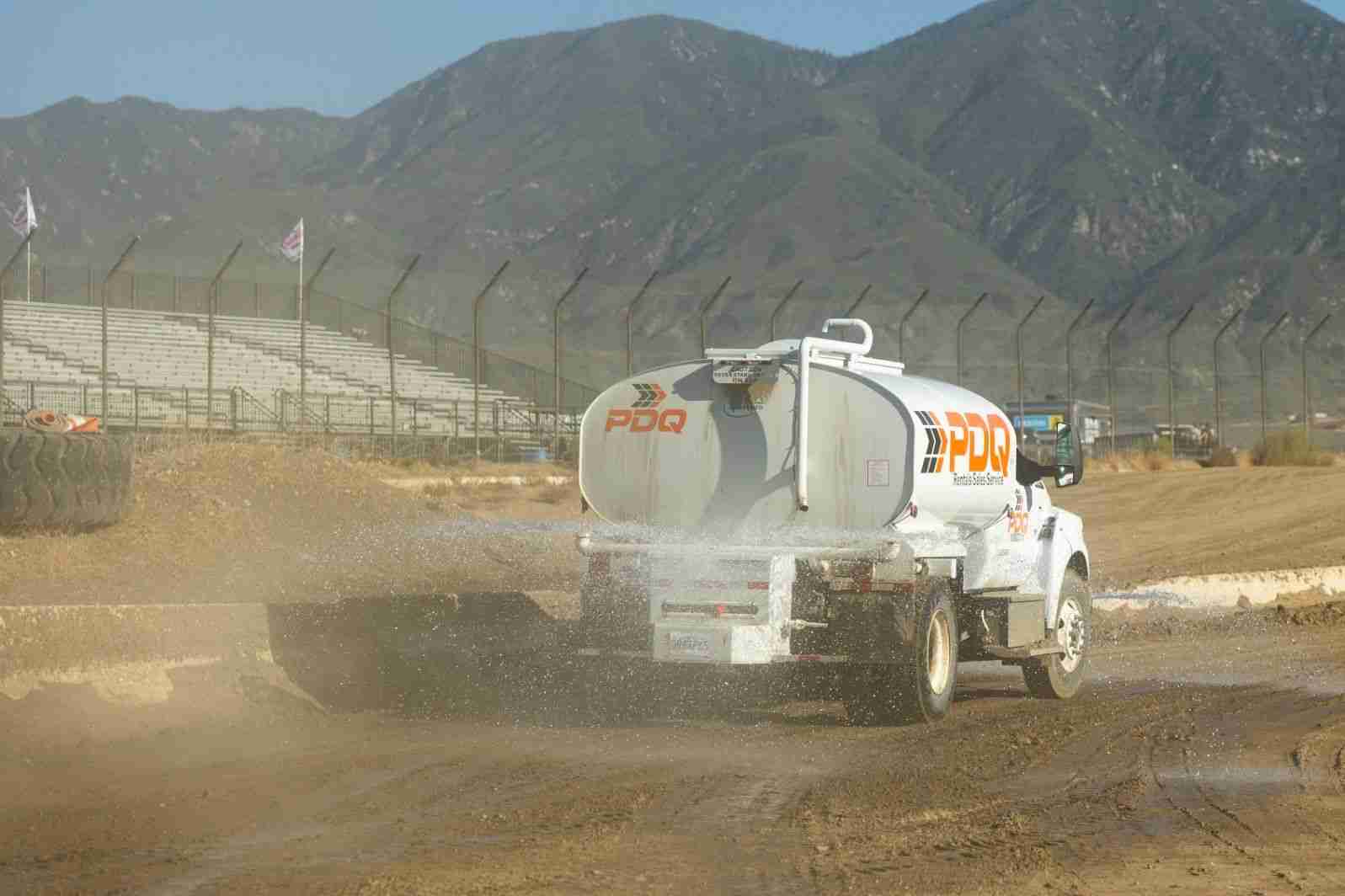
Every soil has a moisture content where it packs tightest. Below it, particles grind against each other and will not settle. That is most Southern California dirt in August. Above it, water fills the gaps and the soil pumps, squishes and rebounds under the machine. A rough field check for fine soils: squeeze a handful. It should hold together and break apart in chunks, not crumble to dust and not smear like putty. Have a hose or a water truck on site, and add water before you compact, not after.
Passes and overlap
Overlap each pass a few inches and cover the whole lift in one direction, then cross it. Several passes are normal. When the machine starts bouncing and the surface stops changing, more passes are not doing much. If it still feels soft after many passes, the problem is moisture or lift thickness, not stamina.
Trench or Open Area
Narrow trenches
A rammer fits where a plate cannot. In a trench for a water line, a gas line or a drain, it is usually the right call, laid in lifts above the bedding. Bedding around pipe gets placed and compacted carefully by hand or light equipment so nothing crushes or shifts the pipe. If you are planning that kind of job, our guide to trenching equipment, from trench to backfill walks the whole sequence. Anyone entering a trench 5 feet or deeper needs a protective system and the job may need a Cal/OSHA permit, so check Cal/OSHA requirements for your job before anyone climbs in to compact.
Open pads and driveways
Once the area gets past a patio, a plate gets slow and tiring. A walk-behind roller covers ground faster, and a riding roller is the tool for building pads and parking areas. If you are prepping a pad for a backyard unit, our guide to ADU construction equipment covers the rest of the machine list.
Drainage and pool backfill
Drain trenches and the ground around a pool shell settle badly when backfill is dumped and left. See our guides on backyard drainage equipment and pool excavation equipment for how compaction fits into those jobs.
Southern California Ground Makes Its Own Rules
Expansive clay
Much of LA County, Riverside County and San Diego County has expansive clay that swells when wet and shrinks when dry. Compacting it is not just about getting it dense. Engineers often set specific moisture requirements for it, and sometimes they call for removing it and bringing in better fill. If you have a soils report, follow it. If you are pouring a slab on clay and do not have one, that is worth a phone call to an engineer before you rent anything.
Caliche, rock and decomposed granite
Parts of the Inland Empire and north San Diego County are rocky, with caliche layers and decomposed granite. DG compacts well with a plate when it is damp. Rock is a different problem. Big rocks in a lift keep the compactor from seating the material around them. Pull them out or screen the fill first.
Heat and dust
Summer heat in Riverside County and inland LA County dries a lift out between the time you spread it and the time you compact it. Work in smaller sections, keep water close, and start early.
Renting It, Testing It, or Hiring It Out
Who sets the compaction spec
For structural work, the engineer of record or the soils engineer sets the spec, often a percent of maximum density, and the inspector checks it. Compaction testing is usually done with a field gauge or a sand cone test by a testing lab. A rental machine cannot tell you whether you passed. Neither can we. If the work is getting inspected, find out the requirement before you start, because failing a test means digging it back out.
What PDQ's posted policies say
PDQ's posted rental policies say minimum rental periods vary by item, from 2, 3 or 4 hours up to 1 or 2 days, and a day rate covers 24 hours in your possession with up to 8 hours of use. If rain stops you from using the equipment, the policies say PDQ must be notified the morning of that day so it can decide whether a credit can be extended. The signed rental contract is what governs. For anything else, like delivery fees or swapping a plate for a rammer midweek, ask and check our rental policies. For the math on longer jobs, see daily vs weekly vs monthly rental rates.
When to hire it out
If the job is a building pad, a slab on expansive clay, or anything under a structure that will be inspected, hiring a grading contractor who compacts every day is often cheaper than doing it twice yourself. A plate compactor for a paver patio is a fine weekend project. A pad for a house is not.
Plan the dirt, not just the compactor
Compaction is the end of a chain that starts with digging and hauling. If you have extra spoil, our guide on dirt removal and spoil haul-off covers where it goes.
The Short Version
Match the machine to the material
Plate for sand, gravel, base and DG. Rammer for clay, silt and trenches. Roller when the area is big.
Thin lifts beat big machines
No compactor reaches the bottom of a thick pile. Lay it in layers and compact each one.
Water is half the job
Too dry will not pack and too wet will pump. Get the moisture right before you start the engine.
Inspected work needs a spec
If an inspector will test it, find out the requirement first or hire someone who hits it daily.
Seven Questions to Answer Before You Rent
- Is my material granular, cohesive, or a mix, and did I actually squeeze a handful?
- Is there a soils report or a compaction spec, and who is testing it?
- How deep is the fill, and how many lifts will that take?
- Do I have water on site, and enough of it for the whole area?
- Is the space a narrow trench, an edge against a wall, or an open pad?
- Can I load and unload this machine, or do I need delivery?
- Would a contractor who does this every day be cheaper than doing it twice?
Straight Answers
Plate compactor vs jumping jack: which one do I need?
Use a plate compactor for granular material like sand, gravel, base rock and decomposed granite. Use a jumping jack, also called a rammer, for clay, silt and narrow trench backfill, where vibration alone will not push the air out.
Can a plate compactor compact clay?
Not well. A forward plate tends to ride on top of clay and leave the soil below loose. A rammer or a padfoot roller works much better on cohesive soil, and a heavy reversible plate is a fair compromise on mixed fill.
How thick should each lift be when compacting fill?
It depends on the machine and the material. Light plates need thin lifts, while rammers, reversible plates and rollers can handle thicker ones. Check the manufacturer's rated depth and the job spec, and go thinner when in doubt.
Should I wet the soil before compacting?
Usually yes in dry Southern California conditions. Soil compacts best near its optimum moisture. If a squeezed handful crumbles to dust it is too dry, and if it smears or the ground pumps under the machine it is too wet.
When do I need a roller instead of a plate compactor?
When the area is large, like a driveway, a building pad or a parking area, a walk-behind or riding roller covers ground much faster than a plate. Smooth drums suit granular base and asphalt, and padfoot drums suit clay.
How do I know if my soil is compacted enough?
For inspected or structural work, a testing lab checks density in the field against the spec set by the engineer. For small projects, the surface should stop changing under the machine and should not rut or pump, but that is not a substitute for a test.
Fine, It Was a Rental Pitch
You just read a few thousand words from a company that rents compactors about why you need the right compactor. We noticed too.
Tell us what the material is, how big the area is and whether anyone is testing it. We will point you at the plate, the rammer or the roller, and if the honest answer is a soils engineer or a grading contractor, we will say that instead.
Since 1952 we have rented a lot of plate compactors to people with clay. We try to talk them out of it now.