

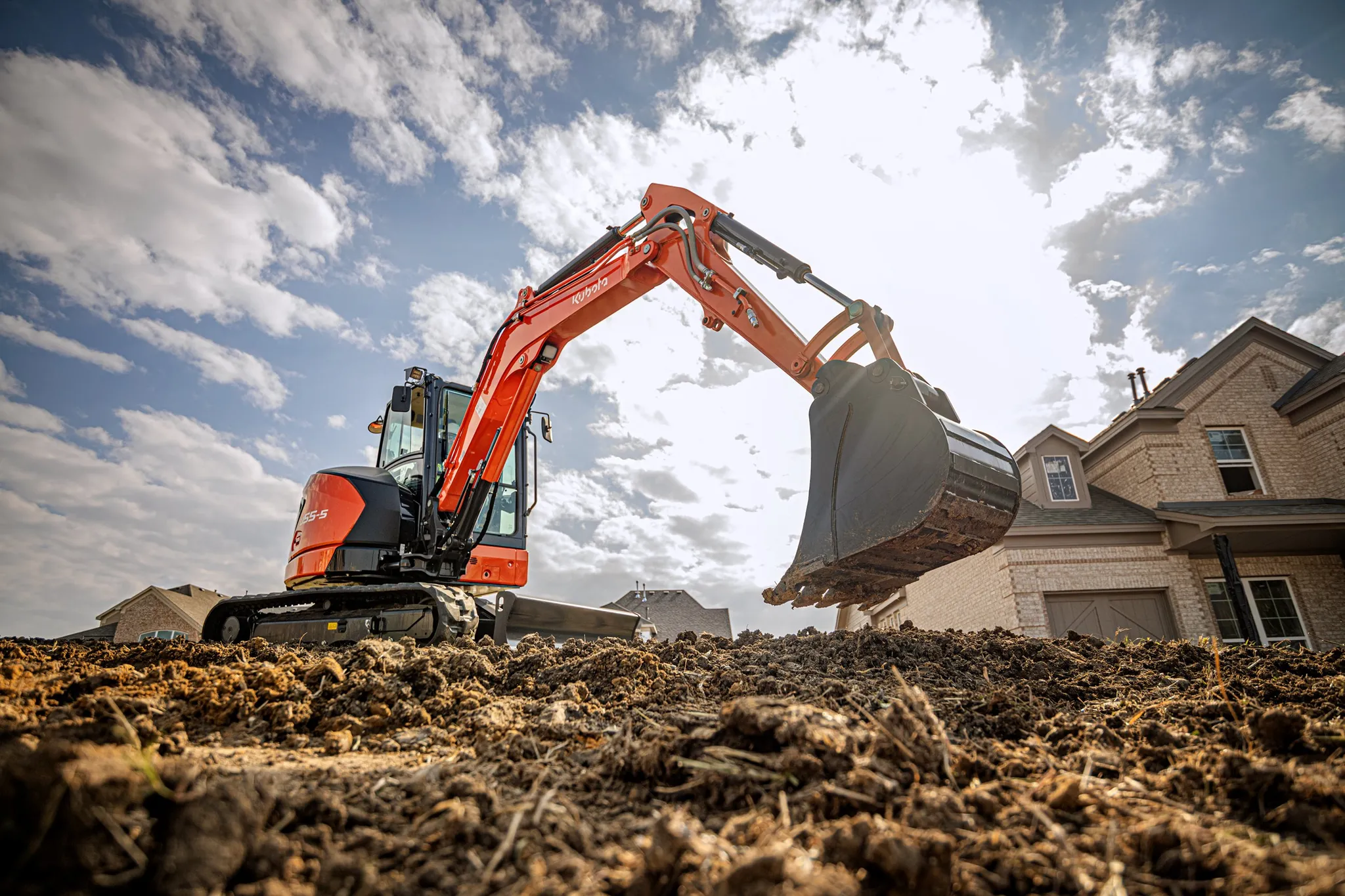
California's New Housing Laws: Planning Equipment for Your Next ADU Build Two detached units on one lot means roughly twice the dirt, through the same narrow side yard
Disclosure. We rent and sell the excavators, loaders and compactors this page talks about, so we have a reason to make ADU construction sound like it needs a lot of machines. It needs fewer than you think, and some of them are a shovel.
Short answer: Plan ADU equipment by phase, not by machine. Most backyard ADU builds need a small excavator or micro excavator for foundation excavation and trenching, a compact loader for spoils, compaction tools for the pad and trenches, and a dump truck and water truck for hauling and dust. Measure your narrowest access point first, because it decides every machine on the list.
The law changed. The width of the side yard did not.
Two bills signed in late September 2026 widen what cities have to approve and cut what they can charge. More lots with two detached units means more trenching and more dirt leaving through a gate built for a lawn mower. We cover the law briefly, then the part we actually know: machines, sequence, and rent versus own. This is not legal advice. Check your city's planning department.
Jump to what you came for
What Changed for ADUs in California in 2027
We are a dealer, not a law firm. Here is the short version.
AB 956: two detached ADUs
AB 956, by Assemblymember Quirk-Silva, was signed by Governor Newsom on September 29, 2026 and takes effect January 1, 2027. It requires cities to ministerially approve up to two detached new-construction ADUs on a lot with a single-family home. Today the baseline is one detached ADU plus a junior ADU. If a lot gets two detached ADUs, the city no longer has to also approve a JADU. The bill also strengthens limits on HOA rules and covenants that block compliant ADUs, changing the test to lots "zoned to allow single-family residential use".
SB 1117: impact fees above 750 square feet
SB 1117, by Senator Sabrina Cervantes of Riverside, was signed the same day. ADUs of 750 square feet or less were already exempt from most local impact fees. Under SB 1117, for the first two ADUs on a property, cities can charge impact fees only on the square footage above 750, not on the whole unit. Like most bills signed this session, it is expected to take effect January 1, 2027.
What did not change
Whether the lot can take two units is still a tape measure question.
Getting Through the Backyard Gate
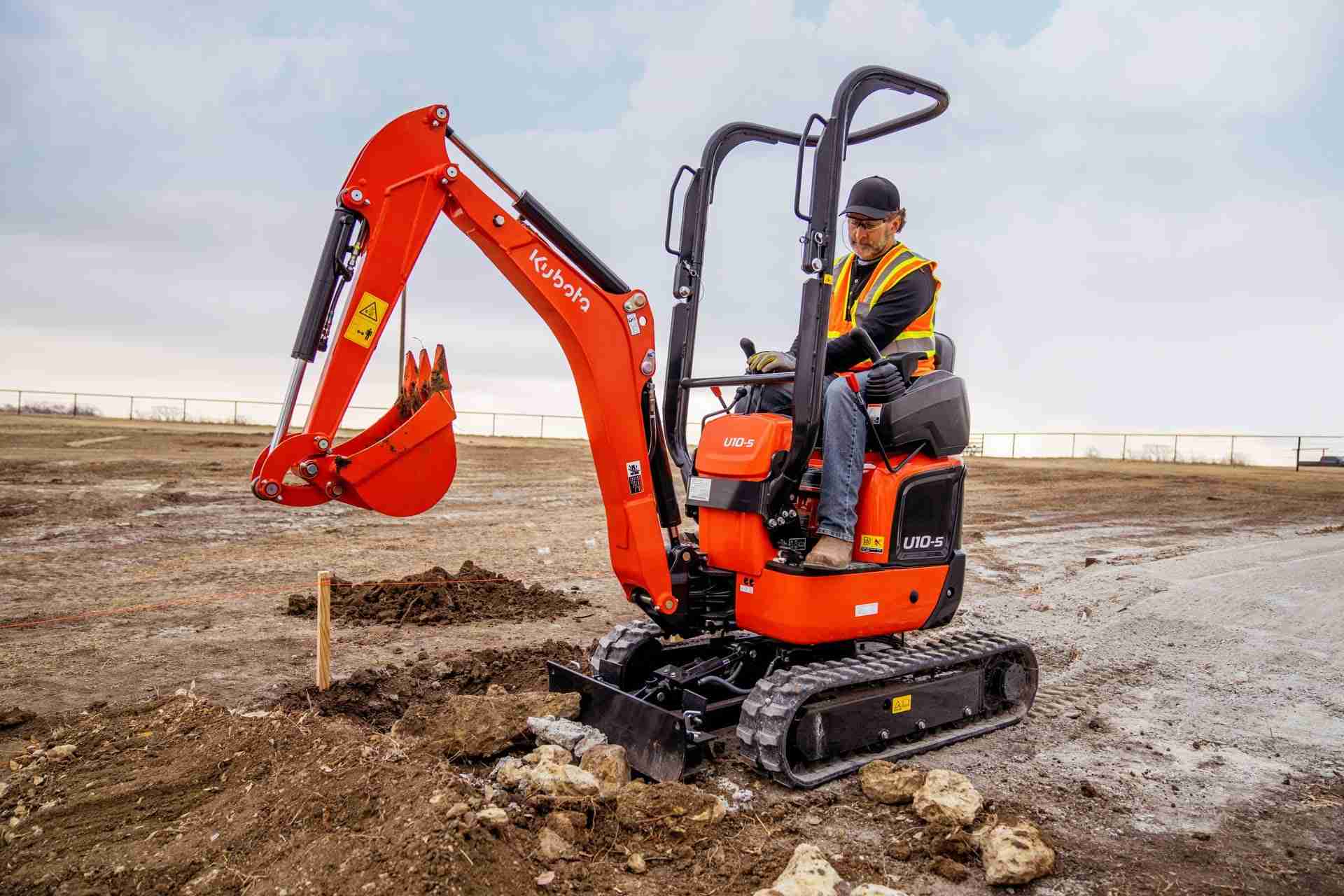
Most ADU sites are behind a house. The machine gets there through a side yard or a gate. Walk the path and measure before you pick anything.
Find the narrowest point
Not the gate. The narrowest point, usually an AC condenser, gas meter, downspout or eave. Measure width and height, and note slope and steps. Every machine decision depends on it.
Machines that fit tight access
Site Clearing, Demo and Protecting the Existing House
The house is still there, and someone still lives in it.
Clearing is where the damage usually happens, because everyone is moving fast.
Clearing and demo
Old sheds, slabs, stumps and backyard junk all go. A compact loader with a grapple or bucket handles most of it. A breaker on a mini excavator handles old concrete. For brush and stumps on larger Inland Empire and San Diego County lots, a track loader with a root grapple earns its day rate fast.
Protect the house, driveway and landscaping
Pad Grading, Compaction and ADU Foundation Work
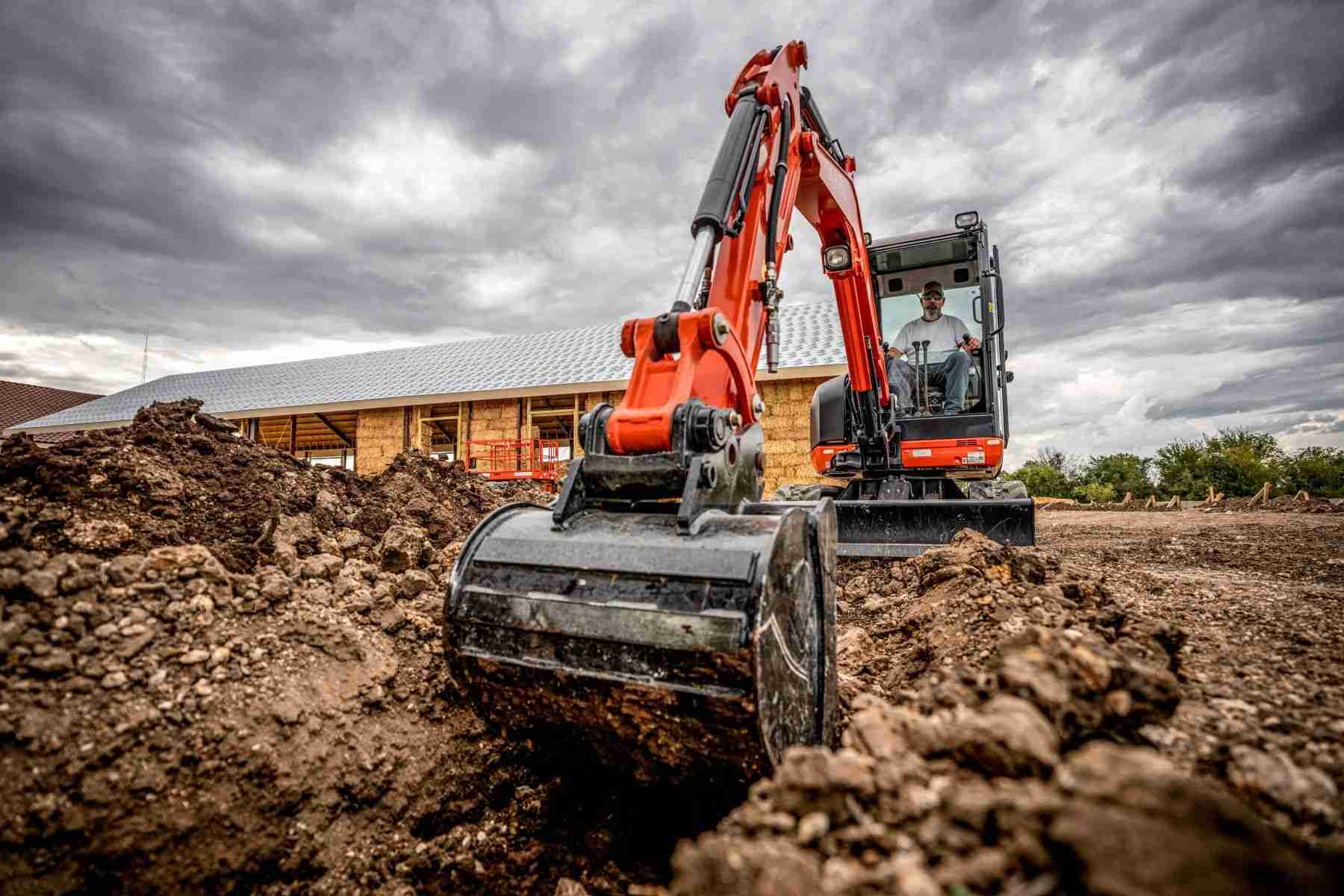
Ask how to build an ADU and people talk about framing. The ADU foundation is where schedules slip, because the soil gets a vote.
Grading the pad
The pad has to be graded to the plans, with drainage away from both the new unit and the existing house. A compact track loader with a bucket or grading attachment does this well. On tight lots a micro excavator and hand tools do it slowly. Our compact track loader guide covers the size classes.
Compaction is not optional
Uncompacted fill settles and cracks slabs. The engineer or inspector sets the requirement. You bring the right tool.
Foundation excavation and footings
ADU excavation for footings has to hit the depth and width on the plans, with clean bottoms. A mini excavator with a narrow trenching bucket is the usual tool. Two detached units means two sets of footings, so think about whether one longer rental beats two short ones.
Trenching for Utilities and Augering Piers
Every ADU needs water, power, sewer and maybe gas. Two units means two runs, or one shared run planned around both.
Sewer lateral
Sewer is the trench that bites people. It has to slope correctly to the existing lateral or the main, and the depth depends on that slope and your city's code. Shoot grades before you dig. A mini excavator with a narrow bucket is the standard tool.
Water, gas and electrical
These runs are shallower but still need code depth and separation. A walk-behind trencher works on open ground, a micro excavator where it cannot turn, and hand digging near the meters.
Augers for piers
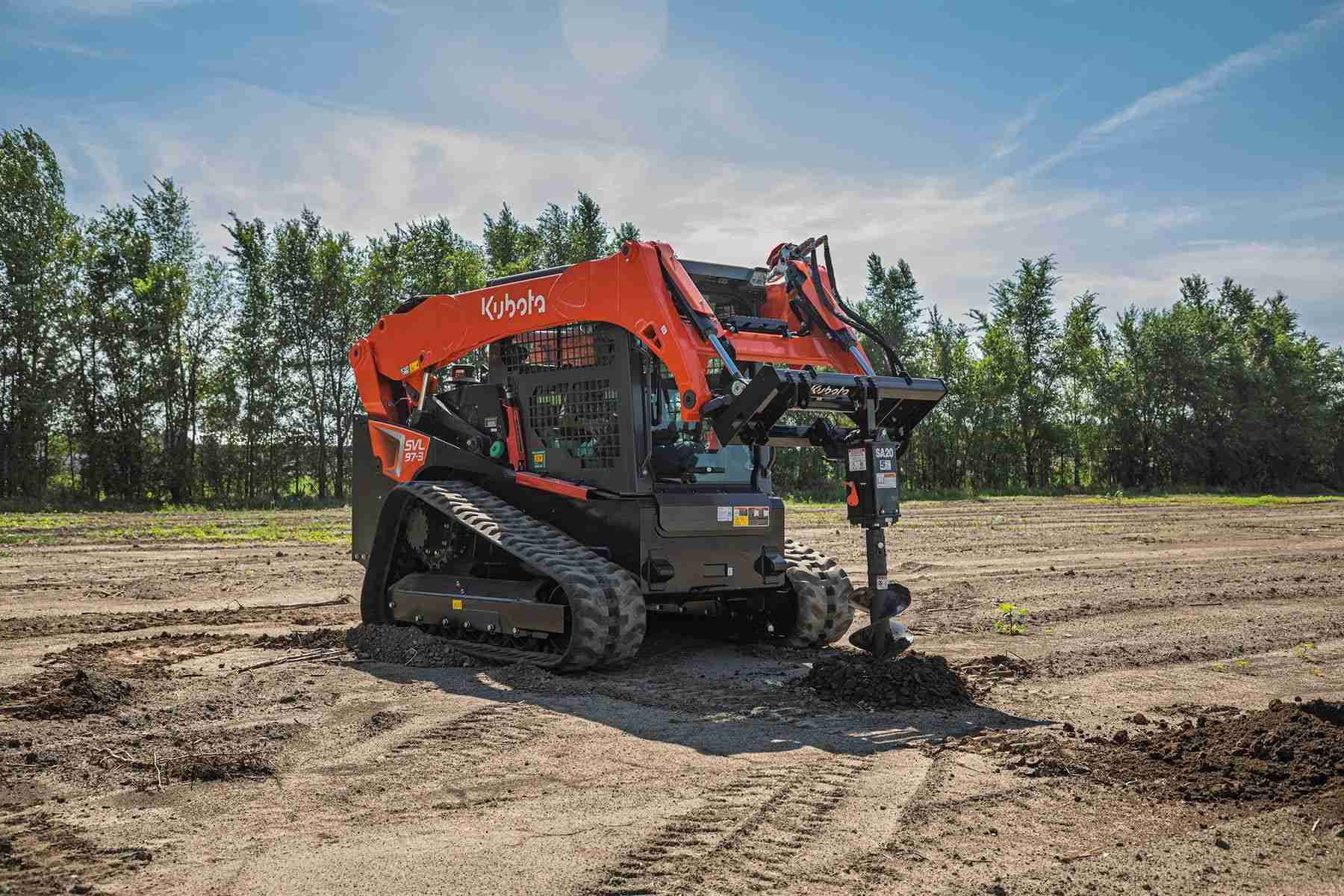
Hillside lots, soft soil and some foundation designs call for drilled piers. An auger on a skid steer or track loader drills them fast and clean. Our skid steer auger guide covers bit sizes and what the loader can turn.
Spoil Removal and Dust Control
Every hole makes a pile, and it leaves through the same side yard the machine came in.
Loader plus dump truck
The usual setup is a skid steer or track loader shuttling spoils to a dump truck at the curb. On tight access, a mini track loader does the shuttle and the trips add up. Count the cubic yards from your footing and trench plans, add swell, and you have a rough number of truck loads.
Water truck for dust
Southern California dirt turns to dust the moment you move it, especially in the heat of an Inland Empire summer. Neighbors notice. A water truck keeps the street cleaner and helps you hit moisture for compaction. Dump trucks, water trucks and compactors are among our most rented items for exactly this kind of work.
Getting the machines there
If you are hauling your own excavator, check the trailer and tow vehicle ratings first. Our mini excavator trailer and towing guide covers machine weights and California towing rules.
ADU Construction Equipment by Phase
A typical ADU construction sequence. Your plans, soil and access will change it.
| Phase | Task | Typical machine | Rent or own |
|---|---|---|---|
| Clearing | Remove sheds, slabs, brush, stumps | Compact loader with grapple, mini excavator with breaker | Rent unless you clear often |
| Grading | Cut and fill the pad, set drainage | Compact track loader or micro excavator | Own if you do several ADUs a year |
| Compaction | Compact pad, base and backfill | Plate compactor, rammer, small roller | Rent the roller, consider owning a plate |
| Foundation | Excavate footings, drill piers | Mini excavator, loader with auger | Own the excavator if it stays busy |
| Utilities | Trench sewer, water, gas, electrical | Mini or micro excavator, walk-behind trencher | Rent the trencher |
| Hauling | Remove spoils, bring in base | Loader plus dump truck | Rent the truck |
| Dust | Keep dust down, add moisture | Water truck | Rent |
Two detached ADUs roughly doubles the clearing, footing, trenching and hauling lines. It does not double the mobilization, which is one reason to plan the work as one job instead of two.
Rent or Own If You Build Several ADUs a Year
An owner-builder doing one ADU should rent. Buying for one project and reselling is a bet on the used market, and you will lose some of it.
When owning starts to make sense
A contractor doing several ADUs a year in LA County, Riverside County or San Diego County is a different story. If a machine is on rent most weeks, that bill looks like a loan payment you never pay off. Our skid steer rent or own break-even math lays out how to run that number. The same logic works for excavators.
Read the rental bill carefully
The daily rate is not the whole cost. Delivery, fuel, cleaning and damage coverage all show up. Our guide to rental quote fees shows what to ask about, and our daily, weekly and monthly rental rate guide explains when a longer period is cheaper than a stack of short ones. For our own terms, check the rental policies page or ask.
Buying used, financing and taxes
An ex-rental machine can suit a small ADU crew, or be a tired one. Our guide to buying ex-rental equipment covers what to inspect. If you buy new, read up on Kubota financing and talk to your accountant about the Section 179 deduction. And sometimes the right answer is an auction machine and a good mechanic. We will say that out loud.
The Short Version
Measure the narrowest point
Width and height of the tightest spot between the street and the build site decide every machine on the list.
Plan two units as one job
Two detached ADUs doubles the dirt but not the mobilization. Sequence them together.
Compaction and spoils eat time
Bring the right compactor for each lift, and count truck loads before you book a dump truck.
Rent until the bill says otherwise
One ADU, rent. Several a year, run the break-even and consider owning the excavator or loader.
Seven Questions to Answer Before You Book Machines
- What is the narrowest width and height between the street and the build site?
- Has my city updated its ADU ordinance and forms for 2027, or is plan check still catching up?
- Do both detached units physically fit with setbacks, fire separation and legal access?
- How many cubic yards of spoils will the footings and trenches produce, and where will the truck park?
- What compaction does the engineer or inspector require, and on which lifts?
- Where are the existing sewer lateral, water line, gas line and electrical panel, and what private lines are not marked by 811?
- Will I keep a machine busy enough after this job to justify owning it?
Straight Answers
What equipment do I need for ADU construction?
Most backyard ADU builds use a mini or micro excavator for footings and trenches, a compact loader for clearing and spoils, a plate compactor and rammer for the pad and backfill, and a dump truck and water truck for hauling and dust control. Access width decides the machine sizes.
Can I build two detached ADUs in California?
AB 956 takes effect January 1, 2027 and requires cities to ministerially approve up to two detached new-construction ADUs on a lot with a single-family home. The units still have to meet height, setback, fire separation and access rules. This is not legal advice, so check your city's planning department.
What size excavator fits through a backyard gate?
Micro excavators with retractable tracks fit through many residential gates. Measure the narrowest point on the path, not just the gate, and compare it to the machine's spec sheet width with tracks retracted.
How deep is an ADU foundation?
Footing depth and width come from the engineered plans, the soil report and your city's code. It varies by site, so dig to the plans and have the inspector sign off before you pour.
Should I rent or buy equipment for ADU construction?
An owner-builder doing one ADU should rent. A contractor doing several ADUs a year should run the break-even on the excavator or loader, because steady rental bills can cost more than a loan payment on a machine.
Do impact fees apply to ADUs over 750 square feet?
Under SB 1117, expected to take effect January 1, 2027, cities can charge impact fees on the first two ADUs on a property only on the square footage above 750, not on the whole unit. Units of 750 square feet or less were already exempt from most local impact fees.
Yes, We Want to Rent You the Excavator
You just read an equipment dealer explaining how much equipment an ADU needs. Not a coincidence.
Call with your gate width, your lot and your plans. We will tell you which machines fit, which ones you can skip, and when a shovel and a wheelbarrow will do the job better than anything on our lot.
Since 1952 we have rented a lot of excavators that did not fit through the gate. We would rather you measure first.