

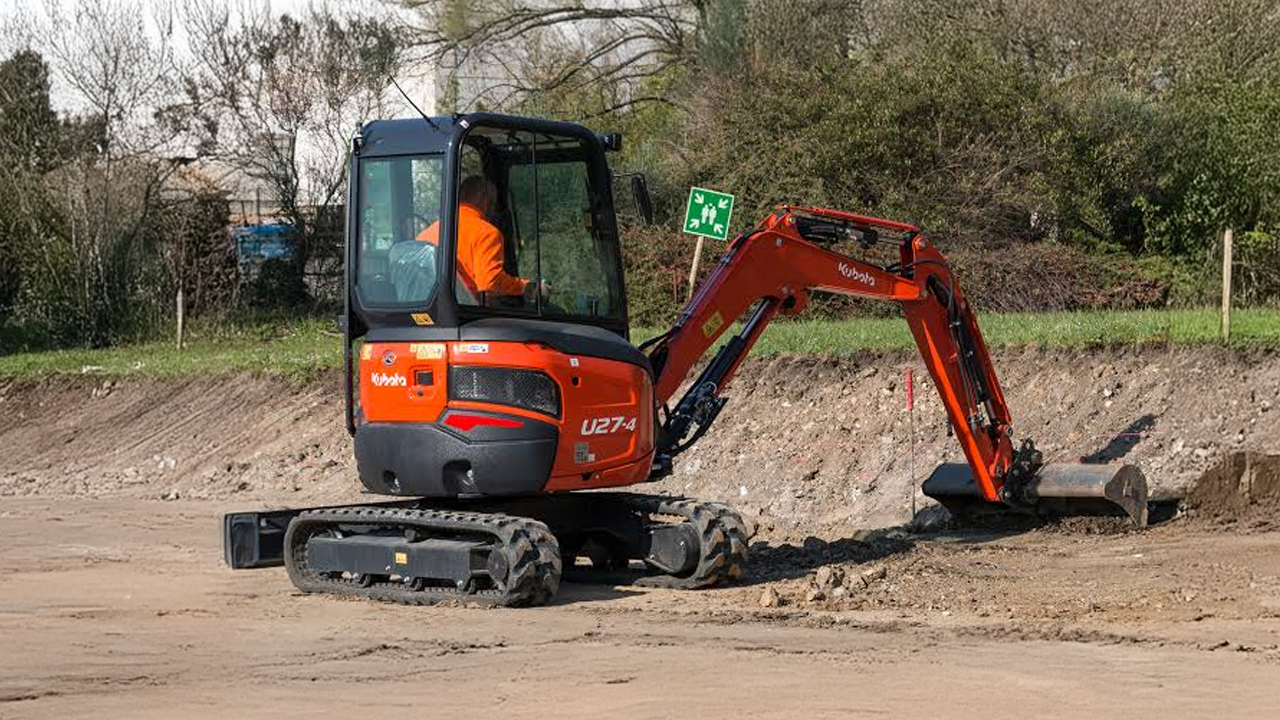
Your Backyard Keeps Flooding: What Equipment Does a Drainage Contractor Need? Find out where the water is coming from first, then pick the fix, then the machines. Most people do it backwards.
Disclosure. We rent mini excavators, trenchers, compactors and dump trucks, and we sell Kubotas. Every drainage fix in this guide involves at least one of those. Some of them involve none, and we will say so when it happens.
Short answer: Most backyard drainage solutions need a small set of equipment: a mini excavator or trencher to dig drain lines, a plate compactor or rammer for backfill, a skid steer or track loader to regrade, and a way to haul off spoil. But the equipment only matters after you know where the water is coming from, because many flooded yards are fixed with gutters, downspout extensions and a few inches of regrading.
Water is not mysterious. It goes downhill, and somebody built your yard so downhill points at your house.
A yard that floods every storm usually has one of a few problems. The grade slopes toward the foundation. The downspouts dump at the corner of the house. The soil is clay that drinks nothing. Or a new patio turned a lawn that used to soak water into a slab that sheds it all in one direction.
Jump to what you came for
Figure Out Where the Water Comes From
The cheapest drainage tool is a rainy afternoon. Go outside during a real storm and watch where water starts, where it stops and where it sits the next morning.
Check the roof first
A roof sheds a lot of water. A big share of backyard flooding is just downspouts dumping at the foundation or clogged gutters overflowing in one spot. Extend the downspouts or pipe them away and see what is left before you dig anything.
Check the grade
Soil next to the house should fall away from it. Run a string line with a line level out from the foundation, or borrow a laser level. If the ground near the wall is lower than the ground ten feet out, you found your problem.
Check the soil
Dig a hole about a foot deep, fill it with water, let it drain, fill it again and time it. If the second fill is still sitting there hours later, you have tight soil. Much of Southern California has expansive clay that swells when wet and barely drains. Parts of Riverside County and San Diego County also have caliche, a cemented layer that water cannot get through. Water sits on top of it no matter how nicely you graded.
The Five Fixes and the Equipment Each One Needs
| Fix | Dig | Main equipment | DIY friendly? |
|---|---|---|---|
| Downspout extensions | None to shallow | Shovel | Yes |
| Regrading | Surface cut and fill | Skid steer or track loader, box blade or land plane, compactor | Small areas, yes |
| French drain | Narrow trench | Trencher or mini excavator, compactor, dump truck | Yes, with care |
| Channel drain | Shallow slot in hardscape | Concrete saw, breaker, small mixer | Sometimes |
| Dry well | Deep hole | Mini excavator, dump truck | Only if soil drains |
| Sump and pump | Pit plus trench | Mini excavator, plus electrical work | Usually hire it |
Regrading: Moving Dirt a Few Inches
A few inches of grade over twenty feet is the difference between water running to the street and water running under your slab.
How much slope you need
A common rule of thumb is that soil should drop several inches over the first ten feet away from the foundation. Your local building department or a civil engineer sets the real number for your lot, especially on hillsides. Check before you shape anything big.
Which machine pushes the dirt
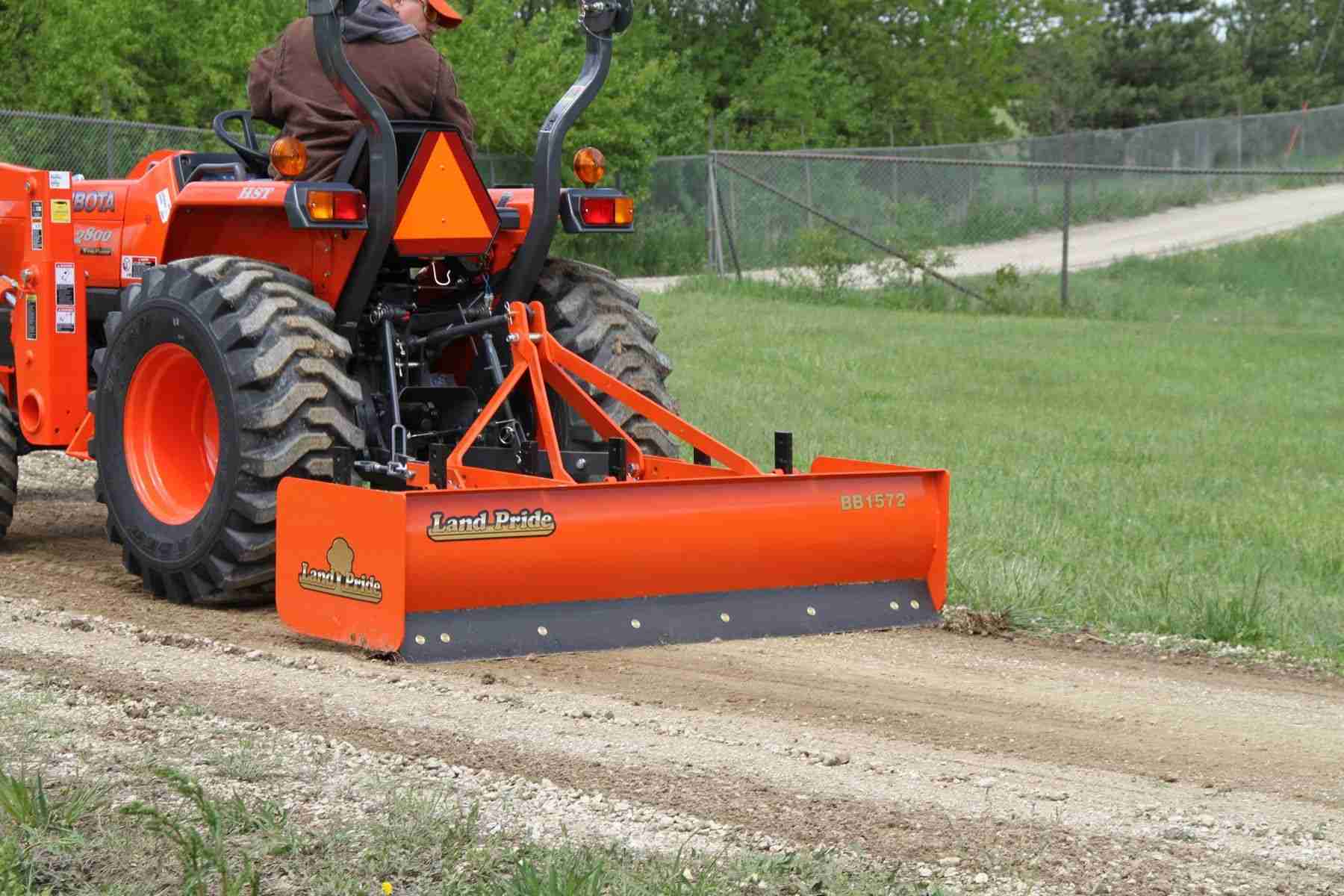
For a small yard, a skid steer or compact track loader does most of the work. Track loaders float better on soft soil and tear up less lawn. Skid steers turn tighter on hard ground and scuff more. Our track loader vs skid steer comparison goes deeper. For final shaping, a box blade or land plane behind a tractor or on the loader leaves a smoother surface than a bucket. See land plane vs box blade if you are choosing.
How you know the grade is right
Contractors check elevations with a laser level and grade rod. Stakes and a string line get you close. Check often.
Do not forget compaction
Fill dirt that is not compacted settles. Settled fill against a foundation creates the exact low spot you were trying to fix. Compact fill in thin lifts with a plate compactor. Our compaction equipment guide covers which compactor fits which soil.
French Drain Installation: Trencher or Mini Excavator?
French drain installation is mostly trench digging. The pipe and gravel are cheap. The trench is the work.
Call 811 first
Call 811 at least two working days before you dig. DigAlert covers Southern California. But the utility only marks public lines. Sprinkler mains, landscape lighting, pool and spa lines and the line to the detached garage are yours to find. Probe and hand dig where you think they run. Irrigation lines are the usual casualty.
When a trencher wins
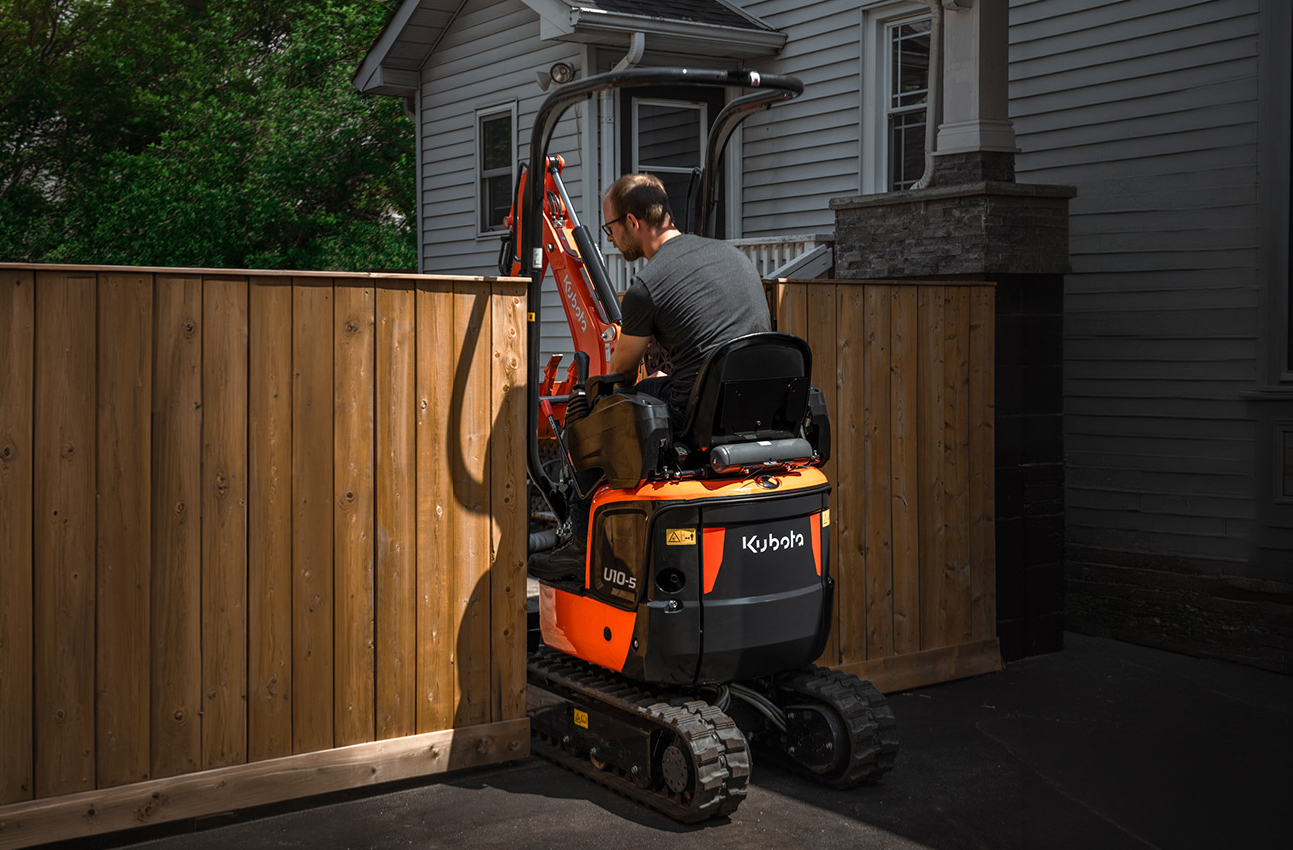
A walk-behind trencher cuts a narrow, uniform trench fast in soft to medium soil. Less spoil, too. It fits through gates a mini excavator cannot. It struggles with rock, big roots and the cemented caliche that shows up across parts of the Inland Empire.
When a mini excavator wins
A mini excavator handles rock, roots, curves and catch basins. It also digs the dry well pit and the sump if the plan calls for them. The trench comes out wider, which means more gravel and more spoil. Size the machine to your gate and your depth. Our mini excavator sizing guide walks through it, and the trenching equipment rental guide compares trenchers and excavators side by side.
Keep the slope
The pipe has to fall the whole way to the outlet. A common rule of thumb for drain pipe is at least about one percent, roughly an inch every eight to ten feet, but check the pipe maker's guidance and your plan. A belly in the line holds water and silt and slowly plugs.
Depth and safety
Most yard drains are shallow. If a design ever pushes you to five feet or deeper with people in the trench, stop. Cal/OSHA has permit and protective system requirements for that work. Check Cal/OSHA requirements for your job, or hand it to a contractor with the training and equipment to do it right.
Backfill, Compaction and the Pile You Forgot About
Every trench makes a pile. Drainage jobs also bring gravel in through the same side gate the spoil goes out.
Spoil adds up
Dirt grows when you dig it. A 60 foot trench a foot wide and two feet deep is about 4.4 cubic yards in the ground, and noticeably more once it is loose in a pile. You put back some of it. The rest leaves. Clay soil is a poor backfill around drain gravel anyway, so plan on hauling most of it. Our guide to dirt removal and spoil hauling does the truckload math.
Moving it out
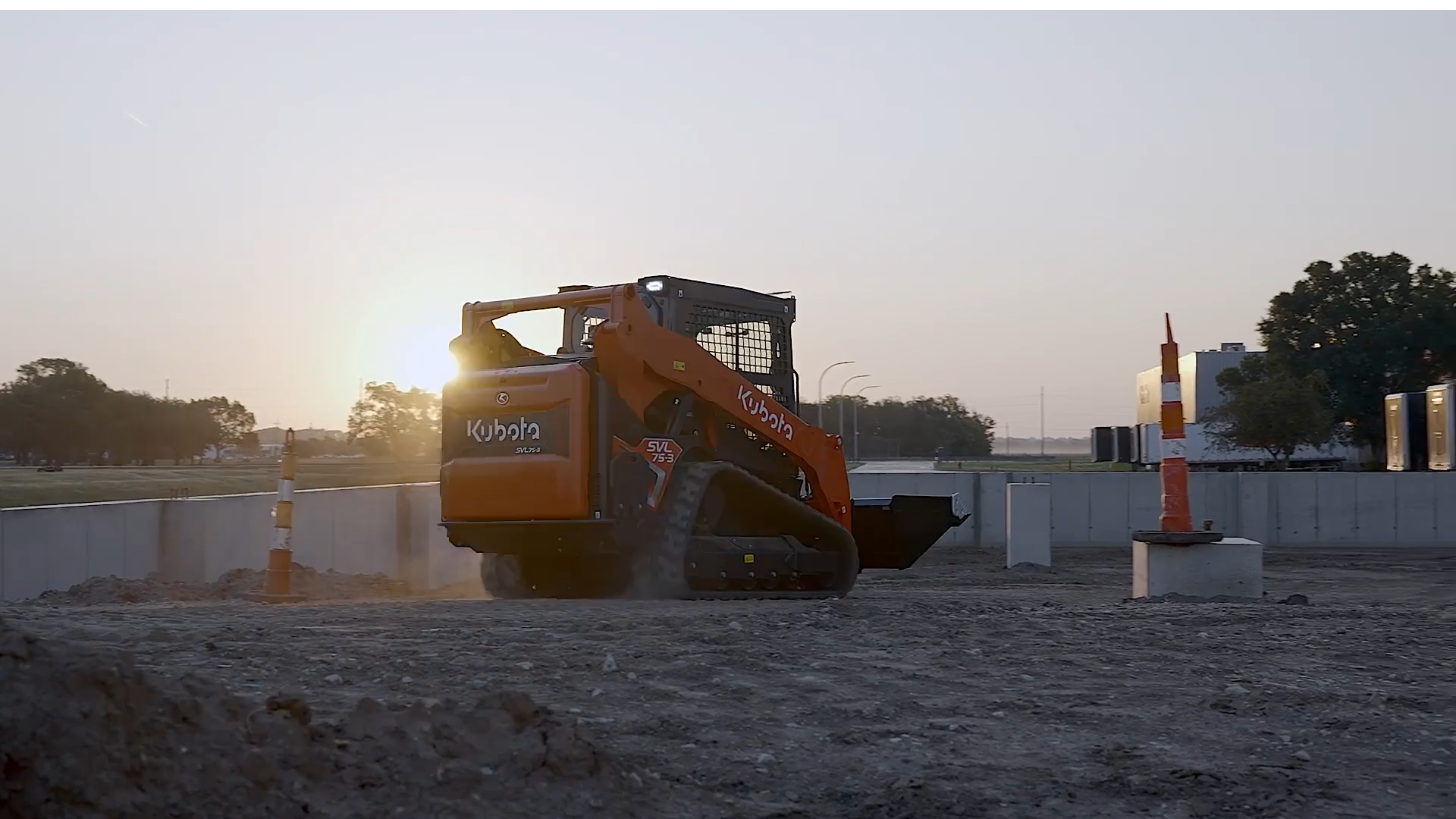
A small track loader or skid steer shuttles spoil from the backyard to the street, and a dump truck takes it away. Whether one machine can dig and load is covered in excavator and loader as a team. Dump trucks are among our most rented items, so reserve early in storm season.
Protect what you drive over
The route from the street to the backyard crosses driveway, pavers and lawn. Tracks scuff, steel tracks crack things and loaded machines sink into wet turf. See protecting driveways and finished surfaces, and our delivery checklist for gate widths and where the truck can park.
Compact in lifts
Anywhere you backfill with soil, not drain rock, compact it in thin lifts. A rammer fits a narrow trench. A plate compactor covers regraded areas. Skip it and the trench becomes a sunken stripe after the first storm.
When to Hire a Drainage Contractor Instead
We rent equipment. We still think a lot of these jobs belong to a yard drainage contractor.
A good drainage contractor brings judgment, not just a machine.
Checking the contractor
In California, look up the contractor's license with the Contractors State License Board before you sign. Confirm the license is active, the classification fits the work and they carry the insurance they say they do. Ask who calls 811 and who handles haul-off.
Do It Before the Rain, Not During
Everybody discovers their drainage problem during the first big storm, at the same time as everybody on their street.
Dry ground digs better
Wet clay sticks to buckets, smears in trench walls and will not compact. Fall is the window in Southern California, after the summer heat and before the storms. If a wet winter is in the forecast, our El Nino storm prep guide covers what to line up early.
How the rental clock treats rain
PDQ's posted rental policies say that if rain keeps you from using the equipment, you need to notify PDQ the morning of that day so it can decide whether a credit can be extended. The signed rental contract is what governs. For anything else, like delivery windows, ask, and read the rental policies page.
Plan the days honestly
PDQ's posted rental policies define a day rate as 24 hours in your possession with up to 8 hours of use, and a week as 7 consecutive days with up to 40 hours. Again, the signed contract governs. A homeowner digging a first French drain rarely finishes in one day. Two days of digging and a day of gravel and backfill is a more honest plan for a modest yard. You can browse what is available on the PDQ rentals site.
The Short Version
Fix the roof water first
Clean the gutters and extend the downspouts. Then see if you still have a problem before you rent anything.
Regrade before you trench
Getting the surface to slope away from the house solves more yards than any drain does.
Trencher for soft ground, excavator for rock
Match the digging machine to your soil, your gate and anything else the plan needs dug.
Plan the spoil and the backfill
Haul-off and compaction are half the job. Line up the dump truck and the compactor with the digger.
Seven Questions Before You Dig
- Have I watched where the water actually goes during a storm?
- Are the gutters clean and the downspouts piped away from the house?
- Does my soil drain, or is it clay or caliche that holds water?
- Where is the water allowed to go, and does my city have rules about it?
- Did I call 811 and find my own sprinkler, lighting and pool lines?
- Will my digging machine fit through the gate and handle my soil?
- Where does the spoil go, and who is bringing the gravel in?
Straight Answers
What is the best solution for a backyard that floods?
Start with the cheapest fix that matches the cause. Clean gutters and extend downspouts, then regrade so soil slopes away from the house. Add a French drain, channel drain or dry well only if surface fixes are not enough.
What equipment do you need to install a French drain?
A trencher or mini excavator to dig, a way to move spoil such as a skid steer or track loader and a dump truck, and a rammer or plate compactor for any soil backfill. Hand tools and a level handle the pipe and gravel.
Can I install a French drain myself?
Many homeowners do on simple, shallow runs with a clear outlet. Call 811, find your private lines, keep the pipe sloped the whole way and plan the haul-off. Hire a contractor for deep work, hillsides or anything near the foundation.
Is a trencher or mini excavator better for drainage trenches?
A trencher cuts a narrow trench fast in soft to medium soil and makes less spoil. A mini excavator handles rock, roots, curves, catch basins and dry well pits but digs a wider trench.
Do dry wells work in clay soil?
Often poorly. A dry well relies on surrounding soil to absorb water, and tight clay or a caliche layer can leave it full. Do a percolation test before you dig one.
How do I find a good yard drainage contractor?
Check the license with the California Contractors State License Board, confirm insurance and ask how they diagnosed the problem. A good contractor explains where the water comes from before quoting a fix.
Yes, We Want You to Rent a Trencher
You just read a few thousand words from a rental company about why you might need to dig a trench. We know how that looks.
Tell us what the water does, how wide your gate is and what the ground is like. We will tell you what fits and what we would rent, including when the answer is a gutter guy and a shovel.
Since 1952 we have rented a lot of trenchers in October and a lot more in January. October goes better.