


Buying a Former Rental Machine: Smart Move or Expensive Mistake? Hundreds of strangers ran it before you, and that is not automatically a bad thing. Here is how to tell which kind you are looking at.
Disclosure, and it is a double one. We run a rental fleet and we sell machines, including the ones that come out of that fleet. So we are biased twice on this topic. Read accordingly, then check our work.
Short answer: Buying used rental equipment is often a smart move, because rental fleets tend to follow scheduled maintenance, keep records and sell machines young on a rotation schedule. The tradeoff is hard use by many operators, so the price only makes sense if the records are complete and the machine passes a real inspection.
A rental machine has had a hard life and a good doctor. A private machine has usually had an easy life and no doctor at all.
That is the whole argument in one line. Ex rental equipment gets beaten on by people who do not own it, but it also gets oil changes on a schedule by people whose job depends on it not breaking. Whether that adds up to a good buy depends on the specific machine, the paperwork and the price. This guide covers all three.
Jump to what you came for
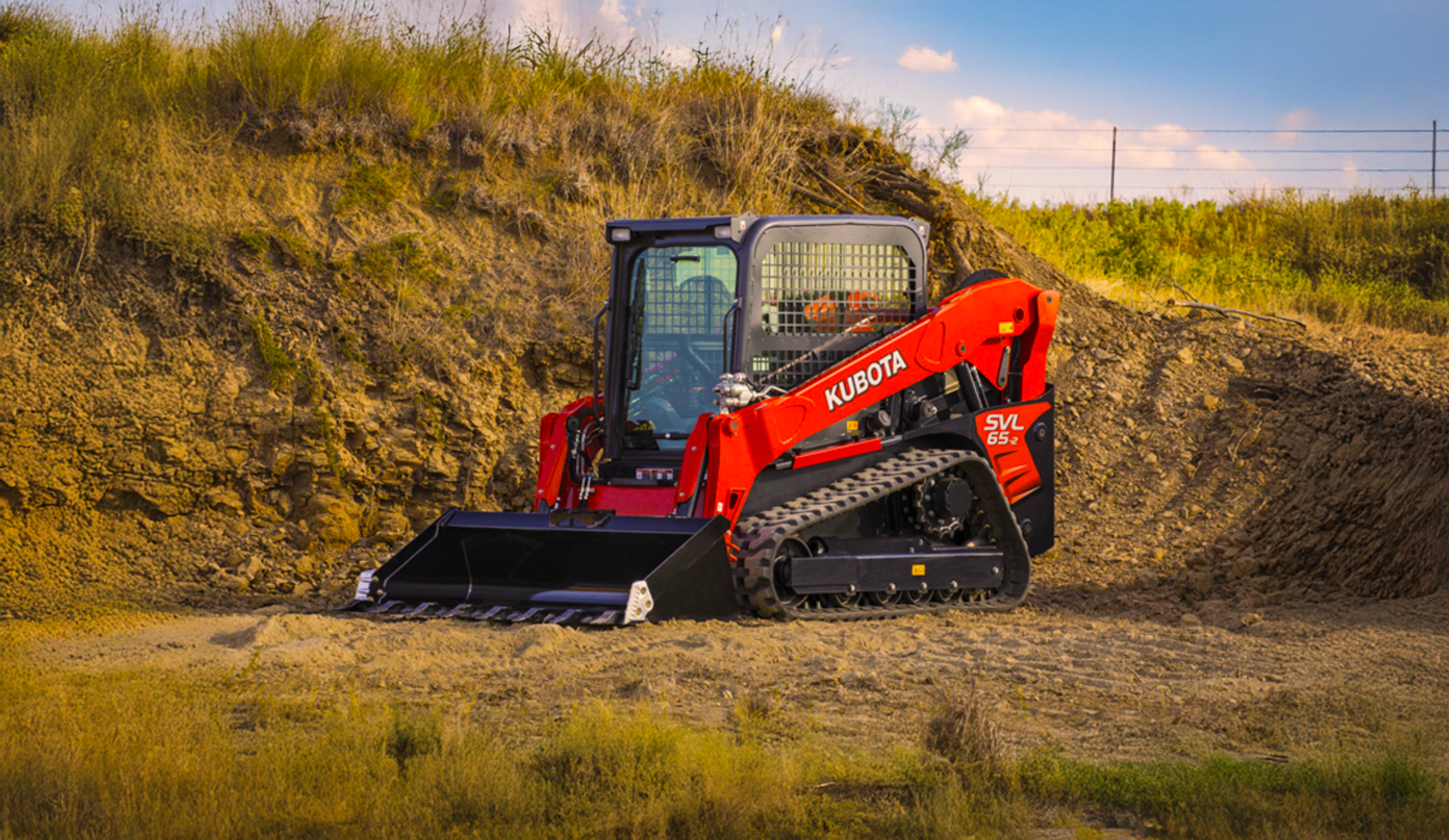
Why Rental Fleet Equipment Can Be a Good Buy
Rental companies do not sell machines because they are broken. Mostly they sell them because the calendar says so. A fleet makes money when machines are out on rent, not when they are in the shop, so most fleets cycle units out before the expensive repairs start.
Maintenance on a schedule
Newer, common, and priced to move
What Rental Life Does to a Machine
Nobody washes a rental car. Nobody babies a rental track loader either.
We say that as people who rent machines out every day. Most customers are careful. Some are not. Over a few years, a rental unit meets all of them.
Many operators, some of them brand new
Wear you can see, and hours that add up

The Paperwork to Ask For
The single biggest advantage of buying used rental equipment is the history. If the seller cannot or will not produce it, you have lost the main reason to buy rental over private party. Ask for these in writing.
Service records
Every oil change, filter change, hydraulic service and repair, with dates and hours. Look for gaps. A machine that went 800 hours without a recorded service is telling you something.
Hours per year
Divide the meter hours by the age. Then ask how the hours were earned. A unit that spent its life on short daily rentals saw more startups, more trailer loading and more new operators than one that went out on long monthly contracts to one crew.
What it rented for
Ask what kind of jobs it went out on. Landscaping and grading are one thing. Demolition, concrete breakout and brush clearing are another. If you are curious how fleets price that work, our guide to daily, weekly and monthly rental rates explains why long rentals tend to be easier on machines.
Damage and repair history
Fleets bill renters for damage, so there is usually a record. Ask what was damaged, what was fixed and who fixed it. A replaced boom cylinder with a work order is fine. A replaced boom cylinder nobody remembers is not.
Rebuilt or replaced components
Engines, pumps, drive motors, final drives, undercarriage. A recent rebuild can be a plus if it was done right. Ask for the paperwork and the parts used.
What to Inspect on an Ex Rental Machine
Start with a full walkaround. Our used construction equipment inspection guide covers the general checklist. Then spend extra time on the places rental use hits hardest.
The business end
Underneath and behind
The cab
Then run it. Cold start, full warm up, every function under load. If you can, set up a working session first. Our guide on demoing equipment before you buy explains how to do that without wasting anyone's day.
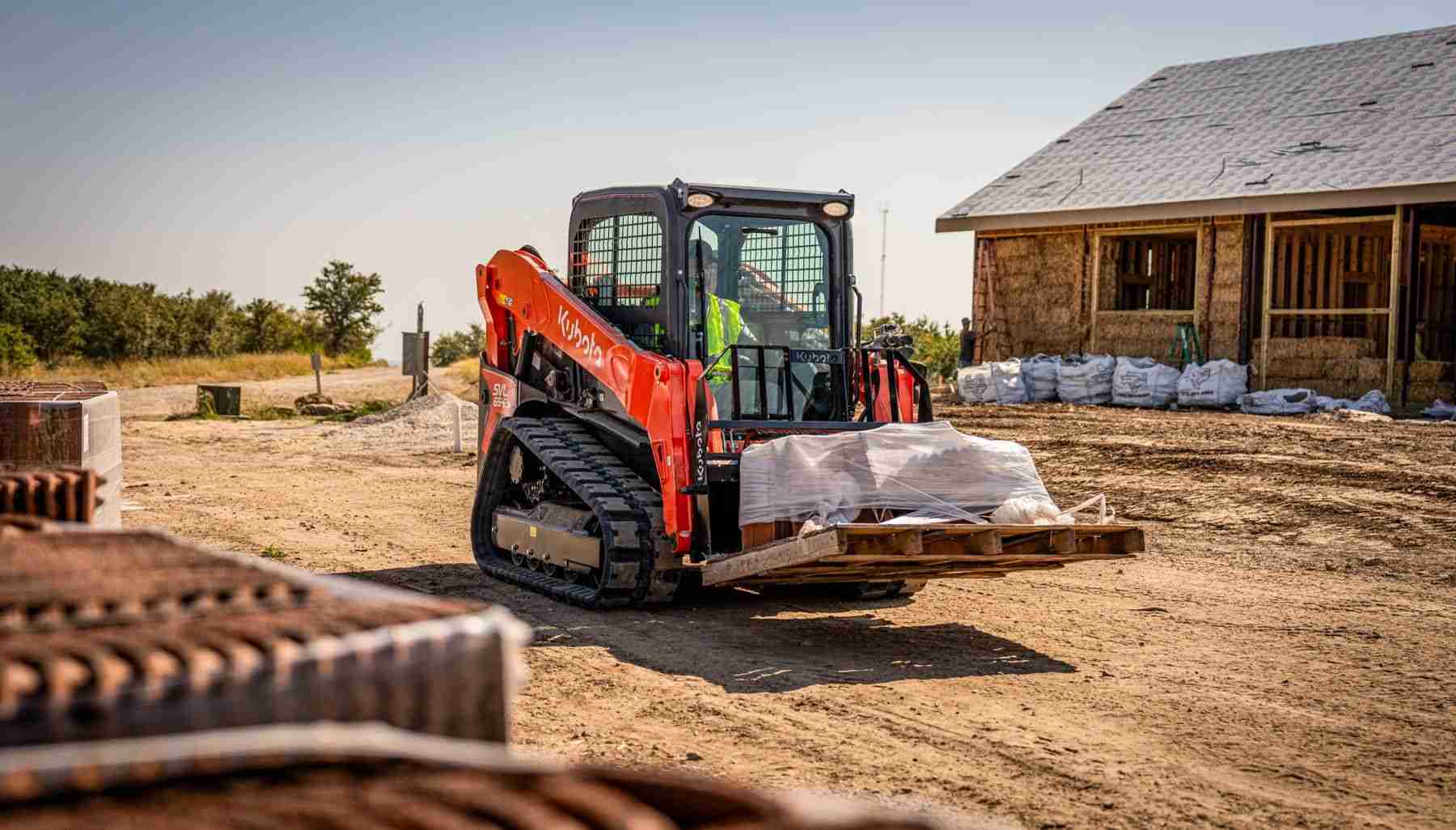
Rental Spec Is Often Basic on Purpose
Fleets buy machines that the most renters can use for the most jobs. That often means a plain configuration. Not always. Often.
What tends to be missing
Some rental units come without high flow hydraulics, without the bigger cab package, or without certain comfort and control options. A fleet manager does not want to pay for a feature that only one renter in twenty uses, and does not want a complicated machine in the hands of a first timer.
Why that matters to you
If you plan to run a mulcher, cold planer or other high flow attachment, check the spec before you check the price. Adding high flow later is usually not practical. On the other hand, if you are moving dirt, pallets and gravel, a basic spec machine with fewer things to break may suit you fine.
What tends to be present
Rental units are often set up with common couplers, standard quick attach and popular bucket widths.
Pricing: Rental Fleet vs Private Party vs New
Here is the logic, with round hypothetical numbers. Say a new machine is $70,000. A private party unit of the same age as the rental unit might list a bit higher than the ex rental because it has fewer hours and nicer paint. The ex rental should land below that because of the hours and the wear, but above a no history private unit because of the records.
| Factor | Rental fleet | Private party | New |
|---|---|---|---|
| Service records | Usually complete | Often thin or missing | Starts at zero |
| Hours for the age | Often high | Often low | None |
| Number of operators | Many | One or a few | You |
| Cosmetic condition | Rough | Varies | Clean |
| Options and spec | Often basic | Varies | Your choice |
| Price | Below new, priced to move | Below new, often negotiable | Highest |
| Warranty | Ask, varies | Usually none | Factory warranty |
When new wins
If the price gap between an ex rental and new is small, new often wins once you count factory warranty and promotional financing. Run the numbers with our Kubota financing guide before deciding a used machine is cheaper.
When auction wins
If you have cash, a good mechanic and a high tolerance for risk, auction can beat any dealer on price. We know. Our breakdown of equipment auctions vs buying from a dealer covers when that bet pays.
When renting wins
If you only need the machine a few weeks a year, do not buy one at all. Our rent or own break-even math will tell you, and you can browse the rentals catalog for what is available near you.
Warranty, and Buying From the People Who Rented It
Ask about warranty, every time
Some ex rental units still have factory coverage left, depending on age and hours. Some sellers offer their own used warranty. Some sell as is. Do not assume. Ask what coverage remains, whether it transfers to you, what it covers and what it excludes, and get it in writing. Our guide to what Kubota's warranty covers explains the basics and what can void it.
The dealer who rents and sells knows the machine
A dealer that both rents and sells has something no auction and no stranger online can offer. They saw this exact machine come back from every rental. Their own techs serviced it. They know which units were trouble and which ones never came back on a flatbed.
And yes, they have an incentive
That same dealer also wants to clear the yard, and knows things you do not. So use that knowledge against them, politely. Ask the service department, not just sales. Ask for the work orders. Ask which unit in the lineup they would buy themselves. If the answers get vague, that tells you something. Whether you are buying in LA County, the Inland Empire or San Diego County, the questions are the same.
The Short Version
Records are the whole point
A rental unit with complete service records can be a smart buy. Without them, it is just a hard used machine.
Expect high hours for the age
Judge hours per year and how they were earned, not the meter alone.
Inspect where renters hurt it
Pins, quick attach, undercarriage, hoses and controls. Then run it under load.
Check the spec and the gap to new
Rental units are often basic spec. If new is close in price, new may be the better buy.
Seven Questions to Ask Before You Buy an Ex Rental
- Can I see every service record and work order for this machine?
- How many hours a year did it run, and were they short rentals or long contracts?
- What kinds of jobs did it rent out for?
- What was damaged, what was repaired, and who did the work?
- Have any major components been rebuilt or replaced?
- Does it have high flow and the options I need, or is it basic rental spec?
- What warranty remains or comes with it, and can I get that in writing?
Straight Answers
Is it a good idea to buy used rental equipment?
It often is. Rental fleets usually maintain machines on a schedule, keep records and sell them fairly young. The catch is hard use by many operators, so only buy one with complete records and after a thorough inspection.
Why do rental companies sell their equipment?
Most fleets rotate machines out on a schedule to avoid rising repair costs and downtime, and to keep the fleet current. A unit being sold is usually a calendar decision, not a sign it is broken.
Do ex rental machines have more hours than private ones?
Usually. A busy rental unit can log several times the yearly hours of a privately owned machine. Compare hours per year and how they were earned rather than the age alone.
What should I inspect on used rental equipment?
Focus on bucket teeth and cutting edge, pins and bushings, the quick attach plate, the undercarriage on track machines, hydraulic hoses, glass, the seat and the controls. Then run every function under load.
Does used rental equipment come with a warranty?
It depends on the machine and the seller. Some units have factory coverage left, some come with a seller warranty and some are sold as is. Ask what remains, whether it transfers and get it in writing.
Is ex rental equipment cheaper than buying from a private seller?
Sometimes. Ex rental units are often priced to move and come with records, but private units may have fewer hours. Compare the total condition, history and warranty, not just the sticker price.
Fine, We Have Some Machines to Sell
A rental company that also sells used machines just wrote a couple thousand words on why buying a used rental machine can be smart. You noticed. We noticed too.
So test us. Pick a unit and ask for its work orders, its hours by year and what it rented for. If we cannot answer, walk. If a private machine or a new one is the better deal, we will say so, even though that is a worse day for us.
We have been in this since 1952. Long enough to know that the machine you regret buying from us costs us more than the one you passed on.