

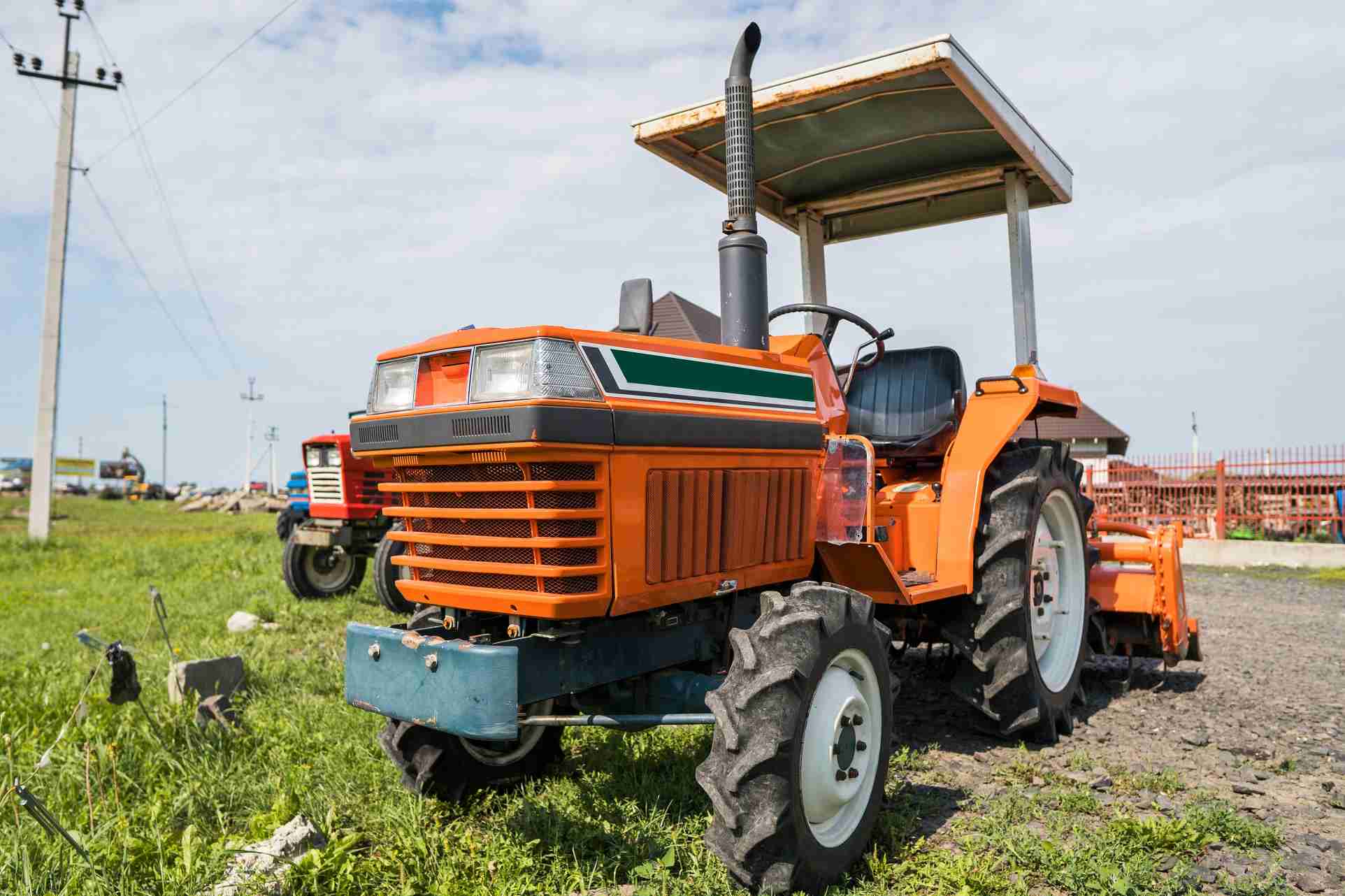
Used Equipment Hours: How Many Is Too Many? The meter is a rough proxy, not a verdict. What it counts, what it hides, and the ranges people quote at you
Disclosure. We sell used machines and we take trade-ins, so we have a stake in how you feel about hours on both ends of the deal. We will try to give you the version that holds up when it is not our iron.
Short answer: There is no single number. As a commonly cited rule of thumb, buyers start calling a compact tractor, skid steer or track loader high hours somewhere past 3,000 to 5,000, and a mini excavator past roughly 5,000 to 8,000. A machine with documented maintenance at high hours is often a better buy than a neglected one at half the hours.
The hour meter is an odometer for a machine that barely goes anywhere. Useful. Not the whole story.
Hours are the first number everybody asks about and the easiest one to misread. A meter tells you how long the engine ran. It does not tell you whether that time was spent trenching decomposed granite at full throttle or idling in a yard while the crew ate lunch.
Jump to what you came for
What the Hour Meter Actually Measures
On most modern diesel compact equipment, the meter counts engine run time. Engine running, clock ticking. It does not care about load, rpm or whether the bucket ever touched dirt.
Engine time, not work time
An hour at idle and an hour of hard digging read the same on the meter. On some older machines the meter may run whenever the key is on, engine or not. If you are looking at an older unit, ask, or check the operator's manual for that model before you assume.
Idle hours vs work hours
Idle is not free. Long low-load running can leave carbon on injectors and, on newer diesels with a particulate filter, load up the DPF faster than steady work does. Our guide to DPF regeneration covers why low-load use is hard on that system.
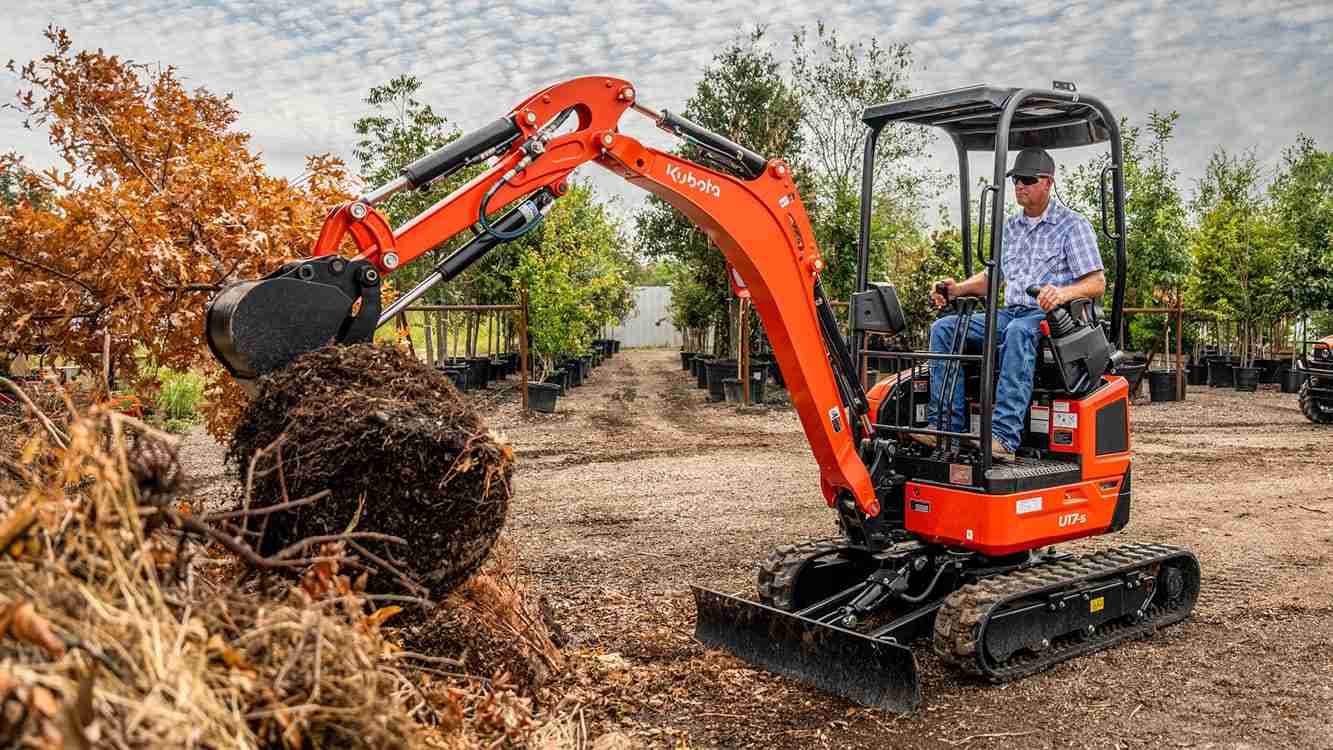
Commonly Cited Hour Ranges by Machine Type
These are rules of thumb, not engineering data.
Manufacturers do not publish a "worn out" number. The ranges below are the kind of thresholds buyers, auction listings and mechanics commonly cite for compact diesel equipment. A good or bad history moves a machine a full column either way.
| Machine | Low | Mid | High | Price it as a project |
|---|---|---|---|---|
| Compact tractor | Under 1,000 | 1,000 to 2,500 | 2,500 to 4,500 | 5,000 and up |
| Mini excavator | Under 2,000 | 2,000 to 4,500 | 4,500 to 7,000 | 8,000 and up |
| Skid steer | Under 1,500 | 1,500 to 3,000 | 3,000 to 4,500 | 5,000 and up |
| Compact track loader | Under 1,500 | 1,500 to 3,000 | 3,000 to 4,500 | 5,000 and up, plus undercarriage |
"Price it as a project" does not mean dead. Plenty of machines run well past those numbers. It means you should assume some major work is due and pay accordingly.
Why tractors run so long
Many compact tractors live easy lives. Mowing, some loader work, a lot of sitting. If you are shopping by size too, see what size tractor you actually need.
Why skid steers and track loaders age fastest
Constant direction changes, loader arms working at the top of their range, and dust pulled straight into the engine compartment. Track loaders add an undercarriage that wears by the hour. Our compact track loader guide explains what that undercarriage is made of.
Excavators split the difference
A mini excavator works hard but mostly sits in one spot. The swing bearing, boom pins and tracks are where hours show up first.
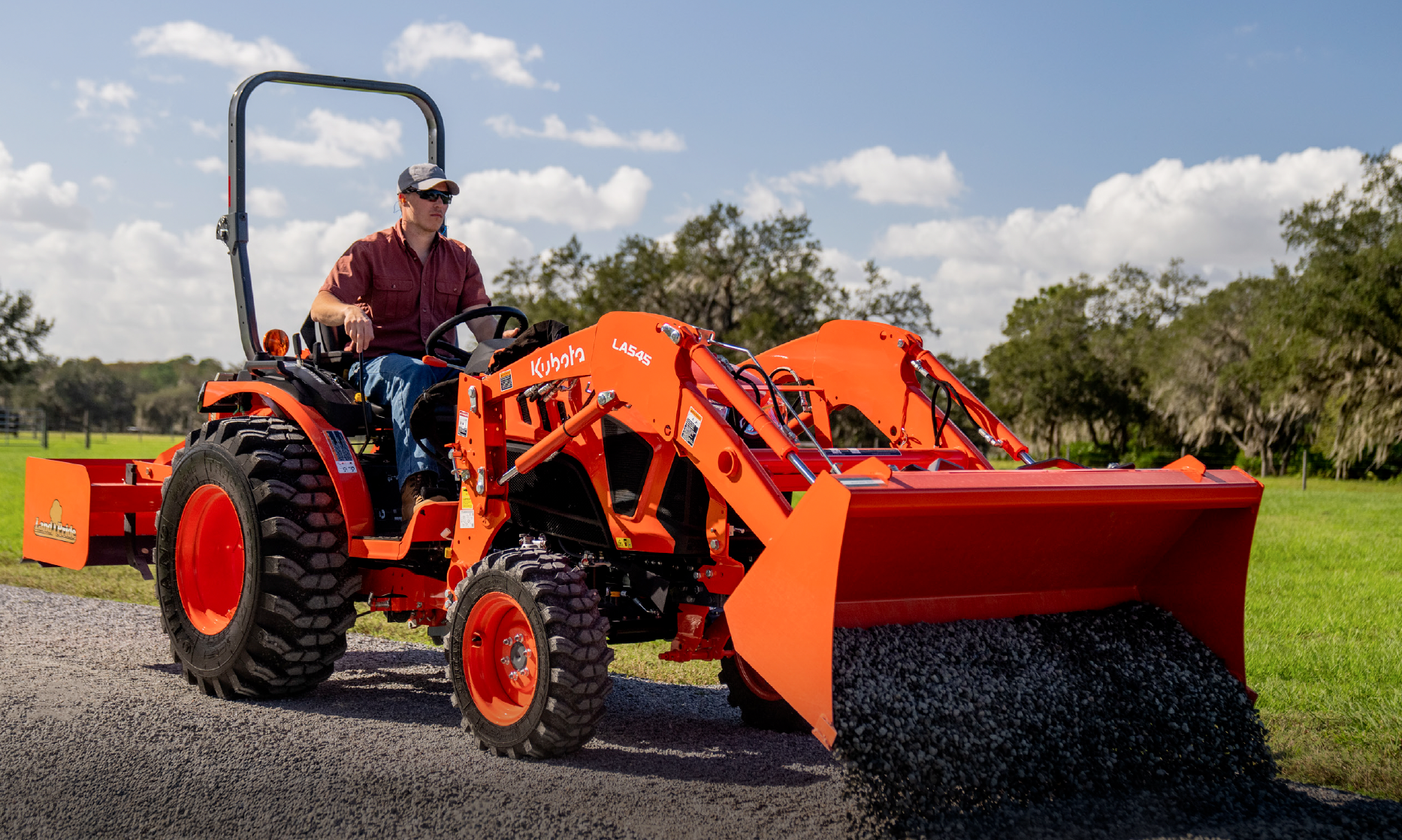
Do the Hours Per Year Math
Hours mean little without age. Divide the meter by the years since the machine was built. You can confirm the build year with a Kubota serial number lookup.
What normal looks like, very roughly
A homeowner tractor might see 50 to 200 hours a year. An owner-operator landscaping machine might see a few hundred to around 800. A rental or production fleet machine can run 1,000 or more.
When low hours are the red flag
Say it is a 10 year old machine with 800 hours. That is 80 hours a year. It might be a garage-kept gem. It might also have sat behind a barn in Riverside County for four summers. Sitting has its own problems.
When high hours are fine
A four year old skid steer with 3,500 hours from a fleet that serviced it on schedule may be a better machine than that 800 hour barn find. It ran daily and somebody wrote down every service. Our guide to buying used rental equipment covers how to read a fleet machine's history.
Four Things That Matter More Than the Meter
1. Maintenance history
Oil and filter changes at the interval, hydraulic fluid and filters, grease on every pin, air filters changed often. Records with dates and hours are worth real money. No records at all means you assume the worst and price it that way. If you want the baseline of what should have been done, start with Kubota maintenance 101.
2. Application
3. Climate and dust
Southern California is easy on steel and hard on everything else. Little road salt means frames and pins rust less than back East, though coastal San Diego County air can still corrode. The tradeoff is heat and dust: plugged radiators, hot hydraulic oil, and air filters that load up fast on a dry Inland Empire grading job. Ask how often the air filter was changed. The answer tells you a lot.
4. Idle time
High hours with a high idle share can mean a tired engine and a fresh loader.
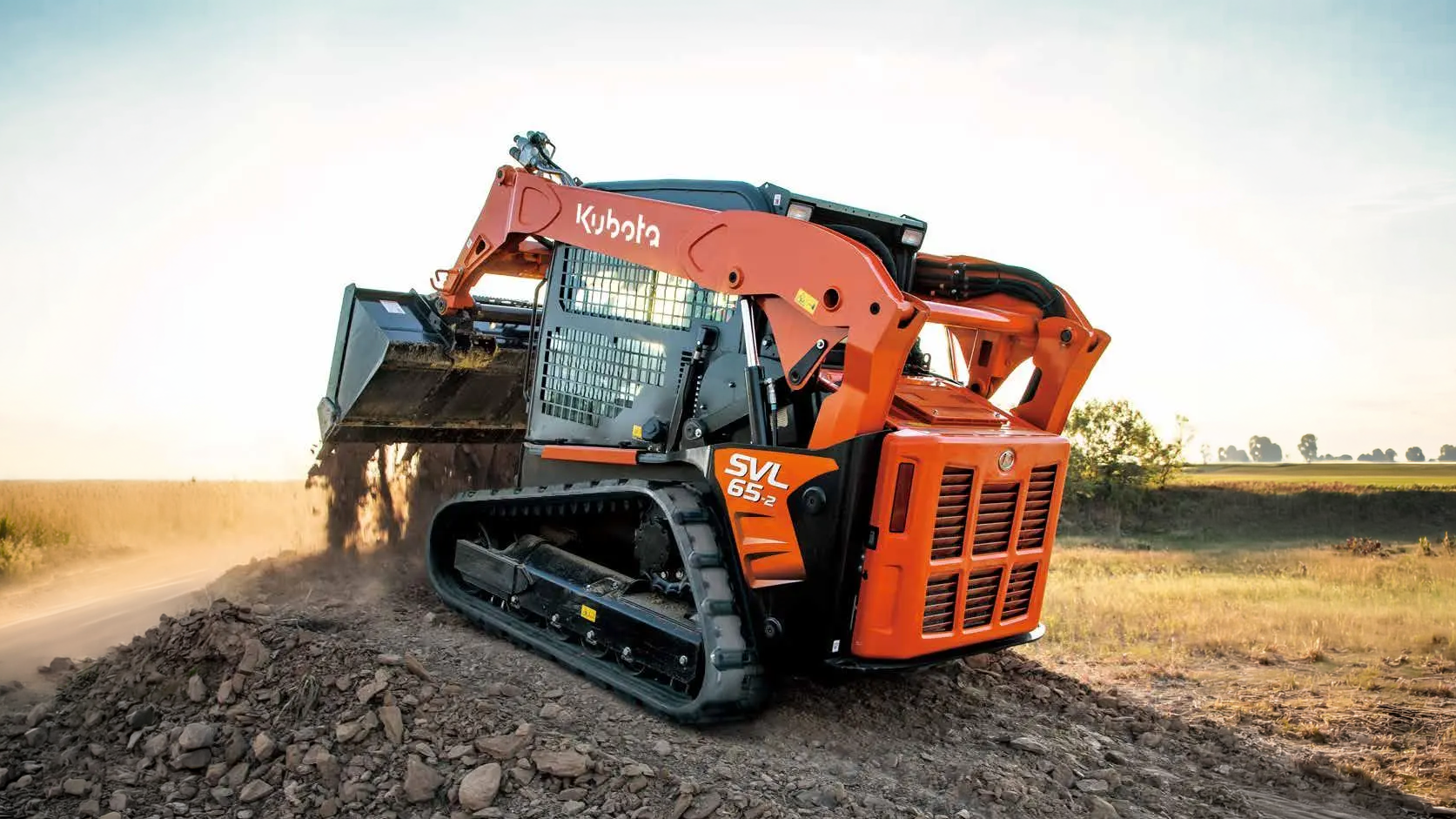
The Cost Milestones That Tend to Come With Hours
We are not putting dollar figures here. They swing too much by model, parts availability and who does the labor. What matters is knowing which big jobs show up as hours climb, and whether the seller already paid for them.
On tracked machines
On every diesel
The bills already paid
A high hour machine with fresh tracks and documented pump work can be worth more than a mid hour one about to need both. When a big repair is looming on a machine you already own, our guide on whether to repair or replace equipment walks through the math.
Meter Swaps, Tampering and Wear That Does Not Match
Meters get replaced for honest reasons
Gauge clusters fail. Displays get replaced. That is normal. An honest seller has the paperwork showing when it happened and what the old meter read. Without that, the number on the new meter is just a number.
Wear that does not match the meter
A machine tells on itself. If the meter says 900 hours and the machine looks like 5,000, believe the machine.
Check the records against the meter
If an old service invoice lists more hours than the meter shows now, walk away or get a very good explanation. Ask the selling dealer whether service records exist under the serial number. Our used equipment inspection checklist covers the full walkaround.
How Hours Affect Price and Resale
Hours are the first filter most buyers apply, so they move price more than they probably should. Buyers tend to react to round numbers. A machine at 2,950 hours often sells easier than the same machine at 3,050.
When you are buying
Pay for condition and records, not a low meter. Then set aside a repair fund sized to the next milestone that machine is likely to hit. If the math gets close to a newer unit, look at financing a newer machine before you commit to someone else's deferred maintenance.
When you are selling or trading in
Records add value you can actually see in the offer. So does fixing the cheap stuff before you show it. Our guide to equipment trade-in value covers what moves the number.
When to buy cheaper, or skip us
If you need a beater for a one season job in LA County, a high hour machine at auction, priced as a project, may be the right call. Our rental fleet exists for that. We would rather you rent than buy the wrong used machine from anybody, us included.
The Short Version
Records beat a low meter
A documented high hour machine usually beats an undocumented low hour one.
Divide by the years
Very low hours per year can mean a machine that sat. Sitting rots seals, batteries and fuel.
Know the next big bill
Undercarriage, pins, pump, injectors, DPF, turbo. Find out which ones are already paid for.
Believe the wear, not the number
If the pedals, seat and pins look older than the meter, trust the pedals.
Seven Questions to Ask About the Hours
- What year was it built, and what does that work out to in hours per year?
- Has the hour meter or gauge cluster ever been replaced, and is there paperwork?
- Can I see the service records with dates and hours?
- What did it do for a living: rental, landscaping, demo or farm?
- Is idle time or fuel use available in the display or telematics?
- When were the tracks, pins, injectors or DPF last serviced or replaced?
- If it sat, when were the fuel, filters, batteries and fluids changed?
Straight Answers
How many hours is a lot for a tractor?
For a compact diesel tractor, many buyers start calling it high hours somewhere around 2,500 to 4,500, and treat 5,000 and up as a machine to price for major work. Well maintained compact tractors often run much longer, so maintenance records matter more than the number.
How many hours is too many on a used skid steer?
A commonly cited range puts skid steers at high hours around 3,000 to 4,500, with 5,000 and up priced as a project. How the machine was used and serviced matters more than the meter, and demolition hours are much harder than landscaping hours.
How many hours is high for a mini excavator?
Mini excavators are often considered high hours somewhere around 4,500 to 7,000, with 8,000 and up treated as a project. Check the undercarriage, swing bearing and boom pins, which is where the hours show first.
Is a used machine with very low hours always a better buy?
No. Divide the hours by the age. A ten year old machine with 800 hours may have sat for years, which can mean dried seals, bad batteries, chewed wiring and old fuel. A well documented fleet machine with more hours can be the better buy.
Can the hour meter on equipment be replaced or rolled back?
Meters and gauge clusters get replaced for honest reasons, and an honest seller has paperwork showing the old reading. Compare the wear on pedals, seat, steps, grab handles and pins to the meter, and compare old service invoices to the current reading.
Does idle time count on the hour meter?
Yes. On most modern diesel equipment the meter counts engine run time whether the machine is working or idling. Some newer machines report idle percentage or fuel use in the display or telematics, if available.
We Sell Used Iron. This Page Was the Pitch.
A dealer writing about how to judge used machines is a dealer hoping you will judge one of theirs. We know how that looks. We wrote it anyway.
Send us the year, the hours and whatever records you have, on a machine we sell or one you found somewhere else in LA County, Riverside County or San Diego County. We will tell you what the hours probably mean and what is likely due next, including when the honest answer is to pass.
Seventy-some years of selling used machines teaches you one thing. The meter never shows up to the repair bill. The records do.