

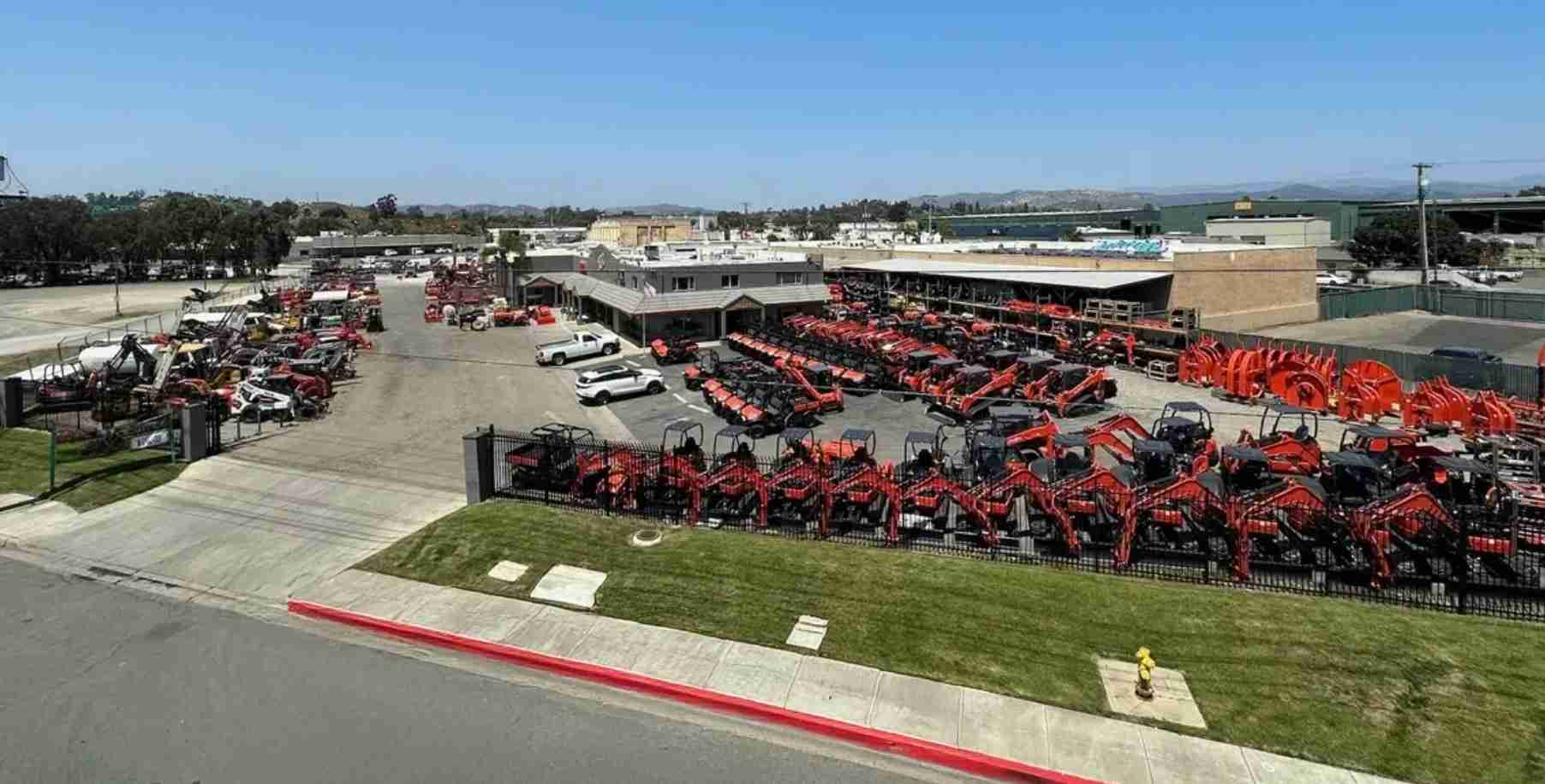
Buying Used Construction Equipment in 2026: What to Inspect Before You Sign A walkaround and paperwork checklist for used mini excavators, skid steers, track loaders and compact tractors, written by people who also sell used ones
Disclosure. We sell used machines off our own lots, so we have a stake in where you buy. This guide works the same on a private seller's yard as it does on ours. Use it on us too.
Short answer: Before you buy used construction equipment, check the paperwork first (serial number match, bill of sale, lien search, service records), then start the machine cold and inspect the engine, hydraulics, undercarriage, pins and bushings, and frame. Wear items like hoses and bucket teeth are cheap. Undercarriage, hydraulic pumps, swing bearings and engines are not, and those decide whether the price is fair.
A used machine is a pile of wear parts with a price tag. Your job is to figure out which ones are about due.
Most bad deals are not scams. They are machines worked hard, washed nice and sold right before something expensive wore out. This covers mini excavators, skid steers, track loaders and compact tractors. Bring a flashlight and a friend who has run one for a living.
Jump to what you came for
Paperwork First, Because a Stolen Machine Runs Great
If the papers are wrong, nothing else matters. Check them first and save yourself an hour in the dirt.
Match the serial number and PIN plate
Find the serial or PIN plate on the frame and compare it to the bill of sale, the seller's records and any financing paperwork. Ground off numbers, fresh rivets or a plate newer than the machine are reasons to leave. Our guide to Kubota serial numbers shows where the plate lives and how to read it.
Title or bill of sale
Most compact equipment does not come with a title the way a pickup does. Expect a bill of sale with the seller's name, the serial number, the date and the price. If the name does not match the person in front of you, ask why.
Liens and the UCC search
Lenders record their interest in equipment with a UCC filing at the state level. In California you can search the Secretary of State's UCC records by the owner's name or business name. A lender's claim can follow the machine to you, so get a lien release or handle the payoff at the sale.
Service records
California emissions
California has its own rules for diesel off-road equipment, and they change. Ask the seller how the machine is registered and labeled for California use, and get any paperwork they have.
The Cold Start and the Engine
If the engine is already warm when you arrive, ask why.
A warm engine hides hard starting, smoke and noises. Tell the seller you will start it cold.
Starting and blow-by
It should start without a fight. Then pull the oil fill cap or watch the crankcase breather. A little vapor is normal. Heavy smoke pushing out means blow-by from engine wear, and that is an engine job.
What the smoke color means
DPF and Tier 4 diesels
Most newer compact diesels carry a diesel particulate filter that has to regenerate to burn off soot. Ask how often it regenerates, whether it has needed a forced or service regen, and whether any warning lights have come up. Read our DPF regeneration guide first. Emissions repairs are not cheap.
Check the radiator for packed dirt too. Southern California heat finds a weak cooling system on a hillside in August.
Hydraulics: Leaks, Drift, Noise and Speed
Check hydraulics warm. That is when tired pumps and seals show themselves.
Leaks and hoses
Wet, dirt caked fittings mean a slow leak. One freshly cleaned spot means someone wiped one. Hoses should not be cracked, bulged or rubbed through. A hose is a cheap fix. A scored cylinder rod is not.
The cylinder drift test
Raise the arms with some load in the bucket, shut it off and chalk the cylinder rod at the seal. Wait several minutes. A little movement is normal. Arms that visibly sink mean worn seals or a valve problem.
Pump noise and cycle times
Milky fluid means water. Burnt smelling fluid means heat. Ask what fluid was used. Our Kubota hydraulic fluid guide explains why that matters.
Undercarriage: Where Tracked Machines Hide the Bill
On a tracked machine, the undercarriage is one of the largest bills you can inherit. Price it in, or walk.
Sprockets
Good sprocket teeth are rounded with a flat top. Worn ones get pointed and hooked.
Rollers and idlers
Look for flat spots, oil weeping from roller seals and rollers that do not turn. Check the front idlers for wobble and wear on the running surface.
Track tension
Most compact tracks are tensioned with a grease cylinder. If the adjuster is run all the way out to keep the track tight, the track is stretched and near the end.
Rubber track cracks
Small surface cracks are normal with age, especially after years of San Diego County sun. Deep cracks running across the lugs, missing lugs, chunks torn out or steel cords showing through mean replacement.
On wheeled skid steers, check tires for cuts and uneven wear instead.
Pins, Bushings, Swing and Frame
Grease is cheap. Pins and bushings are not.
Slop in the linkage
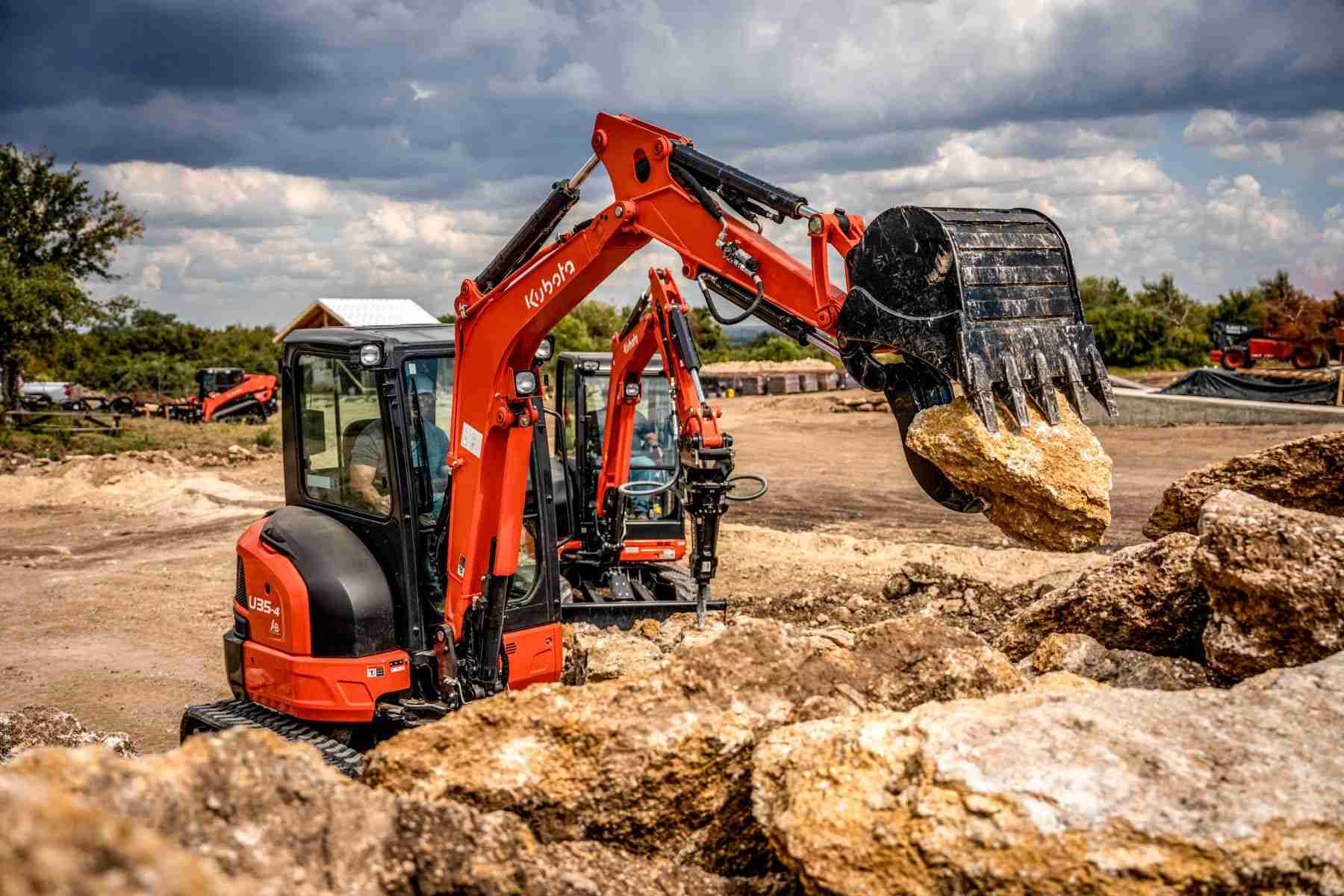
Have your friend move the bucket and boom in small motions while you watch each pin. Some play is normal. Clunking and wobble mean bushings, sometimes egg shaped bores.
Swing bearing and slew play on excavators
Extend the arm, put the bucket on the ground and lift the tracks slightly, then watch where the upper structure meets the undercarriage. Rocking or clunking there can mean a worn swing bearing. Swing both ways and listen for grinding. It is a big job.
Loader arms and quick attach on skid steers
Check the arm pivots and lift cylinder pins for slop. Check the quick attach for bent levers and wedge pins that do not seat. A plate that does not lock is a safety problem.
Frame cracks and weld repairs
Cab, Electronics, Fault Codes and the Hour Meter
Cab and controls
Every control, light, alarm and safety interlock should work. A worn out seat on a low hour machine is a clue.
Electronics and fault codes
Watch for warning lights and ask to see stored fault codes. Rodents love wiring on machines that sat.
Is the hour meter honest?
Meters get replaced and disconnected. Compare hours to the wear on pedals, pins and undercarriage. If the machine looks like 5,000 hours and the meter says 1,200, believe the machine. We wrote a whole guide on what used equipment hours really mean
Fluid samples and oil analysis
A lab can tell you what is in the oil and hydraulic fluid. Metals mean wear. Coolant means leaks. Silica means dirt got past the filter, worth knowing in Los Angeles County dust. If the seller refuses a sample, that is information too.
Cheap to Fix vs Expensive to Fix
Cheap problems are a negotiating tool. One expensive problem can be the whole deal. These are tiers, not quotes.
| Item | Repair cost tier | What to do |
|---|---|---|
| Bucket teeth, cutting edge, hoses, filters, battery | Low | Negotiate a little, then fix it |
| Seat, glass, lights, minor wiring | Low | Negotiate a little |
| Cylinder reseal, a few pins and bushings | Moderate | Get it priced and take it off the price |
| Rubber tracks, sprockets, a set of tires | Moderate to high | Get a quote before you sign |
| Full undercarriage, rollers and idlers | High | Price must reflect it or walk |
| Hydraulic pump, drive or swing motor | High | Walk unless the price is very low |
| Swing bearing, cracked frame, engine rebuild, emissions system | High | Usually walk |
Dealer or Private Party: Yes, Ours Cost More
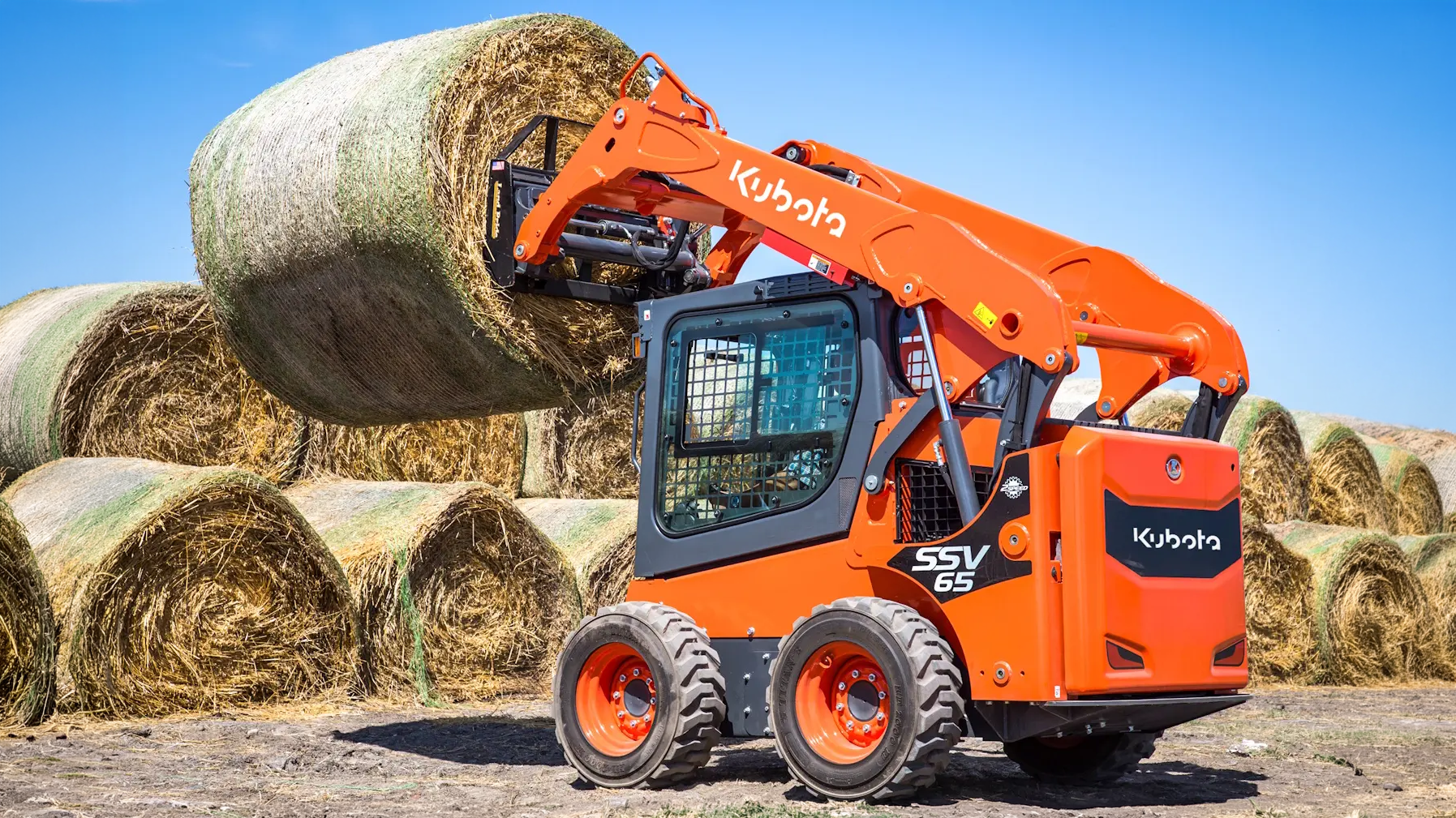
A used machine from a dealer usually costs more than the same machine from a private seller. Some is overhead. Some is the service done before it hit the lot. Ask any dealer, us included, what was done and what coverage, if any, comes with it. Our Kubota warranty guide explains what the factory covers on new machines, which is a different thing.
When private party is fine
Auctions are a third option with their own rules. We break that down in buying at auction vs from a dealer. Ex-rental machines are a fourth, and our guide to buying used rental equipment covers what a rental life does to a machine. Either way, read our demo guide first.
Trading in? Check our trade-in value guide. Financing? Read how equipment financing works And if you buy private in Los Angeles County, Riverside County or San Diego County and want someone to look it over or fix what you found, our service department works on machines we did not sell.
The Short Version
Papers before iron
Match the serial number, get a proper bill of sale and run a lien search. Bad papers end the deal.
Start it cold
Show up before it is warmed up. Watch the smoke, check blow-by and ask about the DPF.
Price the big four
Undercarriage, hydraulic pump, swing bearing and engine. Those decide whether the price is fair.
Trust wear over the meter
Compare hours to pedals, pins and tracks, and pull an oil sample on anything that costs real money.
The Walkaround Checklist
- Does the serial or PIN plate match the bill of sale, and does a UCC search come back clean?
- Are there service records, and how is the machine registered and labeled for California use?
- Did it start cold without a fight, with no heavy blow-by and no smoke that will not clear?
- Any hydraulic leaks, sinking cylinders on the drift test, pump whine or slow cycle times?
- How are the sprockets, rollers, idlers, track tension and rubber tracks?
- Is there slop in the pins, play in the swing bearing or a quick attach that does not lock?
- Any frame cracks or sloppy weld repairs, and are there stored fault codes?
- Do the hours match the wear, and will the seller let you pull an oil sample?
Straight Answers
What should I inspect when buying used construction equipment?
Start with the paperwork: serial number match, bill of sale, lien search and service records. Then start the machine cold and check the engine, hydraulics, undercarriage, pins and bushings, swing bearing, frame, cab and fault codes. An oil analysis helps on bigger purchases.
What is the most expensive thing to fix on a used mini excavator?
The big ones are the undercarriage, the hydraulic pump, travel and swing motors, the swing bearing and the engine. Any one of these can change whether a used machine is a fair deal.
How do I check for liens on used heavy equipment?
Search the UCC filings with the Secretary of State in the state where the owner or business is located, using the owner's name. If a lender has a filing, ask for a lien release or have the loan paid off as part of the sale.
What does blue, white or black smoke mean on a diesel?
Blue or gray smoke usually means burning oil. White smoke that clears as the engine warms is common, but white smoke that stays can point to coolant getting into the engine. Black smoke under load means too much fuel for the air, often a dirty air filter or injector or turbo trouble.
Is it better to buy used equipment from a dealer or a private seller?
A dealer usually costs more but often includes inspection and service and is around afterward. A private sale can be fine if you can inspect the machine properly, the paperwork is clean and you can handle repairs and downtime yourself.
Can you trust the hour meter on used equipment?
Not by itself. Meters get replaced or disconnected. Compare the hours to the wear on the pedals, seat, pins and undercarriage, and check service records for hour readings that climb steadily.
Fine, Here Is the Sales Pitch
You just read a company that sells used machines explain how not to get burned on one. We know how that looks. It is an ad. It is also true.
Tell us what you are looking at, ours or someone else's. We will tell you what we would check and what we would worry about, including when the right move is to buy the cheaper one down the road.
Three generations of selling used iron taught us one thing. The customer who inspected the machine is the one who comes back.