

The Rental Quote Isn't the Final Bill: 7 Costs to Check Before Booking Delivery, protection, fuel, mud, hours, fees and worn teeth, explained by the people who write the invoices
Disclosure. We rent equipment. Dump trucks, water trucks and compactors go out of our yards every day, and we write the invoices this article is about. So yes, this is the rental company explaining the rental bill. Read it with that in mind.
Short answer: Equipment rental costs usually run higher than the base rate because of seven common add-ons: delivery and pickup, a damage waiver or insurance, fuel, cleaning, extra engine hours, fees and sales tax, and wear items or attachments. Most of them are avoidable or at least predictable if you ask about each one before you book.
The daily rate is the price of the machine. The bill is the price of the job.
None of these charges are a scam. The industry just puts the big number on the quote and the small numbers in the contract. Here are the small numbers.
If you are still deciding between a day, a week or a month, start with our guide to daily, weekly and monthly rental rates, then come back here for everything that gets added on top.
Jump to what you came for
Delivery and Pickup
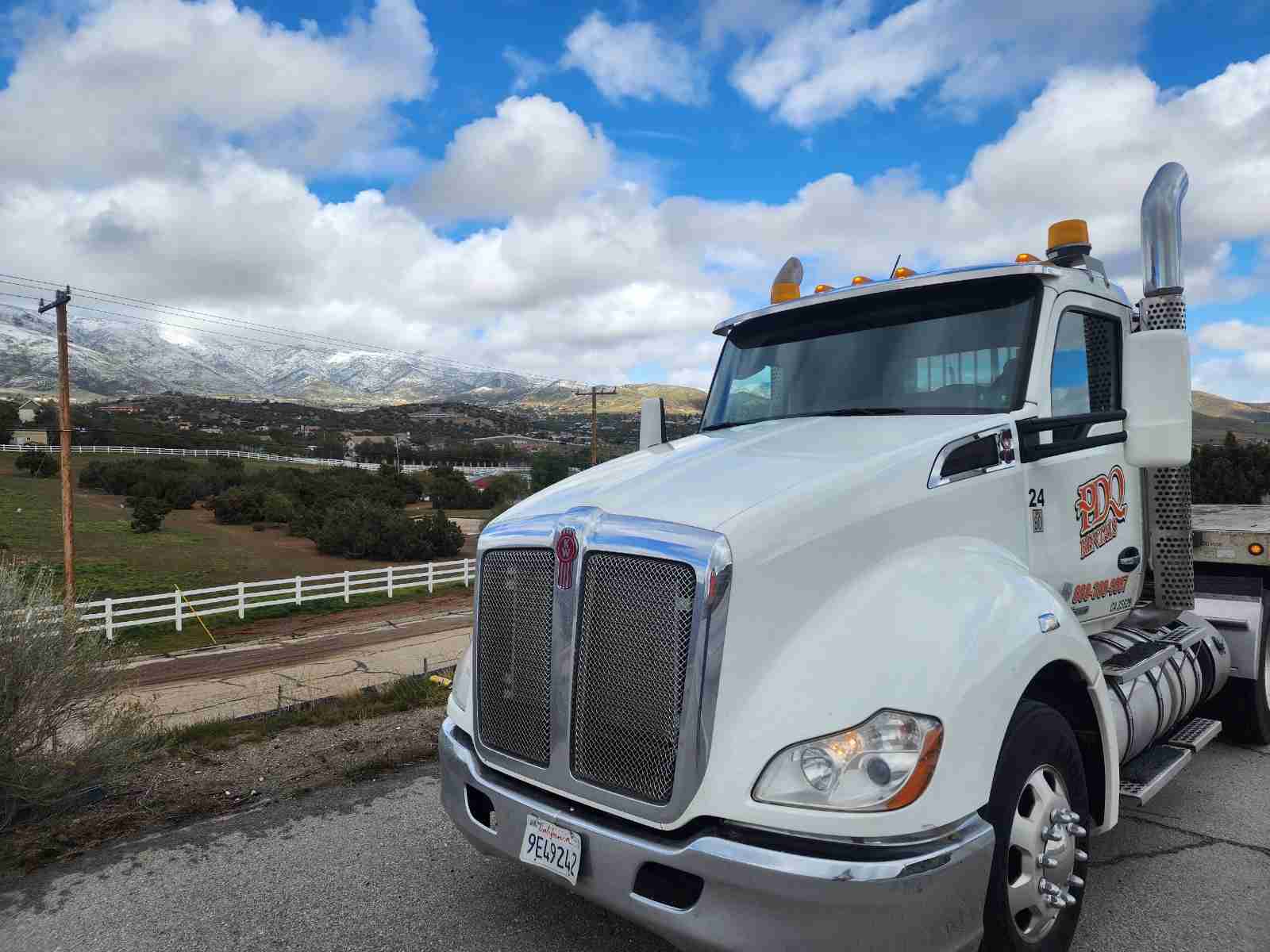
Delivery is usually charged twice. Once out, once back. A quote that says "delivery" may mean one direction only.
Distance is the big variable
Southern California is large and the freeways are slow. A jobsite ten miles from the yard and one fifty miles away are not the same trip, and a driver stuck on the 15 or the 405 is still on the clock. If you are working across LA County, Riverside County or San Diego County, ask which branch the machine ships from. The closest yard is usually the cheapest haul.
After-hours and special requests
Early drops, weekend pickups, timed deliveries and sites where the driver has to wait can cost more. So can a steep driveway, a hillside lot or a narrow street that needs a smaller truck.
On a one day rental of a small machine, delivery can be a big share of the total. That is where towing it yourself actually pays.
Damage Waiver or Your Own Insurance
Somebody has to cover the machine while it is at your site. It is either you, your insurer or a waiver.
Most rental companies offer a damage waiver, usually a percentage of the rental. It is not insurance. It limits what you owe if the machine is damaged, under the contract's conditions. The alternative is to show a certificate of insurance from your own policy that covers rented equipment.
When the waiver makes sense
Homeowners and occasional renters usually do not carry a policy that covers a rented excavator. For them the waiver is often the simplest answer. Read what it excludes. Many waivers do not cover theft without a police report, tires, glass, misuse or damage from ignoring the operating instructions.
When your own rental equipment insurance is cheaper
Contractors may already carry rented equipment coverage. A current certificate naming the rental company can replace the waiver. Ask your agent about the deductible and whether the limit covers the value of the machine.
We are not going to quote our waiver terms here because terms change. They are on our rental policies page, and the counter will walk you through them.
Fuel and Cleaning
The easiest two to avoid. The most common to pay anyway.
Fuel: return it full or pay to have it filled
Most machines go out full and are expected back full. If they come back low, you pay for the fuel plus a refuel charge, and the per gallon number is almost always higher than the station down the road. The fix is a five gallon can and ten minutes.
Cleaning: mud, concrete and SoCal dust
Normal dirt means the machine did its job. Caked clay, packed tracks or splattered concrete means a cleaning charge.
Ask what "returned clean" means before you book. It means different things at different counters.
Overtime, Hour Meters and the Rental Clock
A daily rate is common in the industry for a single shift of use, not 24 hours of running. Many rentals assume something like one eight hour shift per day, tracked on the hour meter. Run it longer and the extra hours can be billed as overtime. Not every company does it the same way, so ask.
How hour limits usually work
The meter is read when the machine leaves and when it comes back. Hours over the allowance are typically charged at a fraction of the rate. Double shifts and a crew that idles the machine through lunch add up.
Late return and the rental period clock
The rental period usually starts when the machine leaves the yard or is delivered, and ends when it is returned or the pickup is called in, depending on the contract. Return a day rental a few hours late and it may become a two day rental. If the job is running long, call before the period ends. Extending is cheaper than a surprise.
Minimum rental periods
Some machines carry a minimum, and a four hour rate may not exist for everything. Ask what the shortest billable period is for that machine.
The math on whether a weekly or monthly block beats stacking days is in our skid steer rental cost guide. Same logic applies to most compact machines.

Environmental Fees, Admin Fees, Tax and Deposits
The fine print. Small on its own, real money together.
Environmental and admin fees
Many rental companies across the industry add a small environmental fee (often described as covering fluids, filters and disposal) or an admin or processing fee. Some are flat, some are a percentage. Ask whether any fee will be added that is not on the quote, and ask for it by name.
Sales tax
In California, sales tax generally applies to equipment rentals, and the rate depends on the city and county where the rental is taxed. A quote that does not show tax is not the final number. Ask for an out the door estimate with tax included.
Deposits and card holds
Expect a deposit or a hold on your card, especially if you do not have an account. A hold is not a charge, but it ties up your credit limit until it is released. Regular renters should ask about an account.
Wear Items and Attachments
Normal wear is part of the rental. Abnormal wear is part of your bill.
Wear items that get billed
Bucket teeth, cutting edges, blades, rubber tracks and tires all wear. Breaking teeth on rock or cutting a track on rebar can lead to a charge. Consumables like saw blades, breaker points and auger teeth are commonly billed by use or by measured wear.
Attachments are priced separately
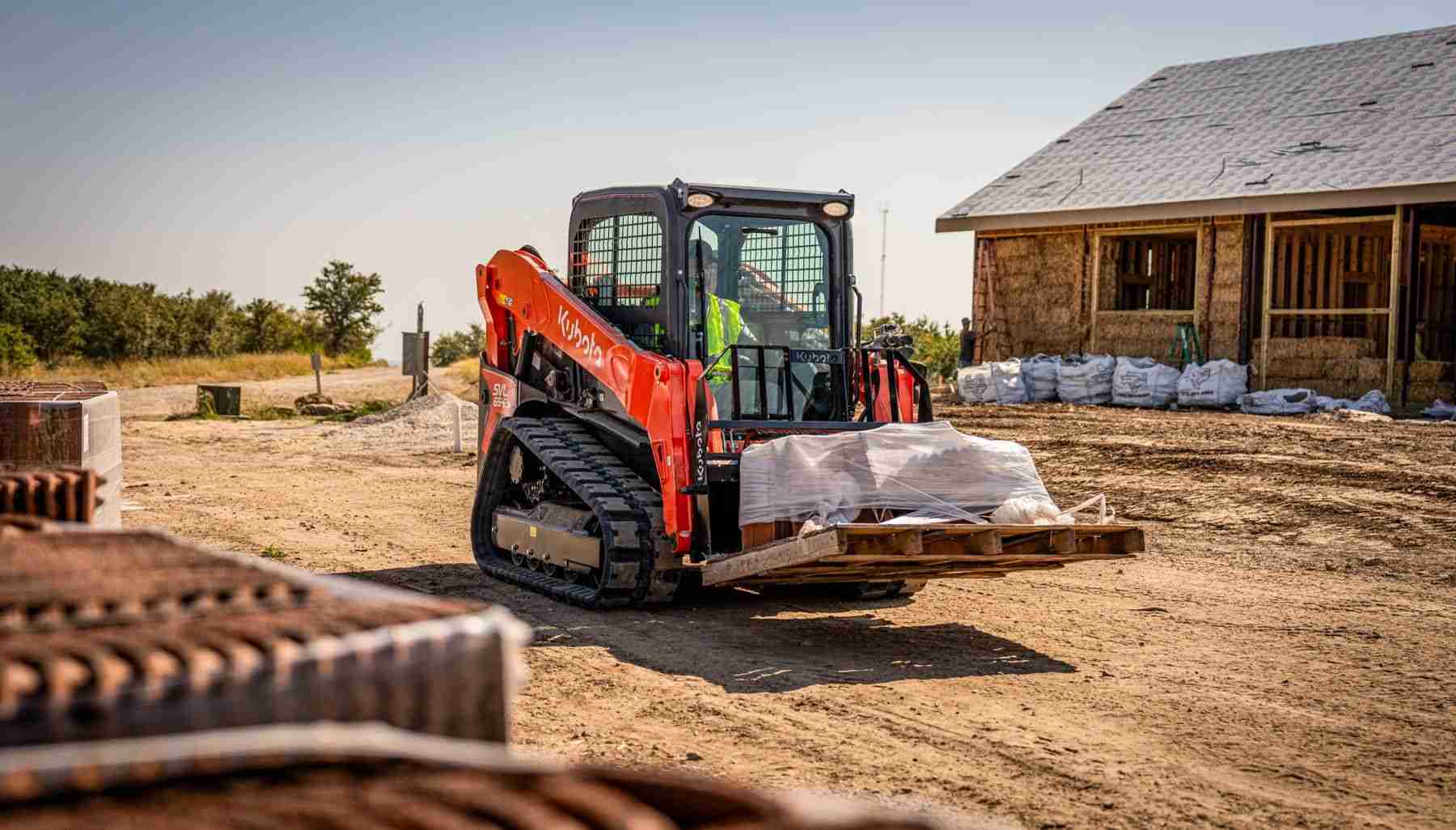
The machine and the attachment are usually two line items. Pallet forks, grapples, augers, breakers and trenchers each carry their own rate. Decide what you need before you call, so the quote matches the job.
If you are planning a backyard build, our ADU construction equipment guide lists which machines and attachments that kind of job really needs. For a broader picture of what each machine does, see the compact construction equipment overview.
All 7 Hidden Rental Fees in One Table
| Cost | What to ask | How to avoid it |
|---|---|---|
| Delivery and pickup | Is it each way or round trip to my address? | Tow it yourself or use the nearest branch |
| Damage waiver | What does it cost and what does it exclude? | Provide a certificate if your policy covers rentals |
| Fuel | Does it go out full, and what is the refuel charge? | Return it full |
| Cleaning | What counts as returned clean? | Wash off mud and concrete before it sets |
| Overtime hours | What is the daily hour allowance on the meter? | Plan one shift, or book the right period |
| Fees and tax | What fees are added that are not on the quote? | Tax is unavoidable; ask for an out the door number |
| Wear and attachments | How is wear measured, and what does the attachment add? | Photos at drop off, right attachment up front |
Every one of these is a two minute phone question. The people who get surprised asked only for the rate.
How a Base Quote Grows: A Worked Example
These are round, made up numbers to show the shape of a bill. They are not our prices.
Say a contractor in Riverside County rents a compact track loader for a week at a base rate of $1,200, plus a grapple, for a cleanup job 40 miles from the yard. It rained midweek. The crew ran a couple of long days.
| Line item | Amount | Avoidable? |
|---|---|---|
| Base weekly rate | $1,200 | No |
| Grapple attachment | $250 | No, if the job needs it |
| Delivery and pickup | $300 | Partly, by towing |
| Damage waiver | $150 | With your own coverage |
| Refuel charge | $100 | Yes |
| Cleaning (mud in tracks) | $150 | Yes |
| Overtime hours | $200 | Mostly |
| Fees and sales tax | $250 | No |
| Total | $2,600 | About $450 was easy to avoid |
What the example shows
The base rate was less than half the final bill. The fuel, cleaning and overtime, $450 together, were pure habit. A full tank, an hour with a hose and better scheduling would have kept that money. Delivery and protection could have been cut with a trailer and a certificate.
If you rent often enough that this math keeps showing up, it may be time to price ownership. Our guide on buying used rental equipment covers what to look for in a machine that already lived this life.
The Short Version
Ask for the out the door number
Rate, delivery both ways, protection, fees and tax on one page before you book.
Fuel, cleaning and hours are on you
Return it full, return it reasonably clean and stay inside the hour allowance.
Know who covers damage
Your policy with a certificate, or the waiver. Never assume.
Photograph it at drop off
Teeth, tracks, glass and dents. It is the cheapest insurance there is.
Seven Questions to Ask Before You Book
- Is delivery priced each way or round trip to my exact address, and which branch ships it?
- What does the damage waiver cost, what does it exclude, and will you accept my certificate of insurance instead?
- Does the machine go out full, and what is the refuel charge if it comes back low?
- What counts as returned clean, and what does cleaning cost if it is not?
- How many hours per day are included on the meter, and what happens over that?
- When does the rental clock start and stop, and is there a minimum rental period?
- What fees, deposits and tax will be added that are not on this quote?
Straight Answers
Why is my equipment rental bill higher than the quote?
Most quotes show the base rate only. Delivery and pickup, a damage waiver, fuel, cleaning, extra engine hours, fees, sales tax and attachments are often added separately. Ask for a total estimate that includes all of them before you book.
Do I need insurance to rent construction equipment?
You need coverage of some kind. Most rental companies accept either a certificate of insurance from a policy that covers rented equipment or a damage waiver purchased with the rental. Homeowner policies often do not cover rented machines, so call your agent first.
Is a rental damage waiver the same as insurance?
No. A damage waiver limits what you owe the rental company if the machine is damaged, under the conditions in the contract. It often excludes things like theft without a police report, tires, glass and misuse. Read the exclusions.
How many hours a day can I run a rental machine?
It depends on the rental company. Many daily rates assume roughly one eight hour shift tracked on the hour meter, and hours beyond the allowance can be billed as overtime. Ask what the allowance is before you book.
Do I have to refuel rental equipment before returning it?
Usually yes. Most machines go out full and are expected back full. If not, you are typically charged for the fuel plus a refuel fee, which costs more than filling it yourself.
How can I lower my construction equipment rental costs?
Rent from the nearest branch or tow the machine yourself, use your own insurance certificate if it covers rentals, return the machine full and reasonably clean, stay within the hour allowance and book the right rental period up front.
You Saw This Coming. It's an Ad.
A rental company just explained how rental companies make money. We know how that looks. The point is that we would rather you see every line before you book than argue about it at the counter.
Call the branch closest to your job in LA County, Riverside County or San Diego County. Tell us the machine, the address, the dates and how many hours you plan to run it. We will give you the total, fees and all, or you can browse the rental fleet first.
We have been writing rental invoices since before most of our customers were born. The ones nobody complains about are the ones nobody was surprised by.