


Smaller Machines, Bigger Jobs Why contractors keep reaching for compact construction equipment instead of defaulting to big iron
Full disclosure. We sell and rent compact construction equipment. An article arguing that smaller machines are winning is, from us, roughly as surprising as a barber recommending a haircut.
So read it with that in mind, and hold us to the section where we tell you the compact machine is the wrong call. It is in here, about halfway down, and it is longer than the flattering parts.
Here is the pattern we watch happen in our own yard, over and over. A contractor comes in convinced he needs to step up a size. He has a job with more dirt on it than last year and the instinct is more machine. Then he walks the site, discovers he cannot get anything big through the gate without pulling fence, and rents a mini excavator instead. It takes two extra days. It also costs a third of what the big machine plus the site prep plus the lowboy would have run.
He does that three times and stops calling it a compromise.
The jobs did not get smaller. The access got tighter, the crews got thinner, and the math on hauling a big machine to a small site stopped working.
Jump to what you came for
What Actually Changed
This is not a preference shift. Four separate pressures pushed the same direction, and the compact machine happened to be sitting where they landed.
Put those together and right sizing stopped being about doing less. It became the way the bid stays competitive.
The Access Math Almost Nobody Does First
Most people pick a machine and then find out what it will not fit through. Do it backwards. Write down these five numbers before you look at a single spec sheet, because any one of them can disqualify a machine you already fell in love with.
| Measure this | Why it disqualifies machines |
|---|---|
| Narrowest gate or side yard | Hard limit. A machine that cannot reach the back yard is worth nothing on that job, whatever it can lift. |
| Lowest overhead | Eaves, carports, power drops, mature trees. Cab height and boom swing both matter, and canopy versus enclosed cab can be the difference. |
| Ground you have to cross | New sod, a finished driveway, a septic field, soft fill. This is where ground pressure decides it, and where tracks earn their premium. |
| Trailer and truck rating | The one people skip. Weigh the machine plus attachment plus trailer. Plenty of buyers bought the bigger machine and then bought a bigger truck they had not budgeted. |
| Swing clearance behind you | Between a house and a fence, tail swing is the whole conversation. Zero tail swing and reduced tail swing machines exist for exactly this. |
Take the largest machine that clears all five. Not the largest machine you can afford, and not the one your competitor bought.
The Compact Classes and What Each One Is Really For

Mini excavator
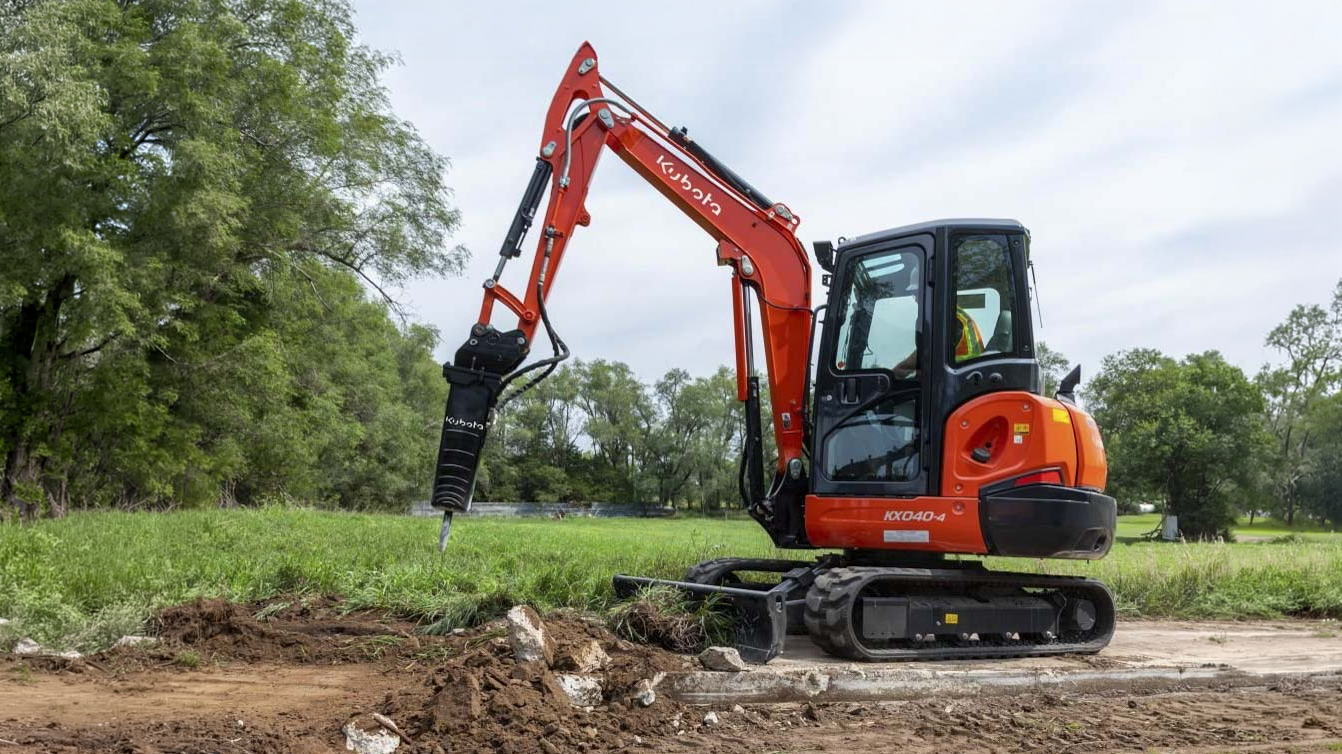
Trenching, footings, utilities, demolition, anything where the work is below grade. The one to two ton class fits through gates. The three to five ton class is where most contractors actually live. Sizing is its own conversation, so we wrote a guide just for that.

Compact track loader
Grading, moving material, and carrying a different attachment every week. The most versatile single machine in the compact world and the reason it became the default purchase. The full case is in our compact track loader guide.
Wheeled skid steer
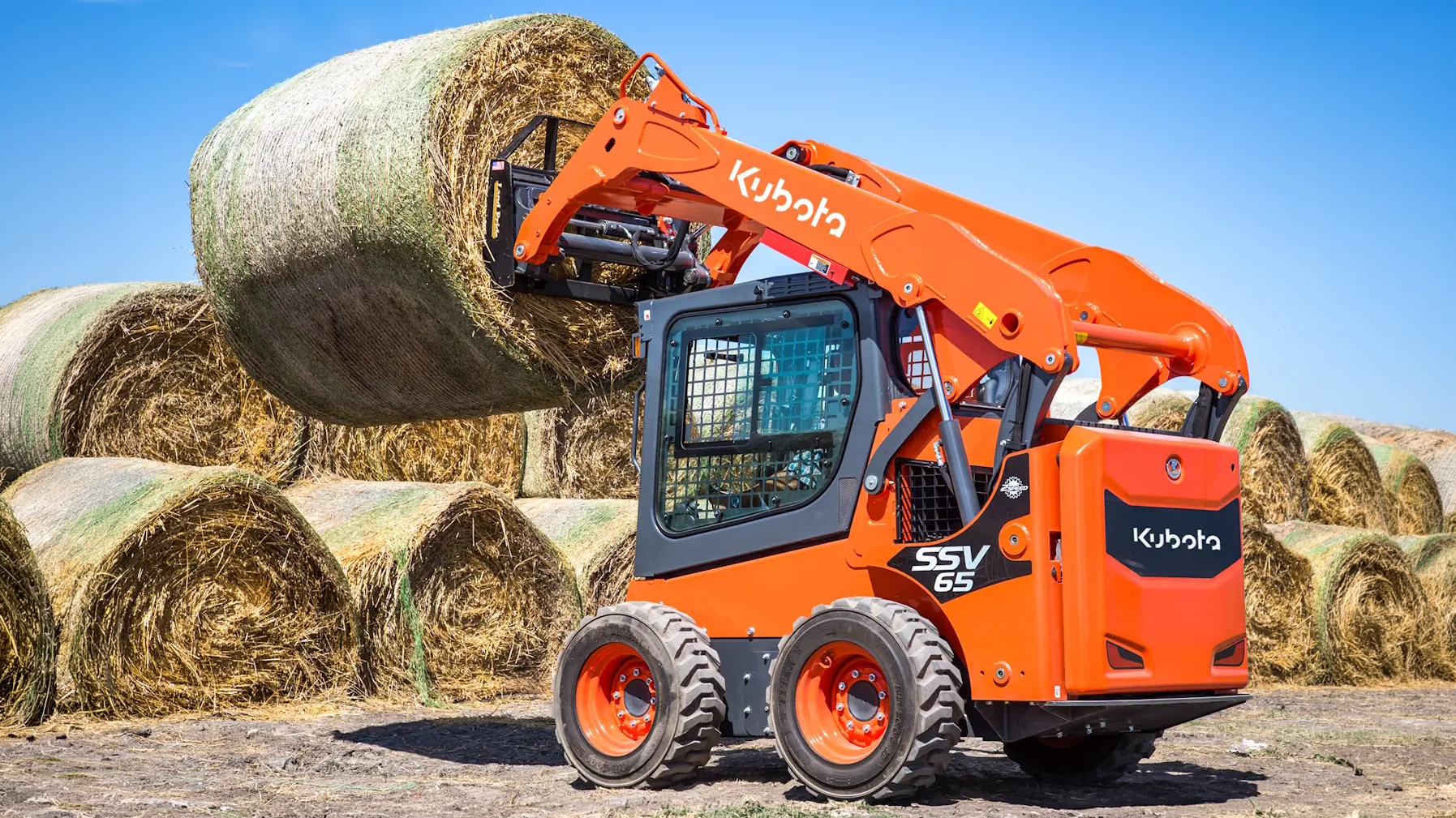
Same attachments, lower purchase price, no undercarriage bill, and it does not chew itself up on asphalt. If your week is hardscape, a paved yard or pallet work, this is the machine and we will happily sell you the cheaper one.

Compact tractor
Property maintenance, mowing, box blade work, moving round bales, road grading. Different tool from the loaders even though it wears a bucket. If the land is yours rather than a job site, start with what size tractor you need.
Where Small Machines Genuinely Lose
This section is the reason the rest of the page is worth reading. If any of these describe your work, right sizing down is a mistake and we will tell you so at the counter.
None of this is a reason to distrust the rest of the page. It is the boundary line, and knowing where it sits is most of the skill.
The Short Version
Right size down and do not feel bad about it. Compact wins here on schedule, on hauling and on damage you did not cause.
Buy the bigger machine. Compact equipment is the wrong tool and two of them is not the answer either.
Mini excavator first, loader second. A lot of people buy the loader and then rent an excavator monthly, which tells you what they needed.
Compact track loader, or the wheeled version if you live on pavement. Same attachments, very different ownership cost.
Check hydraulic flow before anything else. This is where undersizing actually costs you money instead of saving it.
Rent the smaller class for one job. It is the cheapest study you will ever run, and you get the answer in a week.
Talk to someone who runs these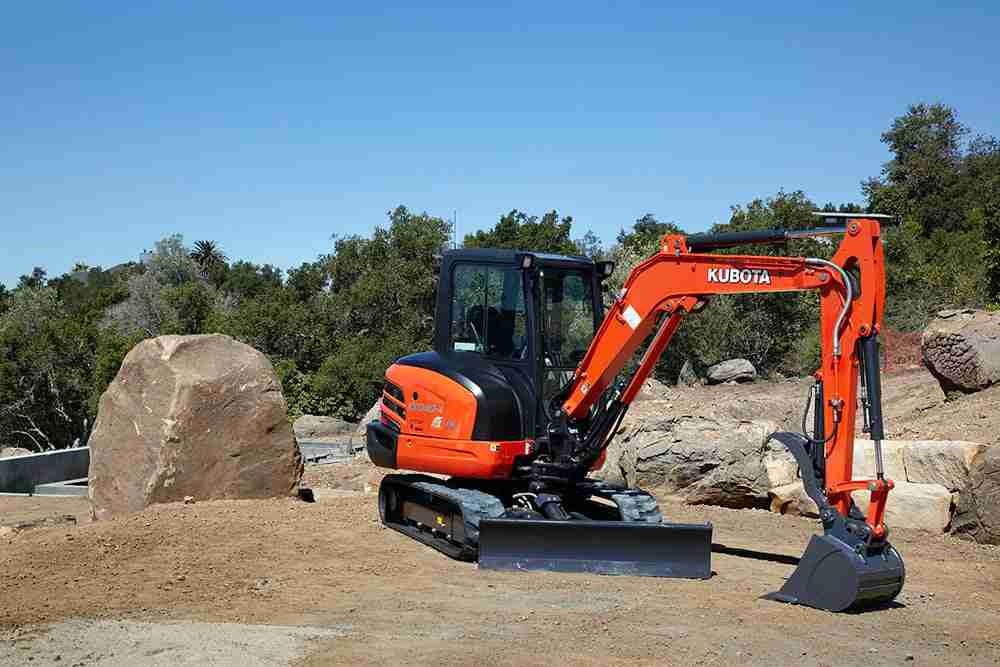
Rent Before You Right Size, and Here Is What It Costs Us
We rent every class on this page, which means we own the repair bill on machines nobody babies. That gives us numbers a review site does not have, and most of them argue for renting first.
If ownership is where the math lands, how Kubota financing actually works covers the 0% offers, and Section 179 covers writing it off before year end.
The Size Question Is Not the One That Will Cost You
Here is the part that undercuts the rest of this page, so we may as well say it plainly.
Kubota, Bobcat, Cat, Takeuchi, Deere and Case all build good compact machines. Get the class roughly right and none of them will fail you over a spec. We know, because several brands sit in our yard right now and we pay to keep all of them running. The iron is not your risk.
Your risk is the week it is down. A machine in a shop queue earns nothing, and it earns nothing regardless of whether you sized it perfectly.
Two contractors buying the same machine on the same morning can have completely different five years with it, and the variable is who services it.
So before you spend another evening comparing dig depths, ask the four questions that actually predict how this goes:
- Where is the nearest shop that works on this machine, and how far is that from your yard?
- Do they stock the wear items for this class, or does everything get ordered?
- What is the real turnaround on a warranty repair this month, not in general?
- When you call, do you get a person who knows equipment or do you get a queue?
We are at three branches in Southern California. Sun Valley in Los Angeles, Temecula, and Escondido in San Diego. Same family since 1952. Ask us those four, then ask whoever else you are considering the same four. We are comfortable being judged on the answers.
Straight Answers
What counts as compact construction equipment?
Generally the machines a contractor can haul on a standard trailer behind a pickup and operate in tight quarters. In practice that means mini and compact excavators, compact track loaders, wheeled skid steers, compact wheel loaders and compact tractors. The line is fuzzy at the top end, and the practical test is whether you can move it yourself without a lowboy and a permit.
Why are contractors buying smaller machines?
Four reasons at once. The work moved into tighter sites like infill lots, remodels and utility work between existing structures. Hauling a large machine costs money and scheduling flexibility that a trailerable one does not. Attachments closed much of the capability gap. And skilled operators are harder to find, so a machine a competent crew member can run productively inside a week is worth more than a bigger one only your best operator touches.
Can a compact machine really replace a full size one?
On tight sites, usually yes, and often faster once you count site prep and transport. On open volume work, no. Mass excavation, big cut and fill and production land clearing are decided by yards per hour, and two compact machines with two operators do not beat one large machine there. Reach, dig depth and dump height are also physics that no attachment fixes.
How do I pick the right size compact machine?
Measure five things before you look at any spec sheet. The narrowest gate or side yard you have to pass through, the lowest overhead obstruction, the ground you have to cross, what your truck and trailer can legally carry with an attachment loaded, and how much swing clearance you have behind the machine. Take the largest machine that clears all five, rather than the largest one you can afford.
Is it cheaper to rent or buy compact equipment?
Add up last year's rental invoices for one class of machine. If that total is approaching twelve monthly payments, you effectively bought one already and gave up the depreciation, so buying makes sense. If it is nowhere near, keep renting. Renting a class for one job before you commit is also the cheapest way to find out whether you actually wanted that size.
What is the most common sizing mistake?
Buying just enough machine and then running it at the top of its capability all day, every day. It wears out faster, costs more to maintain and slows the crew down. The second most common mistake is buying for the biggest job you might win rather than the work you actually do most weeks, and then paying to haul that machine to small sites all year.
We Are Not Going to Close You
You read a compact equipment dealer argue that compact equipment is winning, all the way to the bottom. You knew what this was on the first line, so a pitch here would be insulting.
Here is the offer instead. Bring us the five measurements from the access section. The gate, the overhead, the ground, your trailer rating and your swing clearance. We will tell you the largest class that clears all five, and if that class is smaller than what you came in for, we will say so and quote the smaller one.
If the honest answer is that you should rent for a season before you sign anything, we will say that too. If the honest answer is that you need a machine bigger than we sell, we will tell you that as well, because a customer who bought the wrong machine does not come back in five years.
We have been here since 1952 by being the yard people call back, not the yard that won an argument once.