

That Puddle Isn't Going Away: What to Do About Standing Water on Your Property. What to do today, what to check this week, and the fixes worth doing before the next storm, most of which do not involve renting anything from us
Disclosure. We rent excavators, trenchers, compactors and pumps, and we would happily rent you all four. Most puddles need none of them. Some need a downspout extension and a Saturday. We will tell you which is which.
Short answer: Standing water in your yard that is still there two days after rain means water is arriving faster than the soil can take it, usually from a downspout, irrigation, compacted clay or a low spot. Keep people, pets and machines off it, make sure it is not sitting against your foundation, and find the source before you dig anything. Most fixes run from a cheap downspout extension to a small regrade or a drain line, and the big ones belong to a drainage contractor.
A puddle is a symptom. Digging a hole under it is not a diagnosis.
This is the one-puddle guide. If your whole yard turns to soup every winter, start with our guide on why backyards turn into swamps. If the water is coming from next door, read what to do when your neighbor's yard drains into yours first. If it is one stubborn low spot, keep reading. We go in order: today, this week, before the next storm, then the permanent fix.
Jump to what you came for
Today: Is It Dangerous, or Just Annoying?
Most standing water is just annoying. A few kinds are not.
Water against the house
If the puddle touches the foundation, the slab edge or the crawlspace vents, it jumps to the front of the line. Expansive clay soils, common in parts of LA, Riverside and San Diego counties, drain slowly and swell when wet. Check the crawlspace and garage for dampness. If water is getting inside, call a contractor this week.
Water near electrical, pools and slopes
Mosquitoes
Water that sits more than a couple of days can breed mosquitoes. Dump buckets, plant saucers, tarps and the kiddie pool. If the puddle is more of a pond you cannot drain, county vector control districts in Southern California handle mosquito complaints.
Take pictures while it is still wet
Shoot photos and short video during or right after rain: where the water comes from, where it goes, where it stops. A contractor, an adjuster or a neighbor will learn more from that than from anything you describe in July.
This Week: Find Out Where the Water Comes From
Water in a low spot came from somewhere. Usually somewhere close.
Downspouts
The most common culprit, by a mile. A downspout that dumps at the base of the wall sends an entire roof section's worth of rain into a few square feet of soil. Trace every downspout near the wet spot. Look for missing elbows, splash blocks tipped toward the house, and buried lines that are crushed, clogged with roots or have no visible outlet.
Irrigation
Plenty of sprinkler timers from LA County to San Diego County run the same schedule in January as in August. If the spot is wet on dry days, suspect a broken head, a leaking valve or a cracked line. Turn off every fixture and check the water meter. If the leak indicator keeps moving, something is leaking.
Compacted or clay soil
Ground driven on during construction or used as a parking spot stops letting water in. Clay makes it worse. A rough test: on damp ground, push a long screwdriver in by hand. If it will not go in a few inches, the soil is compacted and water will sit on top no matter how flat the grade is.
Hardscape and grade
Patios, walkways, mow strips and garden edging can all act like little dams. Ground should slope away from a house; a commonly cited guideline is a drop of about 6 inches in the first 10 feet. Confirm what applies to your property with the city or a contractor before you start moving dirt. If you want the full diagnosis, with a hose test, a rain walk and a simple percolation (soak-in) test, our yard drainage causes guide walks through it.
Before the Next Storm: The Small Fixes
Do these in order, cheapest first. Stop when the puddle stops.
A small regrade, explained
Regrading means reshaping the surface so water runs instead of sits. For a small dip, that is a shovel, a rake and a wheelbarrow. Shave the high spot, fill the low spot, and tamp the fill in lifts (thin layers, packed one at a time) so it does not settle back into a dip after the first rain.
A swale
A swale is a shallow, wide, gently sloped channel, usually grassed or lined with rock, that carries surface water around a problem instead of letting it pool. It needs somewhere acceptable to go. That means an approved drain, the street if your city allows it, or a spot on your own lot that can take it. Never your neighbor's yard.
Dry well or catch basin: options to ask about
A catch basin is a grated box set at the low spot, with a solid pipe carrying the water away to an approved outlet. A dry well is a buried pit or chamber filled with gravel that holds water and lets it soak in slowly. Both are worth asking a contractor about. In tight clay a dry well can fill up and just sit there, so ask whether your soil can take it. Cities have rules about where drain lines may discharge. Check with yours.
Fixes by Cost and Effort
Relative cost, not a quote. Real numbers depend on your yard and who you hire.
| Fix | Effort | Relative cost | DIY? |
|---|---|---|---|
| Extend or redirect downspouts | An hour | $ | Yes |
| Fix irrigation leaks, cut the schedule | An afternoon | $ | Yes |
| Core aerate a compacted lawn | A morning | $ | Yes |
| Fill and regrade one low spot | A weekend | $ to $$ | Usually |
| Swale | A weekend or two | $$ | Sometimes |
| French drain | Several days | $$ to $$$ | Sometimes |
| Catch basin with drain pipe | Several days | $$ to $$$ | Sometimes |
| Dry well | Several days | $$ to $$$ | Ask first |
| Regrade the yard, slope or foundation work | A contractor's job | $$$ | No |
A French drain is a trench filled with gravel around a perforated pipe (a pipe with holes in it). It collects water that is soaking through the ground and carries it to an outlet. People jump to it first. A surface puddle often does not need one, and it is a lot of trench in rocky Inland Empire ground or caliche (a cement-hard layer of soil some yards have a foot or two down).
The top three rows fix more puddles than the bottom three, for a fraction of the money.
Permanent Fixes and When to Hire Someone
Some puddles are a weekend. Some are a contractor.
Signs it is bigger than a weekend
Who to call
A licensed landscape, grading or drainage contractor for regrading, swales and drain lines. A civil engineer for slopes, walls or anything near the foundation. The city or county for where water may legally discharge and whether the work needs a permit.
Digging rules that apply in your backyard too
Call 811 (DigAlert serves Southern California) at least two working days before you dig, even for a shallow drain trench. The utilities mark their lines. They generally do not mark private ones: sprinkler mains, power to a detached garage, landscape lighting, pool and spa lines. Dig by hand near them. Trenches 5 feet or deeper that someone will get into need a protective system and possibly a permit, so check Cal/OSHA requirements for your job. Never climb into a trench with wet, crumbling walls.
What to Rent, and What to Skip
Here is the part where the rental company tells you to rent less. Most single-puddle fixes need a shovel. A machine earns its keep on a bigger regrade, a long drain trench or fill that needs real compaction.
Pumping it out
A pump empties the puddle today and fixes nothing. Not onto a neighbor's lot, and check with your city before you run a hose to the street. For a flooded low spot after a big storm, our stormwater pump rental guide covers sizing, and trash pump vs water pump covers muddy water.
Trenching and digging
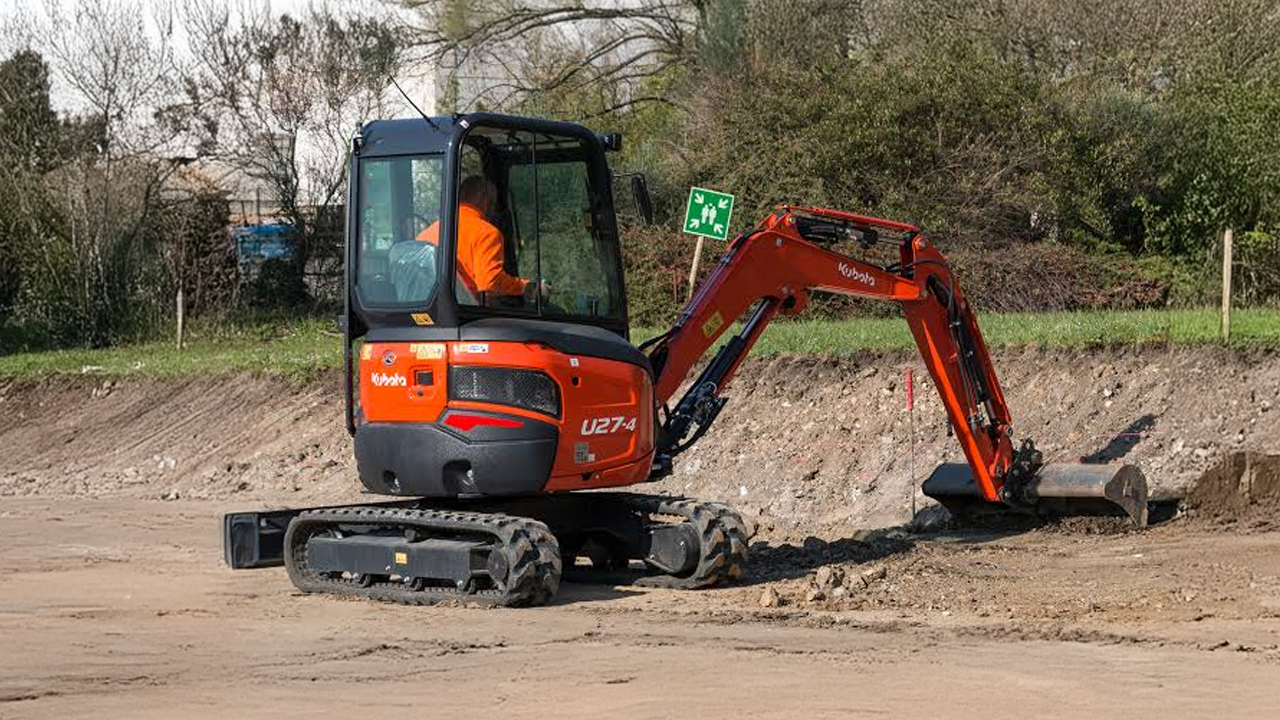
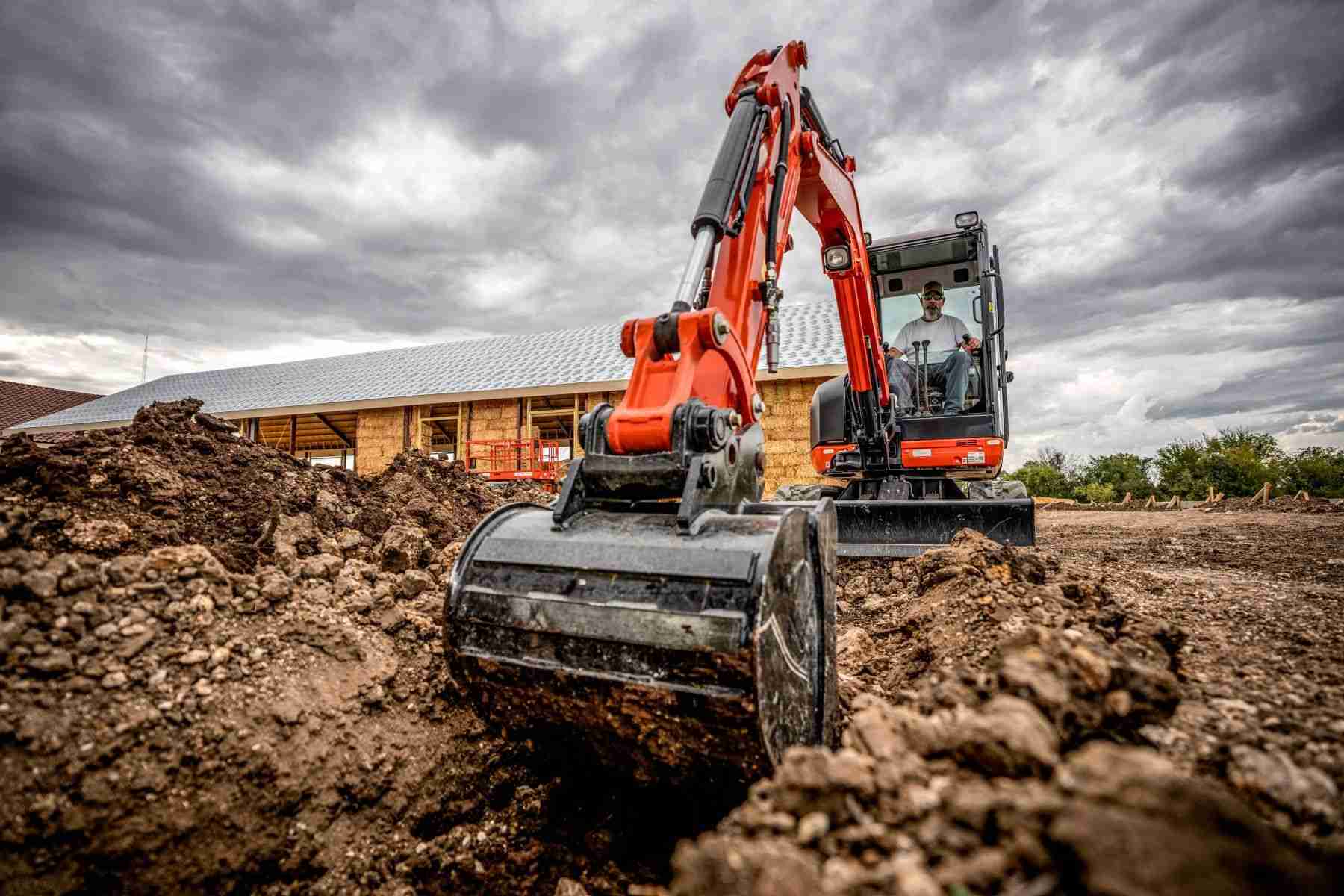
A walk-behind trencher handles a long, narrow drain line in decent soil. A mini excavator makes sense for a catch basin, a long run in hard ground, or a contractor-sized regrade. Measure your side gate first. Our backyard drainage equipment guide matches machines to fixes, and the trenching equipment rental guide covers trencher versus excavator.
Compaction
If you are filling a low spot, a plate compactor packs each lift far better than stomping on it. See the compaction equipment guide.
Wait for it to dry
The best rental decision for a soggy yard is often next week. Wet clay smears, machines rut it, and ruts become the next puddle. If rain lands on a rental day anyway, PDQ's posted rental policies say to notify PDQ the morning of that day so it can decide whether a credit can be extended; the signed rental contract is what governs. Read the rental policies and ask about anything else, or browse what is available on the PDQ rentals site. If a weekend is all you have, our weekend rental guide helps you plan around the clock.
The Short Version
Start with the downspouts
Trace and extend every downspout near the wet spot. It fixes more puddles than any machine we rent.
Safety and the foundation first
Stay off it with equipment, stay away from wet electrical, and treat water at the house as urgent.
Find the source before you dig
Irrigation, compaction and grade explain most of the rest. A trench under the puddle is a guess.
Hire out the big stuff
Slopes, walls, foundations and property lines go to a contractor, an engineer or the city.
Your Standing Water Checklist
- Is the water touching the house, near electrical, or near a slope?
- Is it still there more than two days after the rain stopped?
- Which downspouts drain toward this spot, and where do they actually end?
- Is the sprinkler timer still running, and does the water meter show a leak?
- Will a long screwdriver push into the damp ground, or is it compacted?
- Does the ground fall away from the house, or toward it?
- Did I photograph and video the water while it was raining?
- If I dig, have I called 811 and found the private lines?
Straight Answers
How long should water stand in my yard after rain?
A puddle that drains within a day is usually normal. Water still there two or more days later is arriving faster than the soil can absorb it and can breed mosquitoes. Time to find the source.
What is the cheapest way to fix standing water in my yard?
Extend or redirect downspouts and fix or turn down the sprinklers. Those two solve a large share of single-puddle problems for very little money.
Will a French drain fix standing water?
Sometimes, but it is often more than a surface puddle needs. A French drain is a gravel trench with a perforated pipe that carries water to an outlet. Try the cheap fixes first, then ask a drainage contractor.
Can I pump standing water into the street?
Rules vary by city, so check with yours before you do. Never pump or direct water onto a neighbor's property.
Is standing water near my foundation a problem?
It can be. Water that sits against a foundation for days, especially in expansive clay soil, is worth taking seriously. Redirect downspouts and have a contractor look if water gets in or the ground slopes toward the house.
Who do I call about mosquitoes in standing water?
In Southern California, your county vector control district handles mosquito complaints. Dump any containers that hold water and drain or fix the puddle if you can.
Fine, Here's the Sales Pitch
We just spent a couple thousand words telling you to fix your downspouts before calling a rental counter. Bad business plan. Still an ad.
If the small fixes did not work, tell the rental counter what the yard looks like, how wide the gate is and what the soil is. We will point you to the smallest machine that does the job, or tell you this one belongs to a contractor.
Since 1952, the most useful thing we have handed homeowners might be the advice to wait a week for the ground to dry.