

Pool Excavation Equipment: What Fits Through the Gate and Gets the Job Done? Gate width, dig depth, rock, and the dirt pile that turns out to be the real project
Disclosure. We rent and sell the excavators, loaders and dump trucks that dig pools. We make money whether you dig it yourself or your pool contractor rents from us. Read this knowing that.
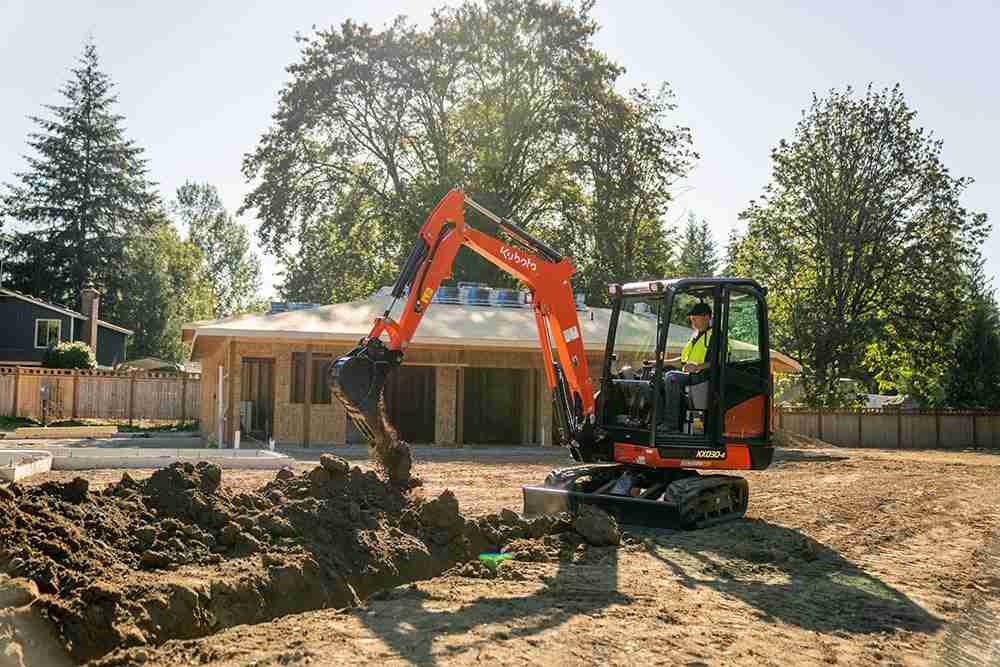
Short answer: Most residential pool excavation is done with a 3 to 5 ton mini excavator plus a skid steer or track loader and dump trucks to haul the spoil. If the side gate is under about 5 feet wide, a smaller machine or a micro excavator gets in, but digs slower and shallower. Measure the access, the deep end and the dirt pile before you pick a machine.
Digging the hole takes a day or two. Getting rid of the hole takes the rest of the week.
People ask us what machine digs a pool. The harder questions are whether it fits through your gate, whether it reaches the deep end, what happens when the bucket hits caliche at 18 inches, and where 100 yards of loose dirt is going to live while it waits for a truck.
Jump to what you came for
Who Actually Digs the Pool
Most homeowners do not dig their own pool. They hire a pool builder, and the builder either owns an excavator, subs the dig to an excavation crew, or rents the iron for the week. That is usually the right call. The dig has to match engineered plans and pass inspection.
When the homeowner rents
Some owners act as their own general contractor and handle the dig to save money, then bring in a shell crew. Some are digging a plunge pool, pond or spa pad. Reasonable, if you have run a machine before.
When you should not
If you have never run an excavator, a pool is a bad first project. You are next to a house and a property line, at depths where trench rules matter. Hire it out. We will still be here when you need a compactor for the deck.
When the contractor rents
Plenty of pool crews rent the excavator and loader for each dig rather than own them. The planning around the dig is where those jobs lose days.
Access Comes Before Everything
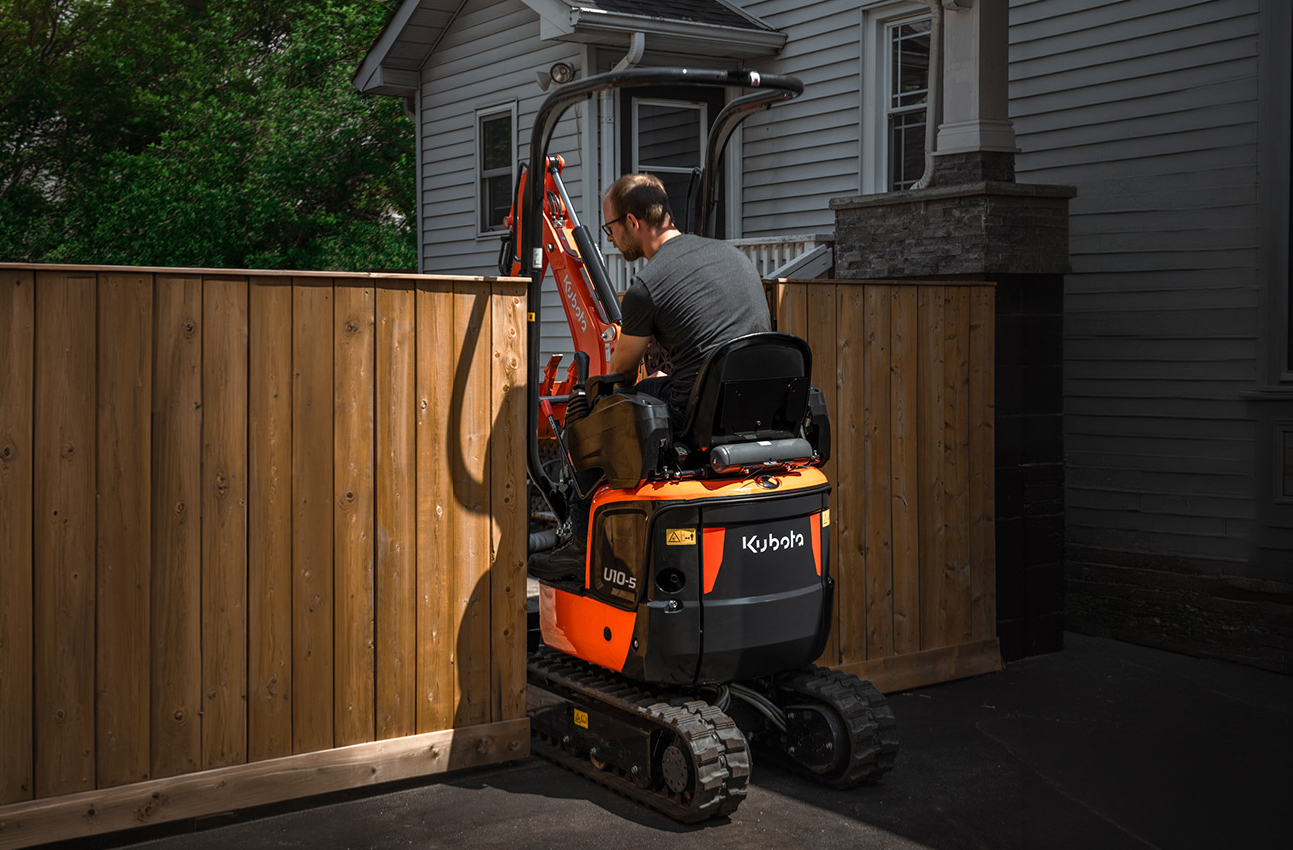
The machine you want is the biggest one that gets to the hole.
Backyard pools in Southern California tend to sit behind a house with a side yard that was laid out for trash cans, not tracks. Measure the tightest point between the street and the hole, not the gate itself. Usually a hose bib, AC condenser or gas meter.
Can you take the fence out?
Pulling a fence panel or a section of block wall and rebuilding it is often cheaper than running a smaller machine for twice as many days. Price both.
Delivery is part of access
A delivery truck needs somewhere to unload. Our equipment delivery checklist covers what the driver needs to see when they show up.
Micro Excavator or 3 to 5 Ton Mini
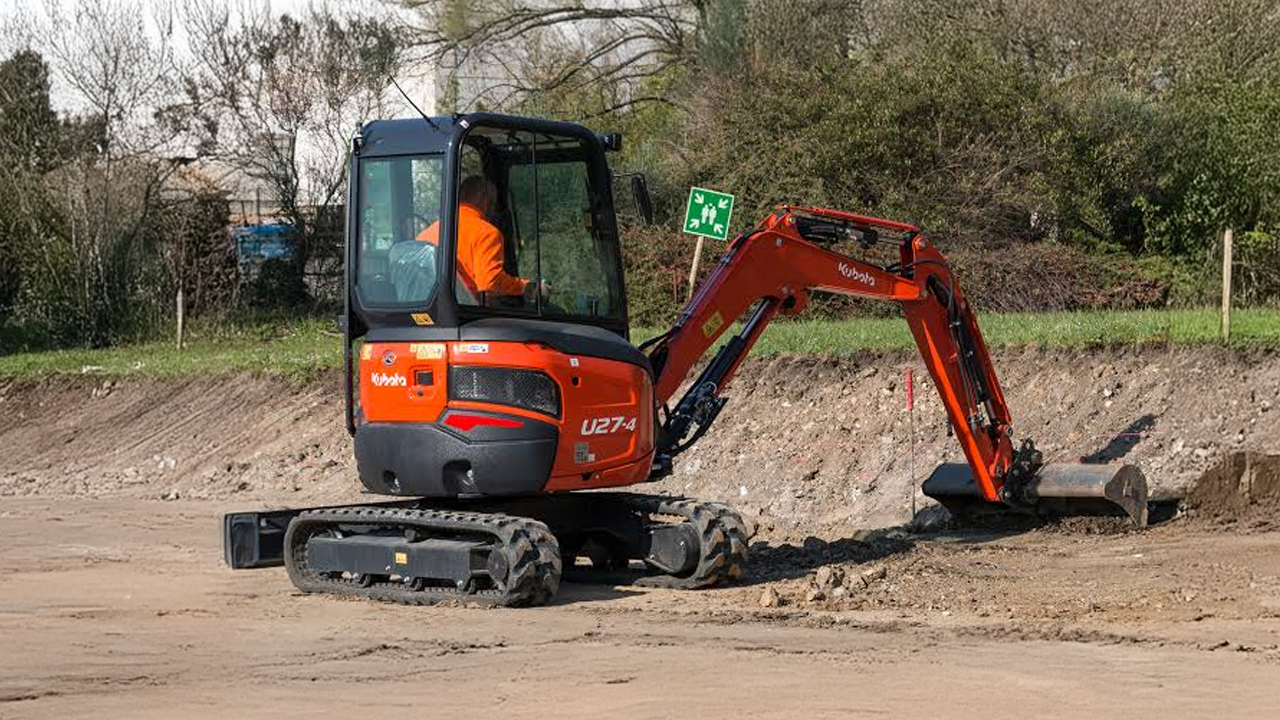
Once you know what fits, the choice is usually between a micro excavator, roughly the 1 ton class, and a 3 to 5 ton mini excavator. Some micro machines have tracks that pull in to under 3 feet wide. Most 3 to 5 ton machines are somewhere around 5 to 6 and a half feet wide. Check the exact spec sheet for the machine you are actually getting.
| Factor | Micro excavator | 3 to 5 ton mini |
|---|---|---|
| Fits a narrow side gate | Often yes | Needs wider access |
| Reaches a typical deep end | Maybe, check max dig depth | Usually |
| Speed through hard ground | Slow | Much faster |
| Bucket size | Small | Larger |
| Weight on lawn and pavers | Light | Heavier |
| Towing | Easier | Needs a real truck and trailer |
The time math
A small machine that takes four days costs more than a bigger one that takes two. If the bigger one fits, use it. Our mini excavator sizing guide goes deeper on weight classes.
One machine or two
An excavator alone can dig and pile. It cannot carry dirt 80 feet down a side yard to a truck. That is the job of a skid steer or track loader. Whether you need both depends on how far the hole is from the street, which we cover in when an excavator and loader make a better team.
Pulling it yourself
If you plan to tow, know the loaded weight before you hook up. Our guide to mini excavator towing in California covers the trailer and truck side.
Dig Depth, Buckets and Walls
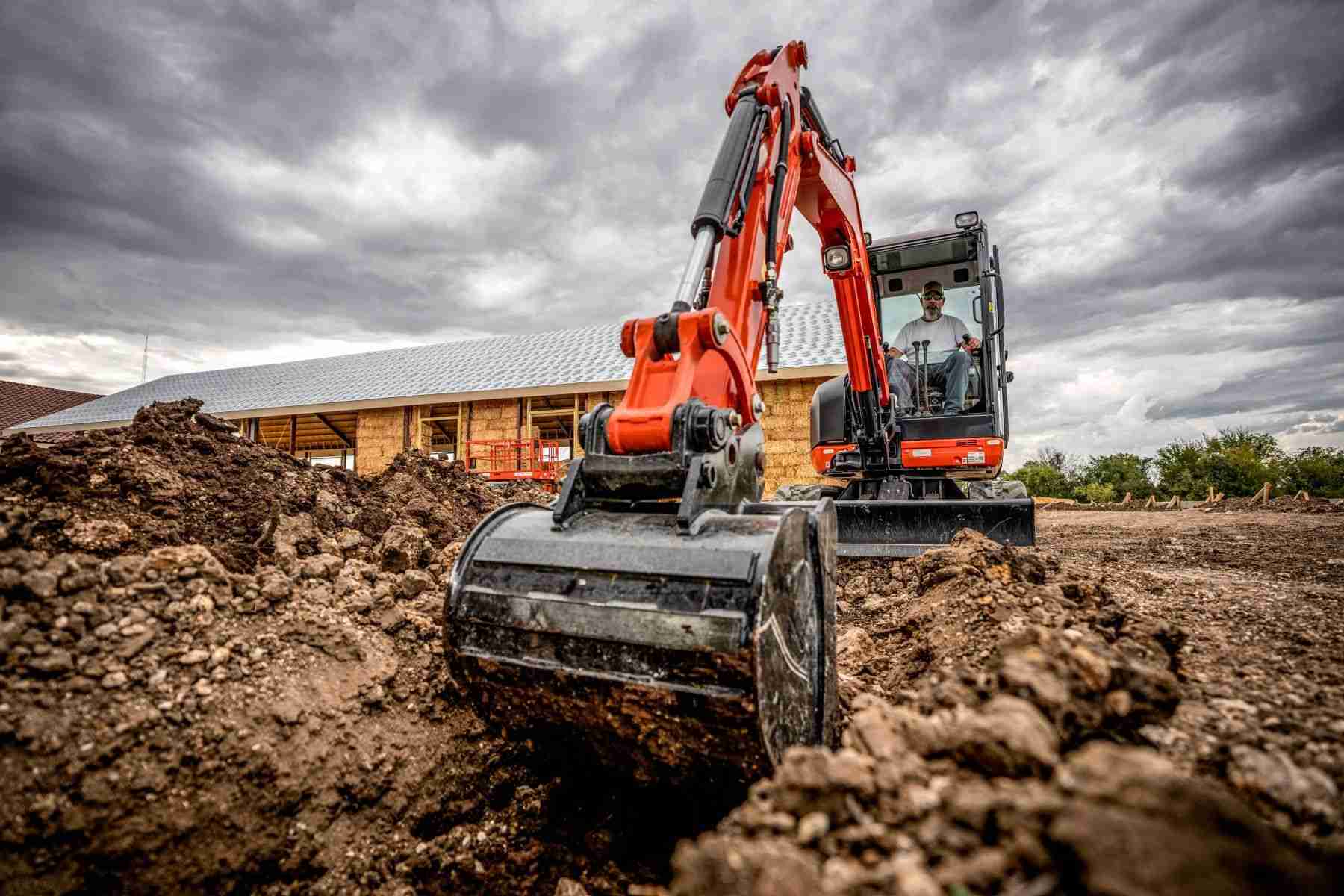
Check the plans for the deep end, then add for the floor thickness and any overdig the builder wants. Compare that to the machine's maximum dig depth, and remember that maximum is measured straight down with the arm fully extended. A machine that reaches 7 feet on paper is not comfortable shaping a floor at 7 feet.
Bucket sizes
A wide bucket moves bulk dirt fast in the shallow end. A narrow bucket is better for steps, benches and tight corners. Ask what comes with the rental. The mini excavator attachments guide covers the options.
Walls, benches and cave-ins
Pool walls are cut steep so the shell can be shot against them. Anyone working at the bottom of a deep excavation is in a hazard zone, and Cal/OSHA requires a permit and a protective system for many excavations 5 feet or deeper that workers enter. Check Cal/OSHA requirements for your job, and if the soil is falling in, stop and get a pro or a soils engineer to look at it.
Where the Dirt Goes
Dirt grows when you dig it. It does not shrink back when you look at it.
Spoil is usually the part of a pool dig that blows up the schedule and the budget. Dug soil fluffs up, often 20 to 30 percent by volume as a rough rule of thumb, more for clay and rock. And it is heavy, roughly a ton or more per loose yard depending on moisture.
A worked example, round numbers
Say a hypothetical pool is 15 by 30 feet with an average depth of 5 feet. That is 2,250 cubic feet, or about 83 cubic yards in the ground. Add overdig and you are near 90. Add 25 percent swell and you are hauling something like 110 to 115 loose yards. If your truck safely carries 5 yards by weight, that is more than 20 trips. Check the payload of whatever truck you use, because weight runs out before volume does.
Your options
Truck rentals need proof of insurance under PDQ's posted rental policies, and the collision waiver on trucks is listed there too. The signed rental contract is what governs. For the full planning side, read planning spoil removal before you dig.
Rock, Caliche and Clay
Southern California ground is not one thing. Coastal San Diego County can be sandy. Much of LA County sits on clay that sticks to the bucket and swells when wet. Riverside County and the rest of the Inland Empire are known for decomposed granite, buried boulders and caliche, a cemented layer that can feel like sidewalk.
Signs you are in for a long dig
The neighbor's pool took a breaker. The landscaper gave up on post holes at a foot. Ask around before you book.
Equipment that helps
A bigger, heavier excavator with rock teeth tears through more than a light one. A hydraulic breaker on the excavator splits what the bucket cannot. Some rock is past what a mini excavator should take on, and the honest answer is a specialist with heavier gear. A thumb sorts boulders from soil so you are not hauling rocks you could reuse.
Clay and water
Expansive clay is easier to dig than rock and worse to haul. Dig it dry if you can, and keep the spoil covered if weather is coming.
Protecting the Yard and What Is Buried in It
Call 811 at least two working days before digging. DigAlert serves Southern California and will have the public utilities marked. That does not cover private lines on your property: sprinkler mains, power to a detached garage, landscape lighting, gas to a fire pit, and the lines from an old pool or spa. Locate those yourself and pothole by hand near them.
The route in and out
Tracks turning on pavers, stamped concrete or a driveway can scuff or crack them. Lay down mats or plywood along the route and photograph every existing crack before the machine arrives. Our guide to protecting driveways and finished surfaces covers what works.
Septic, slabs and footings
Know where the septic tank and leach field are before a loaded machine drives over them. Keep clear of house footings and retaining walls, and ask the pool engineer if unsure.
After the dig
Backfill around plumbing and behind walls needs compaction in lifts, not a pile pushed in with a bucket. The compaction equipment guide covers plate compactors and rammers for that part.
For rental terms, PDQ's posted rental policies say a day rate covers 24 hours in your possession with up to 8 hours of use, and that items stay your responsibility from delivery to return. The signed rental contract governs. Everything else, ask, and see our rental policies page. The full fleet is on the PDQ rentals site.
The Short Version
Measure the access first
The narrowest point between the street and the hole picks your machine, not your preference.
Biggest machine that fits
A 3 to 5 ton mini digs faster and deeper. A micro gets through the gate but takes longer.
Plan the dirt before the dig
Count the truckloads and find the dump site first. Spoil is often the biggest cost.
Hire it out if you are new
A pool next to a house is not a first excavator job. A pool builder is often the cheaper mistake.
Seven Questions Before You Book the Dig
- What is the narrowest point between the street and the pool, including overhead?
- How deep is the deep end on the plans, and what is this machine's max dig depth?
- Do I need a loader to carry spoil to the truck, or can trucks get near the hole?
- How many yards of loose spoil will this make, and where is it going?
- Is the ground rock, caliche or clay, and do I need a breaker or a thumb?
- Have I called 811 and located the private lines the utility will not mark?
- Who is responsible for walls over 5 feet, and has anyone checked Cal/OSHA requirements?
Straight Answers
What size excavator do you need to dig a pool?
Most residential pools are dug with a 3 to 5 ton mini excavator, often paired with a skid steer or track loader. If access is too narrow for that, a smaller machine or a micro excavator can do it but slower, and you need to confirm it reaches the deep end.
Can a mini excavator fit through a side gate?
Some can. Micro excavators with retractable tracks can narrow to under 3 feet, while most 3 to 5 ton machines need roughly 5 to 6 and a half feet. Measure the narrowest point in the side yard, not just the gate, and check the exact spec sheet.
How long does pool excavation take?
An experienced operator with the right machine and good access can often dig a typical backyard pool in one to three days. Rock, caliche, tight access, a small machine or slow truck turnaround can stretch that to a week or more.
How much dirt comes out of a pool dig?
A hypothetical 15 by 30 foot pool averaging 5 feet deep is about 83 cubic yards in the ground. Dug soil swells roughly 20 to 30 percent, so expect well over 100 loose yards to haul or reuse.
Can I dig my own pool with a rented excavator?
You can if you have real operating experience, the plans, and a plan for the spoil. Most homeowners are better off hiring a pool builder or excavation crew because the dig must match engineered plans, pass inspection and stay safe near the house.
Do I need to call 811 before digging a pool?
Yes. Call 811 at least two working days before digging. DigAlert marks public utilities in Southern California, but private lines such as sprinklers, landscape lighting and old pool or spa lines are usually not marked, so locate them and dig by hand near them.
We Would Like to Rent You an Excavator
That is what this page was for. A rental company wrote 2,000 words about digging holes, and the punchline is that you should call the rental company. We know.
Send us the gate width, the deep end on the plans and what the ground looks like. We will tell you which machine fits, whether you need a loader and trucks with it, and when the smarter move is to let your pool builder handle the whole thing.
We have watched a lot of pool digs since 1952. The ones that go well were measured before anyone unloaded anything.