

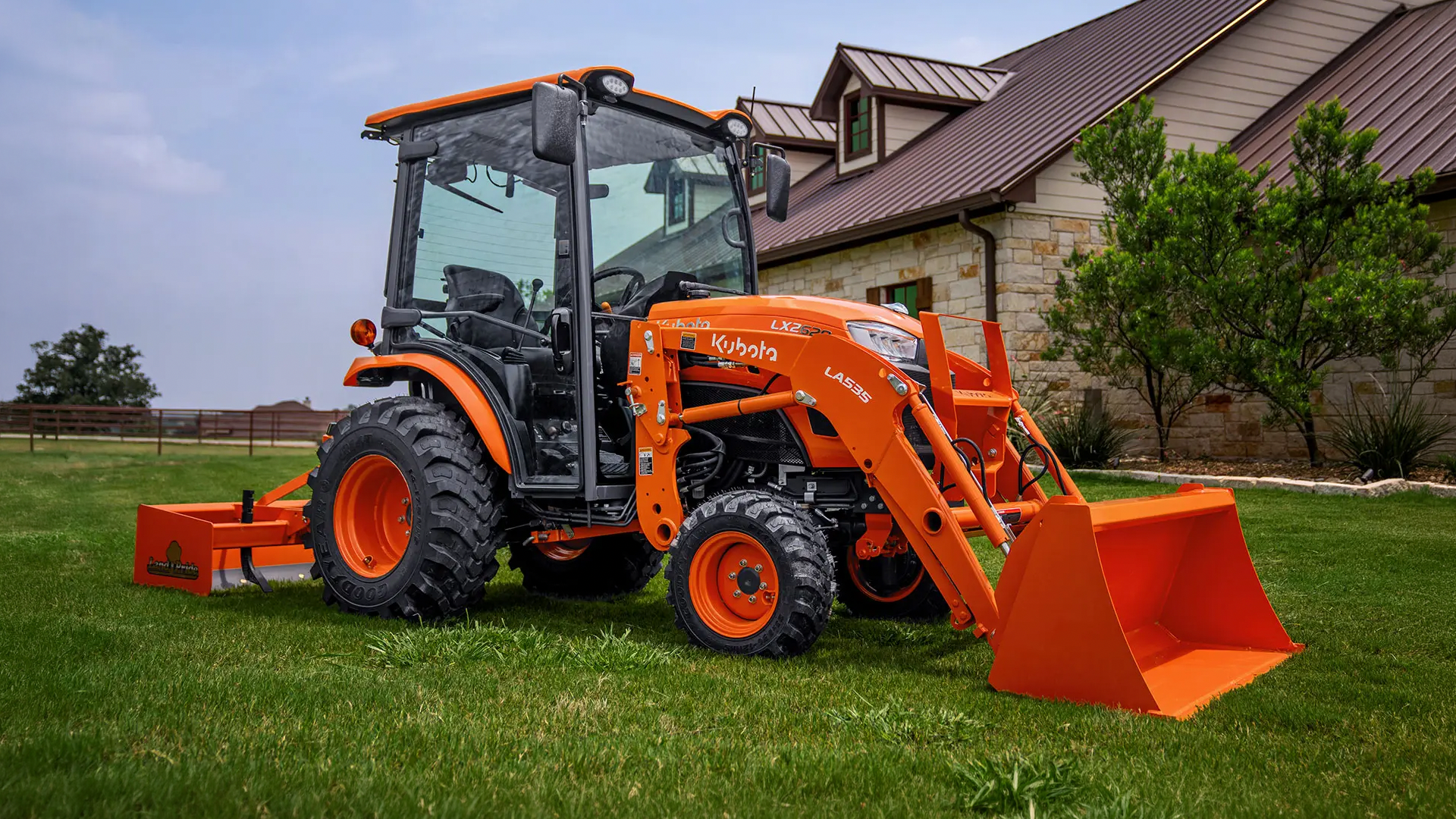
Power Outages on Acreage: Planning a Generator Rental Before the Storm The well, the gate, the stock tank and the freezer. List the loads, size it honestly, and keep the thing out of the garage
Disclosure. We rent generators, so we would like you to rent one from us. We would also like you to rent the right size, run it safely, and not call us at midnight because it cannot start your well pump.
Short answer: Plan a generator rental before the storm by listing the loads you truly need during an outage (well pump, refrigeration, gate, sump or drainage pumps), adding up their running watts, and sizing for the biggest motor's starting surge. Reserve early, because outages spike demand for every generator in the county. Never run it in a garage, and never connect it to your house without a transfer switch installed by a licensed electrician.
In town, an outage is an inconvenience. On acreage, it is the water.
This guide is for people on a few acres in LA County canyons, the Riverside County backcountry or inland San Diego County who want a plan before the next storm, not a scramble during it.
Jump to what you came for
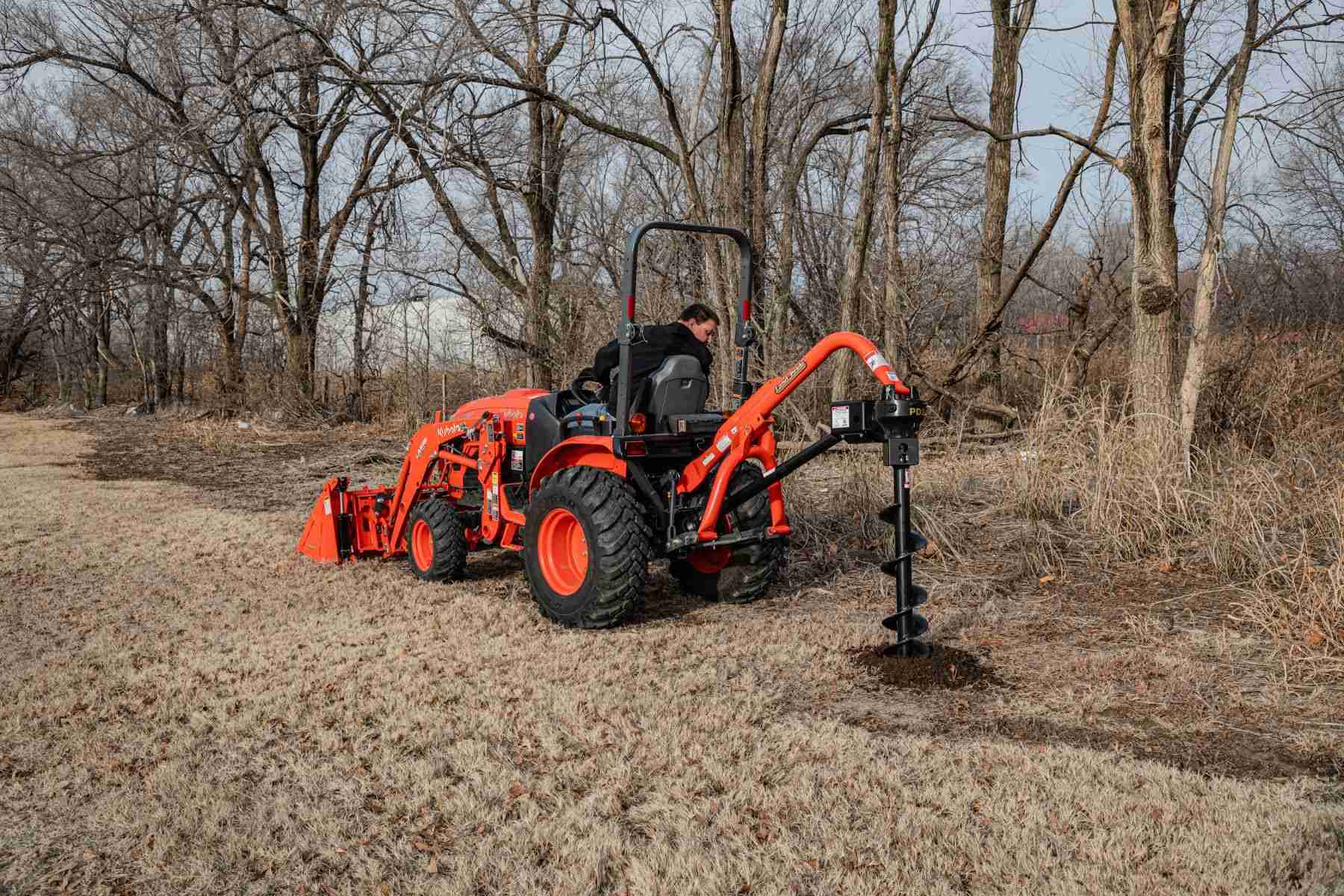
Why a Power Outage Hits Acreage Harder
NOAA's U.S. Winter Outlook, released October 15, 2026, favors wetter than average conditions across the southern tier of the country, California included, for December 2026 through February 2027. That raises the odds of a wet winter. It does not guarantee one. The strong El Nino of 2015 to 2016 underdelivered in Southern California.
Still, wind and rain knock down lines, and rural lines tend to come back last. Here is what goes dark.
The well pump
No power, no water. Drinking, flushing, livestock, and the hose you planned to use if a fire came through.
Livestock water and feed
Automatic waterers and stock tank pumps stop. The horses keep drinking anyway.
Gates, sump pumps and drainage pumps
An electric gate with no battery backup can trap you on the property or keep a fire truck out. A drainage pump that quits mid-storm is how a dry barn becomes a wet one. If drainage is your bigger worry, our stormwater pump rental guide covers pumps that run on their own engines.
Refrigeration and medical needs
Freezers, refrigerated medications and powered medical equipment. If someone relies on medical devices, see the last section.
Planned shutoffs, too
Southern California utilities can turn off power ahead of strong winds in high fire risk areas, usually called Public Safety Power Shutoffs. Santa Ana season overlaps early storm season, so one plan covers both.
List Your Loads Before You Size a Generator Rental
The generator does not care what you want to run. It cares what you plug in.
Walk the property with a notepad and write down every load you need during an outage. Not want. Need.
Running watts vs starting watts
Every electrical load has a running wattage, what it draws once it is going. Motors also have a starting draw, a short surge when they kick on that can be several times the running number. Well pumps and fridge compressors are the usual offenders. The generator must cover all running loads plus the biggest surge at one time.
A worked example, round numbers
Hypothetical property, made-up round figures. Say the well pump runs at 1,500 watts and surges to roughly three times that on start. The fridge and freezer together run 600. A gate opener and some lights add 400. Running total: 2,500 watts. Add the pump's extra surge and you need a generator that can handle around 5,500 watts for a moment,, with headroom.
| Load | Startup surge | What to check |
|---|---|---|
| Deep well pump | High | Voltage (often 240), horsepower, nameplate amps |
| Refrigerator or freezer | Moderate | Can it cycle on a schedule instead of running nonstop |
| Sump or drainage pump | Moderate to high | Plug type, whether an engine-driven pump makes more sense |
| Electric gate | Low to moderate | Battery backup, manual release you know how to use |
| Lights, phones, radio | Low | Small inverter generator or batteries may cover it |
For the deeper math, read our guide to construction generator sizing.
Portable or Towable Generator Rental
Two rough camps. Ones you can lift into a truck bed, and ones on a trailer.
| Factor | Portable | Towable |
|---|---|---|
| Output | Small to moderate loads | Bigger loads, more circuits |
| Getting it home | Pickup bed | Tow vehicle and hitch, or delivery |
| Fuel | Usually gasoline | Often diesel, larger tank |
| Run time per fill | Shorter | Longer |
| Placement on wet ground | Easy to move | Needs a firm spot and a way in |
| Theft risk | Higher, easy to walk off | Lower, but chain it anyway |
When portable is enough
If your list is a well pump, a fridge and some lights, a portable unit sized to cover the pump's surge is often plenty. Rent the smaller thing if it covers the list.
When towable makes sense
Big 240 volt well pumps, multiple barns, or a shared well. More output, longer run time, and it needs a truck rated to pull it. Our trailer towing guide covers California towing basics, and they apply here too.
Getting a delivery truck up your road
Delivery and pickup are available, with rates that vary by equipment and location, per our posted policies. But wet decomposed granite and clay roads, common from LA County to San Diego County, do not hold up loaded trucks. Read whether a delivery truck can reach your property after heavy rain before you count on a drop-off mid-storm.
Hookup and Safety: The Rules That Do Not Bend
Generators kill people every storm season, usually two ways. Carbon monoxide, and backfeeding.
Rain, shelter and the generator
PDQ's posted rental policies say rental items should be secured and protected from the weather, and that responsibility stays with you from delivery to return. The signed rental contract is what governs. Protected does not mean shut in a shed. Ask the branch what cover is allowed for that unit. Open air, level ground, exhaust away from the house.
Life safety comes first
If your county issues an evacuation order, leave. The freezer is not worth staying for. Never refuel in moving water or near a slope that is letting go. Equipment is for before the storm and after the all clear, never during.
Fuel, Run Time and the Rental Clock
A generator running 24 hours a day is a different rental than one running 8.
Fuel planning
Ask how long a tank lasts at your load, then plan for a multi-day outage. Gas stations lose power too.
How hour meters change the bill
PDQ's posted rental policies say a day rate covers 24 hours in your possession with up to 8 hours of use, a week rate covers 7 consecutive days with up to 40 hours, and a 4-week rate covers up to 160 hours. Hour-metered items are based on 8 hours per day. Use over 8 hours a day is charged as overtime at 1.5 times the regular rate up to 16 hours, and 2 times the regular rate up to 24 hours. The signed rental contract governs, so read it.
Run a metered generator around the clock and that overtime adds up. For how day, week and month rates compare over a long outage, see our daily vs weekly vs monthly rental math.
Security
Generators walk off during outages. Chain it to something solid and keep it where you can see it.
Reserve Before the Storm, Not During the Outage
When the lights go out across a canyon in LA County or a valley in Riverside County, everyone calls at once. The generator you wanted Tuesday is in someone else's driveway by Wednesday.
PDQ's posted rental policies say reservations are welcome and to call for availability, and that prices change, so call for quotes. The signed contract governs. Cancellation terms: ask, and read the rental policies before you book.
What to have ready when you call
Your load list, the voltage of your well pump, whether you will pick it up or need delivery, and what your road looks like after rain. A valid California driver's license is required for all rentals per the posted policies, and payment is due at pickup.
Reserve now or wait
If you already know your loads and a storm is a few days out, reserving makes sense. If you are not sure you need one, think about whether rain days would leave it sitting idle on the clock. Our sibling guide on whether to reserve equipment now or wait walks through that call.
Generators are one line on a longer list. Our El Nino property checklist covers drainage, slopes and the road out, and the older compact equipment for El Nino storm prep guide covers the machines.
When a Generator Rental Is the Wrong Answer
If outages are routine, look at a standby system
If you lose power several times a year, a permanent standby generator installed by a licensed electrician may beat renting every time. We do not rent those. Get electrician quotes.
If you only need phones and lights
A battery power station or a small inverter generator may cover it.
If medical equipment is involved
Plan with your doctor, and ask your utility whether it has a program for customers who rely on powered medical devices. We do not give medical advice. A rental can be part of the plan, not the whole plan.
If you need light more than power
For lighting a work area after a storm, a light tower may fit better. See our light tower rental guide.
The Short Version
Make the load list first
Well pump, refrigeration, gate, pumps. Running watts plus the biggest surge, and check the well pump's voltage.
Rent the smallest one that covers it
A portable unit often handles a pump and a fridge. Go towable for big 240 volt pumps or multiple buildings.
No garages, no backfeeding
At least 20 feet from windows, doors and vents. Transfer switch installed by a licensed electrician, or cords straight to appliances.
Reserve before the forecast turns
Outages empty rental yards fast. Run it in shifts to save fuel and metered hours.
Seven Questions to Answer Before You Book
- What loads do I truly need during an outage, and what are their running and starting watts?
- Is my well pump 120 or 240 volts, and does this generator offer that?
- Do I have a transfer switch, or will I run cords directly to appliances?
- Where will it sit, at least 20 feet from windows, doors and vents, on firm level ground?
- How much fuel will I store, and where, for a multi-day outage?
- Is it hour-metered, and how will running it in shifts change the bill?
- Can I tow it, or can a delivery truck reach my property after rain?
Straight Answers
What size generator do I need to run a well pump?
It depends on the pump's horsepower and voltage. A well pump can draw several times its running watts for a moment at startup, so the generator must cover that surge plus anything else running. Check the nameplate and the voltage.
Can I plug a generator into a wall outlet during a power outage?
No. Backfeeding through an outlet can energize utility lines and kill line workers To power your panel you need a transfer switch installed by a licensed electrician. Otherwise run outdoor-rated cords straight to the appliances.
How far from the house should a generator be?
The CDC says at least 20 feet from windows, doors and vents, and never in a house, garage, crawl space or shed. Use carbon monoxide alarms inside.
Can a rental generator run 24 hours a day?
Many can if you keep them fueled, but hour-metered rentals are typically based on 8 hours of use per day and longer use can be charged as overtime. Check the contract and run it in shifts.
Should I rent a portable or towable generator for a power outage?
A portable generator often covers a well pump, refrigeration and lights. A towable generator fits bigger 240 volt loads, multiple buildings or long run times, but it needs a tow vehicle or delivery and firm ground to sit on.
When should I reserve a generator rental before a storm?
Before the outage, ideally once you know your loads and a storm is a few days out. Once the power is out, everyone is calling.
A Rental Company Wrote a Generator Guide. Shocking.
You noticed. We rent generators, and this page exists so you think of us the next time the power goes out. That is the ad. We just tried to make it useful first.
Bring your load list and the voltage on your well pump. We will help you figure out what size you actually need, and tell you if the honest answer is a smaller unit, an electrician, or nothing from us at all.
Since 1952, the call we hate most is the one that starts with "it's in the garage and it's running."