

Will Your Property Be Ready for El Nino? An Equipment Planning Checklist for SoCal A walk around the property, a calendar, and an honest split between what you can rent, what you should hire out and what belongs to the county
Disclosure. We rent and sell the pumps, loaders, dump trucks and generators this checklist keeps bringing up. So yes, we profit when you prep. We also know a lot of this list costs nothing but a Saturday and a shovel.
Short answer: Maybe. NOAA's winter outlook for El Nino 2026 favors a wetter than average December through February for Southern California, but El Nino raises the odds of a wet winter, it does not guarantee one. Walk your property in November, clear the drainage paths, fix the road out, and line up pumps, power and contractors before the first big storm instead of during it.
A forecast is a weighted coin. Your culvert does not care which way it lands. It is either clear or it is not.
This is not a guide to which machine to buy. Our older piece on compact equipment for El Nino storm prep covers that. This one is the planning list: what to look at, in what order, by what date, and who should be doing each job.
Jump to what you came for
What the El Nino 2026 Forecast Actually Says
The NOAA U.S. Winter Outlook, released October 15, 2026, favors wetter than average conditions across the southern tier of the country, California included, for December 2026 through February 2027. The Climate Prediction Center described a very strong El Nino developing, and forecasters gave high odds it would rank among the strongest on record.
Odds are not a promise
El Nino tilts the odds toward a wet Southern California winter. It does not guarantee one. The strong El Nino of 2015 to 2016 got a lot of hype and underdelivered here.
But the bad years were really bad
Downtown Los Angeles averages about 14 inches of rain in a water year. The strong El Nino winters of 1982 to 1983 and 1997 to 1998 each brought more than 30 inches, according to National Weather Service figures.
So plan for it, do not panic about it
Most of this list is cheap and worth doing in any winter. Clearing a ditch is not a bet on El Nino.
Follow the Water First
Walk it on a dry day. Start at the high point and follow where water would go until it leaves. Every place it pools or turns toward a building goes on your list.
Drainage paths and swales
Culverts and ditches
A culvert half full of silt carries a lot less than half its water. Check both ends. If you can not see daylight through it, it is not ready.
Roof, gutters and downspouts
The cheapest flood prevention there is. Clear the gutters, then check where each downspout dumps. Water splashing against a foundation ends up in the garage or under the slab.
Where the water leaves your property
Redirecting runoff onto a neighbor's property is a fast way to a lawsuit. Any change to where water leaves the lot belongs with a licensed contractor, a civil engineer or your city, not a weekend rental.

The Road Out, the Slopes and the Power
The driveway or private road
If one dirt or gravel road is your only way out, it is the most important thing on this list. Look for a lost crown, potholes and soft spots. Wet clay and decomposed granite lose their strength, and a loaded truck can rut a road that felt fine in August. Our sibling guide on private road repair before storm season walks through the fixes. If you share the road, talk to the neighbors and check any road agreement before anyone starts grading.
Slopes and burn scars
After a wildfire, burned soil can repel water and the vegetation that held the hill is gone, so rain runs off fast and can carry mud, ash, rocks and trees as a debris flow. Risk is highest in the first few years after a fire. The Palisades and Eaton fires of January 2025 left large burn scars in LA County, and plenty of hillsides in Riverside County and San Diego County carry older ones.
Brush, trees and loose debris
Dead brush and loose lumber float and clog culverts. Move them now. Bigger jobs are covered in our brush clearing equipment guide.
Power
Storms knock out power, and in high fire risk areas the utility may shut it off during wind events. A well, a sump, an electric gate or powered medical equipment (plan that part with your doctor) all need a backup plan. Our generator rental planning guide covers sizing and safety. Never backfeed a house through an outlet. Connecting to the panel requires a transfer switch installed by a licensed electrician.
What to Do by When
The forecast window that matters runs December through February. That means November is for looking and fixing, not December 23rd with rain in the forecast and every pump in the county already rented.
| When | Do this | Likely help |
|---|---|---|
| November | Walk the property. Clear gutters, swales, culverts. Grade the road. Haul off brush. Get contractor bids for anything structural. | Rental tractor, loader or dump truck for the big stuff |
| Early December | Stage sandbags and sand. Test any generator. Decide which pump fits your low spot. Ask about reservations. | City or county for bags, supply yard for sand |
| Storm in the forecast | Fuel up, move vehicles to high ground, pick up loose items, confirm any rental is on site. | Reserved pump or generator |
| During a warning | Follow evacuation orders. Stay off the equipment. | No machines, no exceptions |
| Between storms | Re-clear culvert inlets, check the road, top up sandbag walls, note what failed. | Small loader or hand tools |
| After the all clear | Safety check, photos for insurance, then clear access first. | Grapple, bucket, dump truck |
Why November
Ground is firm, trucks can reach you, and contractors have room on the schedule. All of that gets worse once it rains.
Sandbags take longer than you think
Many LA County fire stations and city yards hand out free sandbags during storm season, but supplies vary, so check before you go. A filled bag runs roughly 35 to 40 pounds. We do not sell sand or bags. Our guide on equipment for moving sandbags and sand covers the hauling side.
Who Does What: You, a Contractor or the County
Renting a machine does not make you an excavating contractor. Some jobs are a weekend rental. Some need a license. Some belong to the county.
| Job | DIY with a rental | Hire it out or call the county |
|---|---|---|
| Clearing swales and small ditches | Usually fine | Only if it is long or deep |
| Regrading a gravel driveway | Fine with a tractor and box blade | Grading contractor for long or steep roads |
| Hauling brush and dirt | Dump truck or loader | Hauler if you lack a legal place to take it |
| Pumping a flooded pad or excavation | Rental pump | Recurring flooding needs drainage work |
| Retaining walls, debris basins, slope repair | No | Civil engineer, licensed contractor |
| Public culverts, storm drains, county roads | No | City or county |
If you are renting
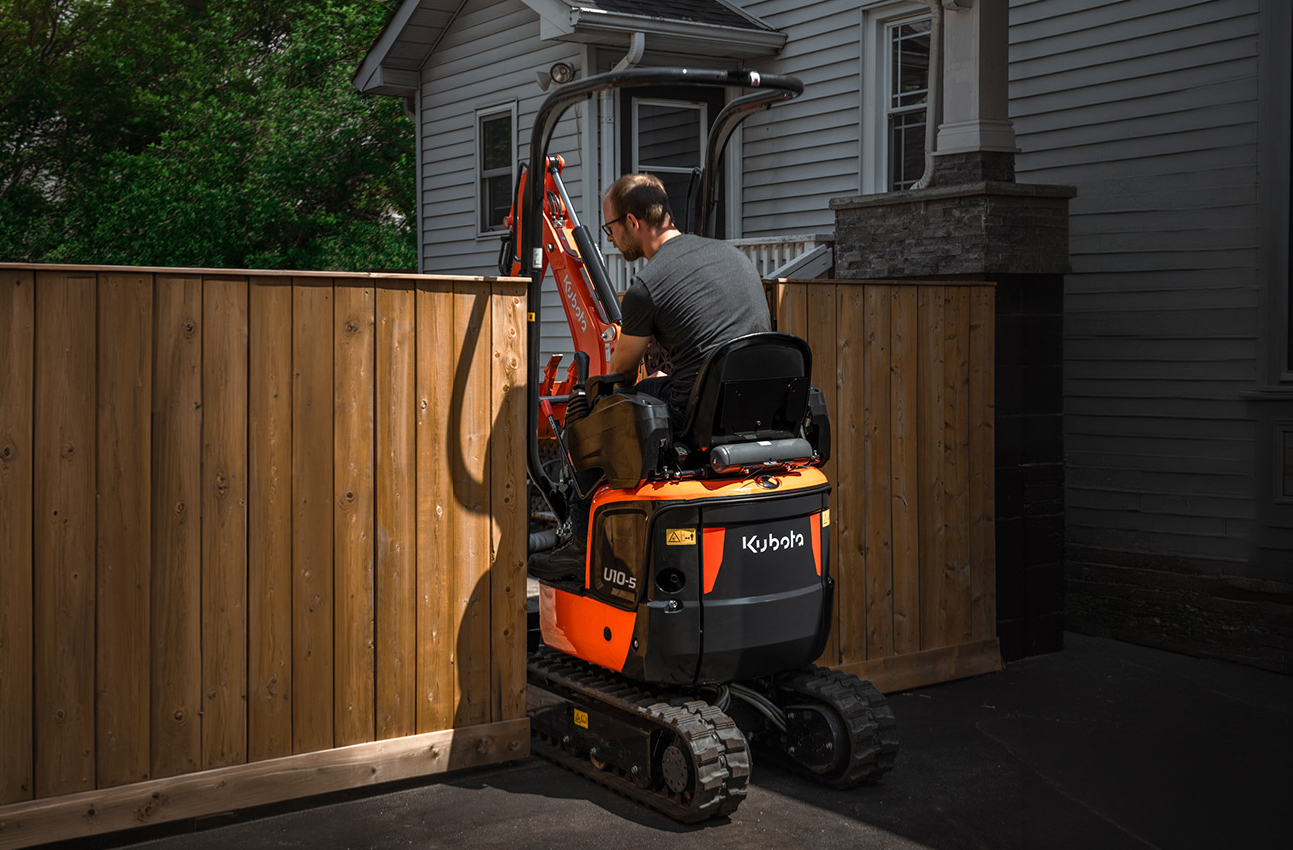
Call 811 (DigAlert serves Southern California) at least two working days before you dig. They mark public utilities, not private ones, so sprinkler mains, lines to a detached garage and pool or spa lines are on you. Locate them or pothole by hand. Measure the gate before you book. A tight side yard in San Diego County may need a smaller machine than you pictured.
Which pump, if any
Muddy water kills clear-water pumps. A trash pump is usually the call for stormwater with dirt and gravel in it. Our guides on stormwater pump rentals and trash pump vs. water pump break it down. And check with your city before you pump sediment-laden water into a street storm drain.
What our posted policies say about rain
PDQ's posted rental policies say reservations are welcome and to call for availability. They also say that if rain keeps you from using the equipment, you need to notify PDQ the morning of that day so they can decide whether a credit can be extended. Responsibility for rental items stays with the customer from delivery to return, and items should be secured and protected from the weather. The signed rental contract is what governs. For cancellation terms, ask. Our guide on whether to reserve equipment now or wait covers the timing question, and what happens when a job gets delayed covers the clock.
During a Warning, Park the Machine
Equipment is for before the storm and after the all clear. Never during.
Debris flows can start with short bursts of intense rain, not just long storms, and the National Weather Service issues flash flood and debris flow warnings for burn areas. When your county issues an evacuation order, go.
After the Storm: Clear Access First
When the all clear comes, slow down. There is an order to this.
Safety, photos, utilities
Check for downed lines, gas smells and undermined ground. Photograph everything before you move it, for insurance. Then utilities.
Then the road out
Clear the road so emergency vehicles and delivery trucks can get in. Delivery trucks are long and need firm ground and room to turn. Our sibling guide on whether an equipment truck can reach you after rain covers the access question, and ground protection mats help keep a wet lawn from turning into ruts.
Match the machine to the mess
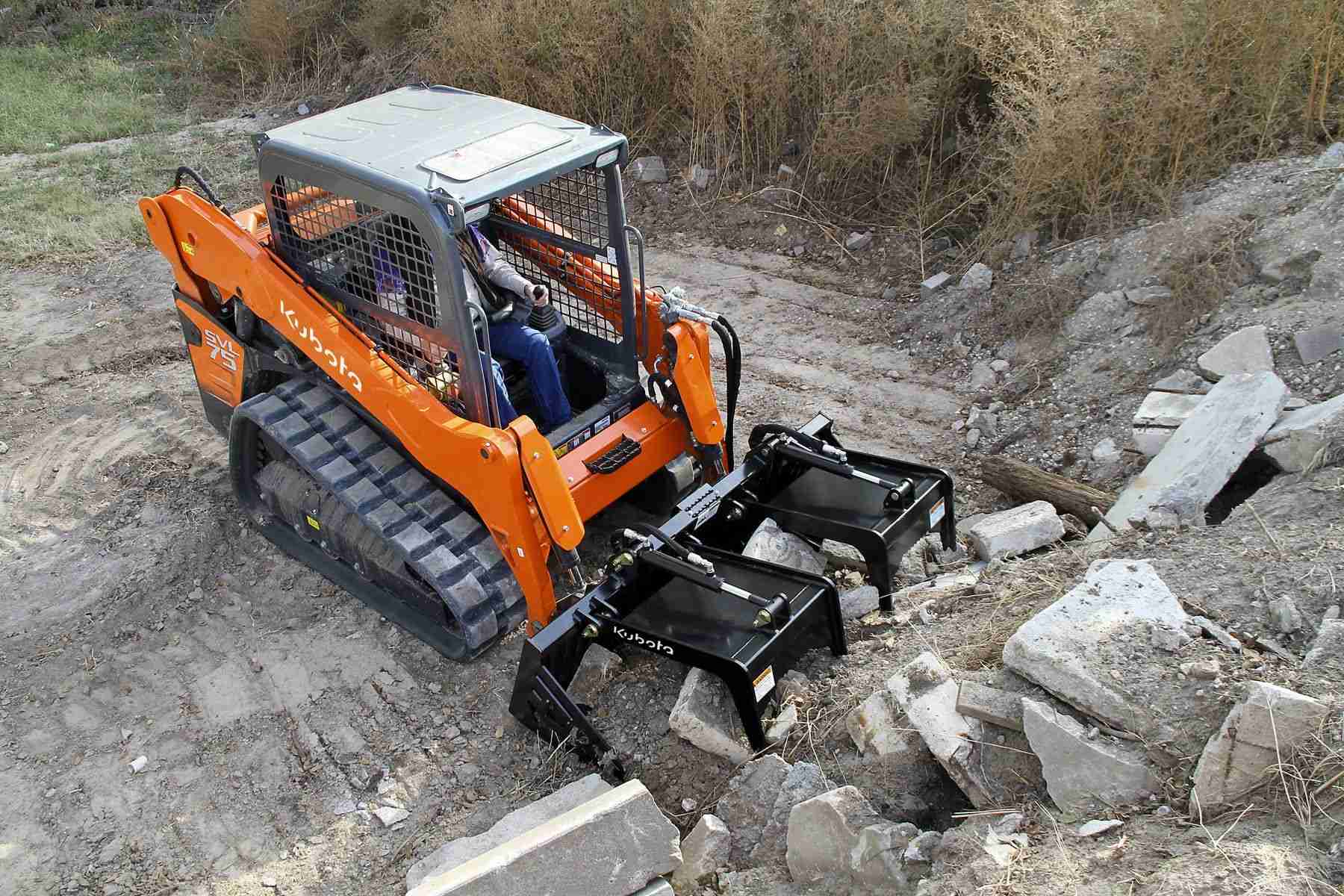
A grapple for brush and broken material, a bucket for mud, a mini excavator for ditches and culverts, a dump truck to haul it away. Keep green waste, dirt and mixed debris in separate piles, because they go to different places. Our guide on storm debris removal equipment goes deeper, and dirt removal covers where the dirt can legally go. Do not push mud into the storm drain or onto the neighbors.
Write down what failed
The culvert that overtopped is next November's list.
The Short Version
Walk it in November
Follow the water from high point to exit on a dry day. Fix what you find while the ground is firm.
Wetter odds, not a guarantee
NOAA favors a wet winter. Prep that is worth doing anyway is the prep to do first.
Know your lane
Ditches and driveways are rentals. Slopes and walls are engineers. Public drains are the county.
Machines before and after
Never during a warning, never in moving water, never on a soaked slope.
Seven Things to Check Before December
- Can I see daylight through every culvert, and are both ends clear?
- Where does every downspout dump, and is any of it against a wall?
- Does water leave my property the same way it always has, and not onto a neighbor?
- Is my road out crowned, rocked and firm enough for a loaded truck?
- Is there a slope or burn scar above me that needs an engineer or contractor?
- What needs power if the lights go out for three days, and how will I run it safely?
- Where do I get sandbags, and who is moving the sand?
Straight Answers
Will El Nino 2026 bring a wet winter to Southern California?
It raises the odds. NOAA's winter outlook released October 15, 2026 favors wetter than average conditions across the southern tier of the U.S., including California, for December through February. It is not a guarantee.
When should I start preparing my property for El Nino?
November, while the ground is dry and firm and contractors and rental equipment are easier to get.
Where can I get free sandbags in Los Angeles County?
Many LA County fire stations and city yards hand out free sandbags, and sometimes sand, during storm season. Supplies vary, so call or check online before you go.
Can I fix a hillside or slope myself before the rain?
Small cleanup such as clearing debris from a drainage path is fine. Anything structural, such as retaining walls, deflection barriers or debris basins, needs a civil engineer or licensed contractor.
Should I rent a pump before a storm?
If you have a known low spot such as a garage pad, pool equipment area or open excavation, it makes sense to pick the pump and ask about reserving it ahead of time. A trash pump usually handles muddy stormwater better than a clear-water pump.
Is it safe to use a skid steer or excavator during a storm?
No. Equipment is for prep before the storm and cleanup after the all clear. Do not operate machines in moving water or on saturated slopes, and follow evacuation orders when your county issues them.
Fine, Here Is the Sales Part
You just read a checklist written by a company that rents pumps, loaders, dump trucks and generators. You probably noticed every other item had a machine attached. We noticed too.
Tell us what you found on your walk. We will tell you which parts are a rental from the PDQ rentals site, which parts need a contractor, and which parts just need a rake and a free afternoon.
Since 1952 we have rented a lot of pumps the morning after a storm. We would rather rent you a smaller one the week before.