

Storm Prep Near a Burn Scar: What Property Owners Should Ask Before Hiring a Contractor The questions that sort good bids from bad ones, and why nobody belongs on that slope once a warning goes out
Disclosure. We rent and sell the track loaders, mini excavators and dump trucks a contractor would bring to your hillside, so we make money when this work happens. We would still rather you hire the right contractor than the first one with a trailer.
Short answer: Before you hire anyone for storm prep near a burn scar, check their California contractor's license on the CSLB website, get proof of insurance, ask what burn area work they have done, and ask who designed the plan and exactly where the water and debris will go. Anything structural, like a wall, deflection barrier or debris basin, should involve a civil engineer and your county. And the plan should say plainly that crews and machines leave the slope the moment a flash flood or debris flow warning is issued.
A burned hillside does not care how nice the bid looked.
If you live below or beside a burn scar in LA County, the Palisades and Eaton fires of January 2025 probably made this personal. Older scars in Riverside County and San Diego County are still a problem too. Burn scar flooding does not wait for a big named storm.
NOAA's U.S. Winter Outlook, released October 15, 2026, favors wetter than average conditions for California from December through February, and the Climate Prediction Center described a very strong El Nino developing. That raises the odds of a wet winter. It does not guarantee one. The 2015 to 2016 El Nino was strong and still underdelivered here. For the whole property, not just the slope, start with our El Nino 2026 property planning checklist.
Jump to what you came for

Why Burn Scars Flood Differently
After a wildfire, burned soil can repel water instead of soaking it up. The brush and roots that held the slope together are gone. So rain runs off fast and picks up whatever is loose: mud, ash, rocks, whole trees. That moving slurry is a debris flow, and it can arrive with very little warning.
It does not take a big storm
Debris flows can start with a short burst of intense rain, not just a long soaking storm. A forecast that sounds mild for the flats can be serious for a hillside that burned. Risk is highest in the first few years after a fire, which puts the 2025 scars squarely in the window.
Life safety comes first, and it is not close
The National Weather Service issues flash flood and debris flow warnings for burn areas. When your county issues an evacuation order, go. Do not stay to "just clear the culvert." Equipment is for prep before the storm and cleanup after the all clear. Never during. Never in moving water. Never on a soaked slope while rain is still falling.
Nothing here is engineering. We will tell you what the machines do. Your county and a licensed engineer tell you where a wall goes.
Who Should Do What on a Burned Slope
Most burn area storm prep falls into four buckets. Putting each job in the right bucket is half the battle.
The county and the city
Start here. LA County Public Works offers burn area guidance and free sandbags, and many cities and fire stations hand out bags during storm season. Riverside County and San Diego County residents should check their own county and city sites. Ask what is planned upstream of you.
A civil engineer
Anything structural, such as a wall, a deflection barrier or a debris basin, needs someone who designs those for a living. A barrier that is too small or aimed wrong can fail, or send the flow somewhere new.
A licensed contractor
Builds what the engineer designed, clears drainage, hauls debris. Brings the machines.
You
Drains, sandbags, valuables and an exit plan. Real work. Not slope engineering.
Questions to Ask a Contractor Before You Hire Them
Burn area work draws good contractors and opportunists at the same time. These questions sort them quickly. A good contractor will not mind a single one.
Are you licensed and insured?
Get the license number and look it up yourself on the Contractors State License Board (CSLB) website. Check that it is active. Ask for a certificate of insurance, and ask about workers' compensation if they have employees.
Have you worked on burn areas before?
Ask where, and what happened when it rained. Disturbing it carelessly can make the next storm worse.
Who designed this plan?
If the answer for a wall, barrier or basin is "we always build them like this," keep looking. Ask whether a civil engineer is involved and whether the city or county has reviewed it.
Where will the water and debris go?
Make them walk it with you, on the ground. Not onto a neighbor's lot. Not into a storm drain loaded with sediment without checking local rules first.
What happens if a warning is issued mid-job?
The only good answer: work stops, machines get parked off the slope and out of any drainage path, and people leave. Ask where equipment will sit overnight.
Who handles permits, and who cleans up after each storm?
Grading and walls often need permits, and the rules vary by city and county, so ask who is responsible for checking. Then ask about the part everyone forgets. Basins and barriers only work if somebody empties them after each storm. Get that in writing, with a response time.
The Equipment a Contractor Might Bring
You do not need to run these. You should know what each is for, so you can tell whether the plan and the machine match.
| Machine | Typical job | Question to ask |
|---|---|---|
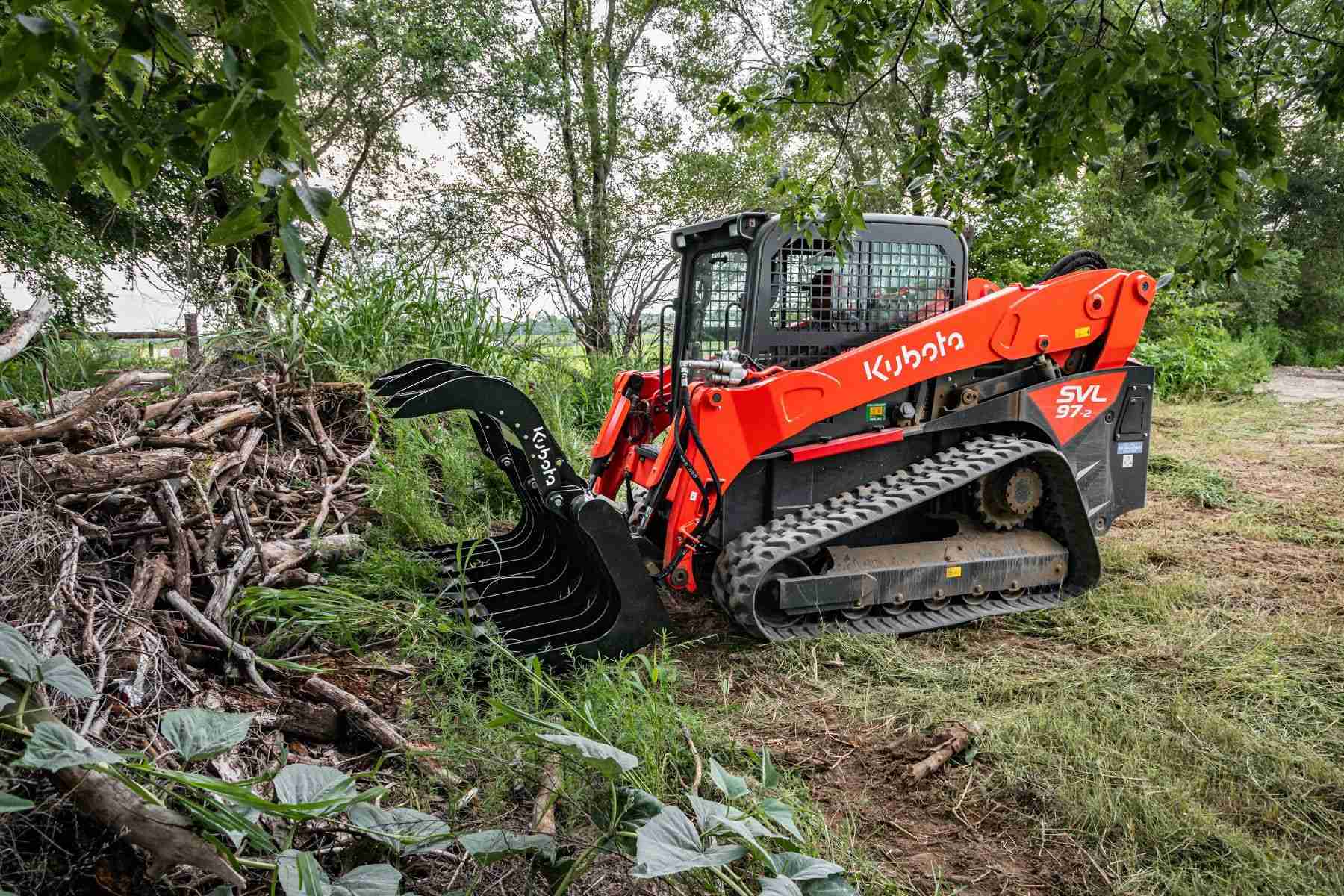
| Compact track loader with grapple | Clearing burned brush, moving logs and rock | How will you keep from tearing up the slope? |
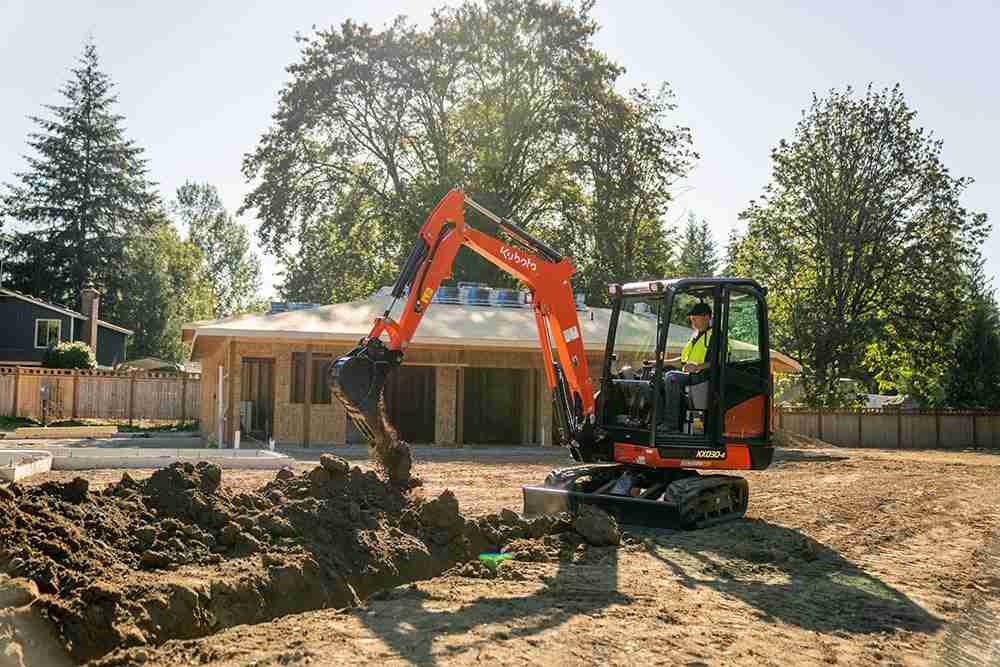
| Mini excavator | Cleaning ditches and culvert inlets, digging for an engineered structure | Does it fit through the access, and where does the spoil go? |
| Dump truck | Hauling debris, ash-mixed soil and rock off site | Where is the load going, and can the truck reach us on a wet road? |
| Compaction (rammer, plate, roller) | Compacting backfill and repaired flat areas | Is anything being compacted on the slope, and who signed off on that? |
Our guides on the skid steer grapple and on compaction equipment go deeper on each machine. The older guide to compact equipment for El Nino storm prep covers ordinary properties.
Why tracks on a burned slope need care
Tracks spread weight better than tires, which is why contractors like track loaders over skid steers on soft ground. But a burned slope is fragile. Turning on it shreds what is left of the roots and surface and loosens soil the next rain will carry off. Every machine has a manufacturer slope limit, and wet ash makes it worse. Ask how the crew will limit slope travel and repair what they disturb.
Bigger is not better here
A big excavator does a lot of work fast, and a lot of damage fast. Often the smaller machine that stays off the slope is the right call.
Ash is not just dirt
Ash from burned structures can contain hazardous materials. Ask how the contractor handles it, and whether they follow county cleanup guidance before anything gets loaded and hauled.
Access, Delivery and the Road Out
Burn scar neighborhoods tend to be hillside neighborhoods. That matters twice: once for getting equipment in, and once for getting you out.
Can the trucks actually reach you?
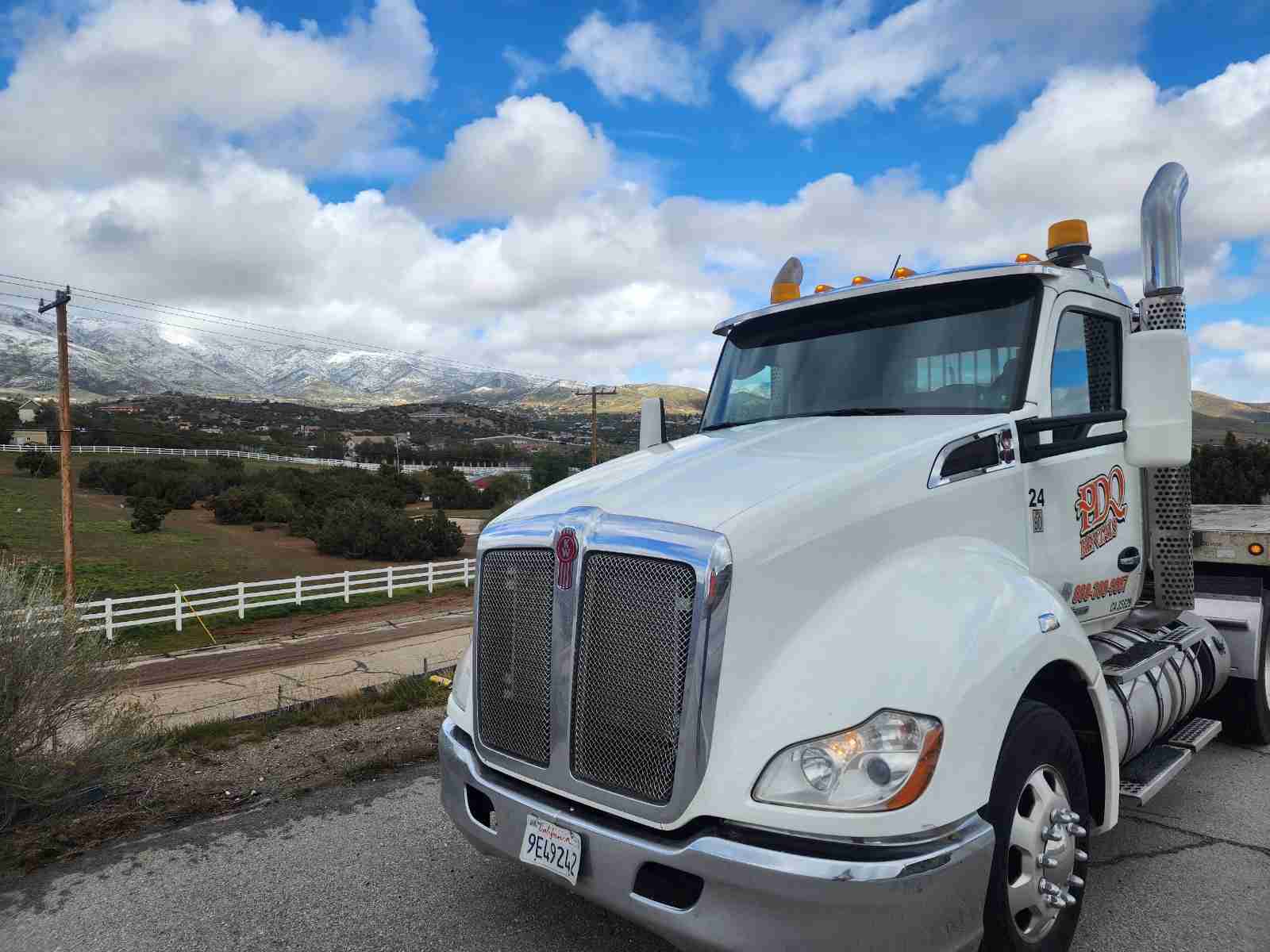
A loaded equipment truck is long and heavy. It needs firm ground, room to turn and a level place to unload. Wet clay and decomposed granite lose bearing capacity after rain, and a truck that rutted your road on the way in may not leave on schedule. Our guide on whether an equipment truck can reach you after heavy rain walks the route,.
Is your road the only way out?
If a private road or long gravel driveway is your evacuation route, it is part of your storm prep. Clogged culverts and a lost crown can turn it into a creek bed. Plan private road repairs before storm season, not after the first storm closes it.
Book the dry weather
Prep happens in dry weather. Everyone wants a loader and a dump truck the same week once the forecast turns. If you know the job, schedule it. Our guide on whether to reserve equipment now or wait lays out the tradeoff.
What You Can Reasonably Do Yourself
Honest answer: on a true burn scar slope, your part is mostly logistics, not earthmoving. Some of it goes faster with a rental. Some of it needs no machine at all.
Leave the slope brush alone
Whatever is growing back may be the only thing holding the soil. Ask before you clear it.
When you might not need us at all
If the county is handling the channel above you and your contractor brings their own fleet, you may not rent a thing from anybody. Fine by us. A shovel and a packed car beat a machine you have never run.
Cleanup Between Storms and After the All Clear
Wait for the all clear from your county. Check for downed lines, undercut pavement and soft ground. Take photos for insurance before you move a single rock.
Clear access first
Road and driveway first, then drains and basins, then the yard. Empty basins and clean inlets so the next storm has somewhere to go. See our storm debris removal equipment guide.
If you rent for cleanup
PDQ's posted rental policies say responsibility for rental items stays with the customer from delivery to return, and that items should be secured and protected from the weather. They also say that if rain keeps you from using the equipment, PDQ must be notified the morning of that day so it can decide whether a credit can be extended. The signed rental contract is what governs. For anything else, like cancellations or delivery fees, ask the branch or read the rental policies. The full fleet is on the PDQ rentals site.
Do not push the problem downhill
Mud shoved into a storm drain or over the property line is just someone else's mess. Check with your city on where sediment can go.
The Short Version
Check the license yourself
CSLB website, plus a certificate of insurance. Five minutes.
Ask who designed it
Walls, barriers and basins need a civil engineer, not a hunch.
Follow the water
Walk the path water and debris will take. It should not end on a neighbor's lot.
Nobody on the slope during a warning
Machines are for prep and cleanup. When the warning comes, everyone leaves.
Seven Questions to Bring to Every Bid
- What is your license number, and can I see your certificate of insurance?
- What burn area jobs have you done, and how did they hold up in the rain?
- Who designed this plan, and has an engineer or the county reviewed it?
- Where exactly will the water and debris go?
- What machines will you bring, and will they fit our access?
- What do you do if a debris flow warning is issued mid-job, and where will equipment be parked?
- Who handles permits, and who cleans out basins and inlets after each storm?
Straight Answers
What is a debris flow after a wildfire?
It is a fast moving mix of water, mud, ash, rocks and sometimes trees that comes off a burned slope during rain.
How long does flood risk last after a wildfire?
Risk is highest in the first few years after a fire, while vegetation grows back. Check with your county about your area.
How do I check if a contractor is licensed in California?
Look up the license number on the Contractors State License Board (CSLB) website. Confirm it is active and the classification fits the work, and ask for a certificate of insurance.
Can I build a wall to stop a debris flow myself?
That is not a do it yourself job. Walls, barriers and debris basins should be designed by a civil engineer, built by a licensed contractor and checked with your city or county.
Where can I get free sandbags in LA County?
Many LA County fire stations and city yards hand out free sandbags during storm season, and LA County Public Works offers guidance for burn areas. Supplies vary, so check before you go.
Should I use equipment during a storm to keep drains clear?
No. Equipment work belongs before the storm and after the all clear. During flash flood or debris flow warnings, stay off machines and follow evacuation orders from your county.
Fine, This Was an Ad Too
A page about hiring contractors, written by the company that rents contractors their machines. You can work out why it exists.
If your contractor needs a track loader, a mini excavator or a dump truck, or you need a pump or generator for your side of the job, call the branch nearest you. If what you really need is an engineer or the county, we will say so and point you there.
We have been at this since 1952. The machines keep changing. The rule about not standing in a debris path never has.