

Mud Everywhere: Equipment for Moving Storm Debris Without Creating a Bigger Mess Clear the way out first, match the machine to the mess, and stay off the soaked lawn until it can hold you up
Disclosure. We rent and sell the loaders, excavators and dump trucks on this page, so we have every reason to make storm cleanup sound like a machine job. Some of it is. A lot of it is a shovel, a wheelbarrow and waiting two dry days.
Short answer: For storm debris removal, use a skid steer or compact track loader with a grapple for branches and broken material, a bucket for mud and silt, a mini excavator for clogged ditches and culverts, and a dump truck to haul it away. Clear your access route first, keep loaded machines off saturated ground, and never push mud into storm drains or onto a neighbor's property.
The storm makes the first mess. The cleanup makes the second one, usually with a machine that was too heavy for wet ground.
After a big SoCal rain the debris is rarely exotic. Mud across the driveway. Rocks off the hillside. Branches, a fence panel. The order you clear it in, and what you drive across, decides whether you are done in a weekend or regrading the yard in April.
This guide is about cleanup after the storm. If you are still prepping, our older guide to compact equipment for El Nino storm prep covers that. NOAA's U.S. Winter Outlook favors a wetter than average December through February for California. Wetter odds, not a promise.
Jump to what you came for
Before Any Machine Starts
No machine belongs on the property while a flood or debris flow warning is active. If your county issues an evacuation order, leave. Equipment work happens before the storm and after the all clear. Never during, never in moving water, and never on a slope that is still shedding mud.
Wait for the all clear, then walk it
Debris flows can start with short bursts of intense rain, not just long storms, and the National Weather Service issues flash flood and debris flow warnings for burn areas. If you live below the Palisades or Eaton fire scars in LA County, or below an older scar in Riverside County or San Diego County, read our guide on storm prep near a burn scar before anyone starts a loader. Then walk the property on foot first.
Check for the things that hurt people
Clear the Way Out First
Most people start with the lawn. Start with access instead. If a truck cannot get in, nothing gets out.
1. The driveway or road
It is how the dump truck, the delivery truck and the ambulance get in. Clear one travel lane first. If the road itself washed out or went soft, that is a repair job, not a cleanup job, and our guide on planning private road repairs before storm season walks through it.
2. Drainage paths
Next, open whatever carries water off the property: ditches, culvert inlets, swales, area drains. A ditch full of silt now means mud in the garage next storm.
3. Standing water
Pump it before you drive through it. A trash pump handles muddy water with grit in it, and a clear-water pump will choke on the same water. Our guide on trash pumps vs. water pumps for muddy stormwater explains which one to rent.
4. Yards, beds and everything else
Last. They are the wettest and easiest to wreck, and they can wait a few dry days.
Pick the Machine for the Material
Storm debris is a mix, and each part wants a different tool.
| Material | Usually the right tool | Usually the wrong tool |
|---|---|---|
| Mud and silt on hard surfaces | Loader with a bucket, then shovels and a broom | A grapple, which lets the mud fall through |
| Branches, brush, fence panels | Root grapple on a skid steer or track loader | A bucket, which scoops up dirt with every bite |
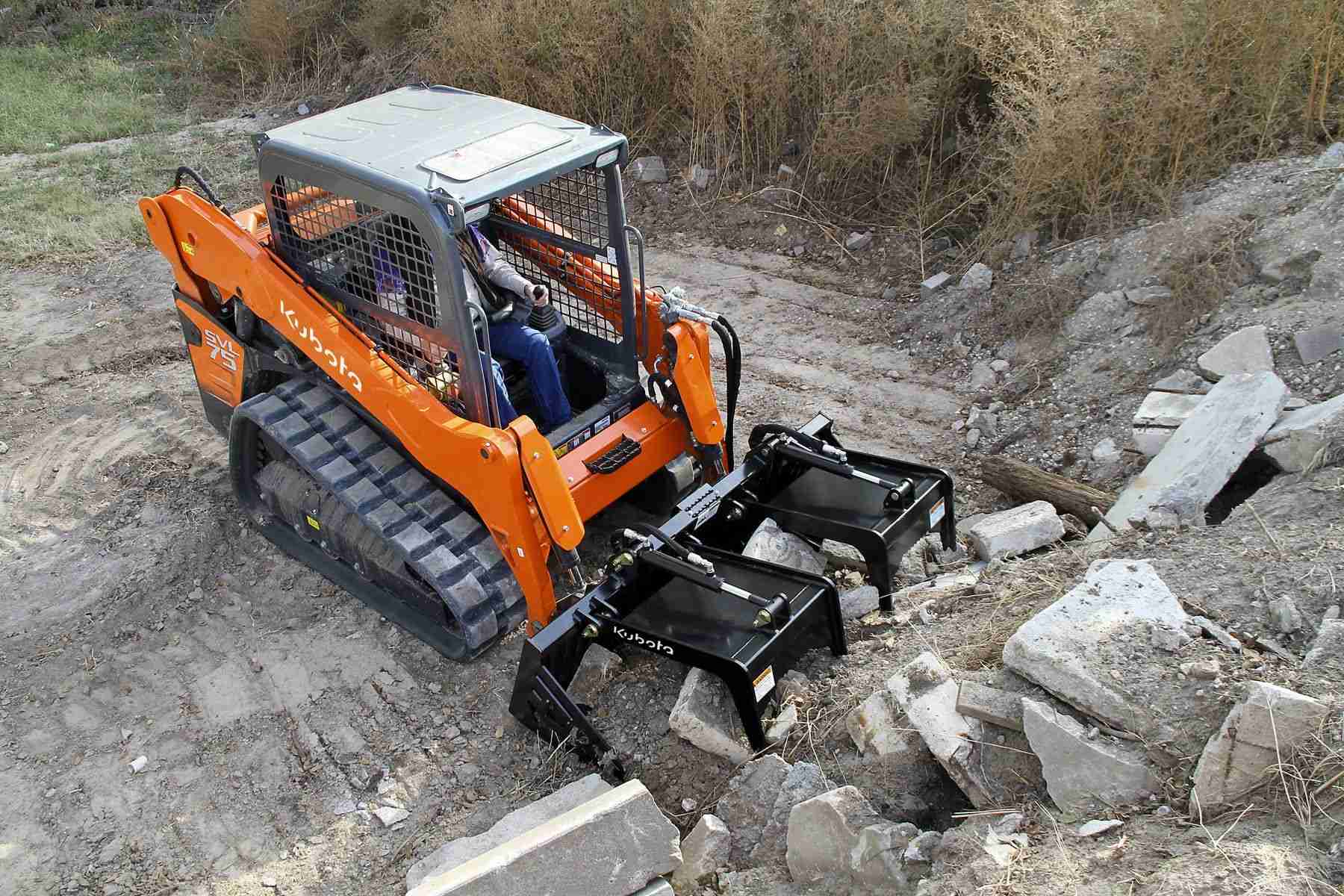
| Rocks and broken concrete | Rock grapple or a bucket, within rated capacity | A small tractor loader past its limit |
| Silt in ditches and culvert inlets | Mini excavator, then hand tools at the pipe | A wide loader bucket that pushes silt into the pipe |
| Hauling it all away | Dump truck, loaded by the loader | Fifteen pickup trips |
| Standing water | Trash pump | Driving through it |
Grapple for anything with arms and legs
Branches, roots, fencing. A grapple lets the dirt fall out and keeps the junk. Our skid steer grapple guide covers root vs. rock grapples and the weight math, and the brush clearing equipment guide covers bigger piles.
Bucket for mud
Back-drag mud with the bucket flat, scoop, dump into the truck. Wet mud is heavy, so do not heap the bucket.
Smaller than you think
In a tight backyard, a small skid steer or a crew with wheelbarrows beats a big loader that cannot fit through the gate. When the access says rent the smaller thing, rent the smaller thing.

Wet Ground: Where Cleanup Turns Into Damage
Saturated ground does not hold weight. Expansive clay, common all over SoCal, turns to grease when it is wet. Decomposed granite ruts once soaked. Loaded machines leave tracks that set up hard when they dry. Same story on LA County foothill lots and rocky Inland Empire ground.
Tracks or wheels
A compact track loader spreads its weight over the tracks and keeps going on soft ground where a wheeled skid steer digs in and spins. The catch: tracks still rut a wet lawn, and spinning in place tears up turf. Turn in wide arcs.
On slopes
Do not work a slope that is still wet or still moving. Mud on a hillside can let go under a machine. Follow the operator's manual and the manufacturer's limits for slope work, and keep loads low. If the hillside itself failed, that is a job for a civil engineer or a licensed contractor, not a rental.
Protect what you drive on
If you have to cross a lawn or a soft spot, ground protection mats spread the load. Often the cheaper answer is waiting two or three dry days.

Ditches, Culverts and Drainage Paths
Clearing silted ditches and culvert inlets is the most valuable machine hour after a storm. It decides where the next storm's water goes.
Mini excavator for ditches
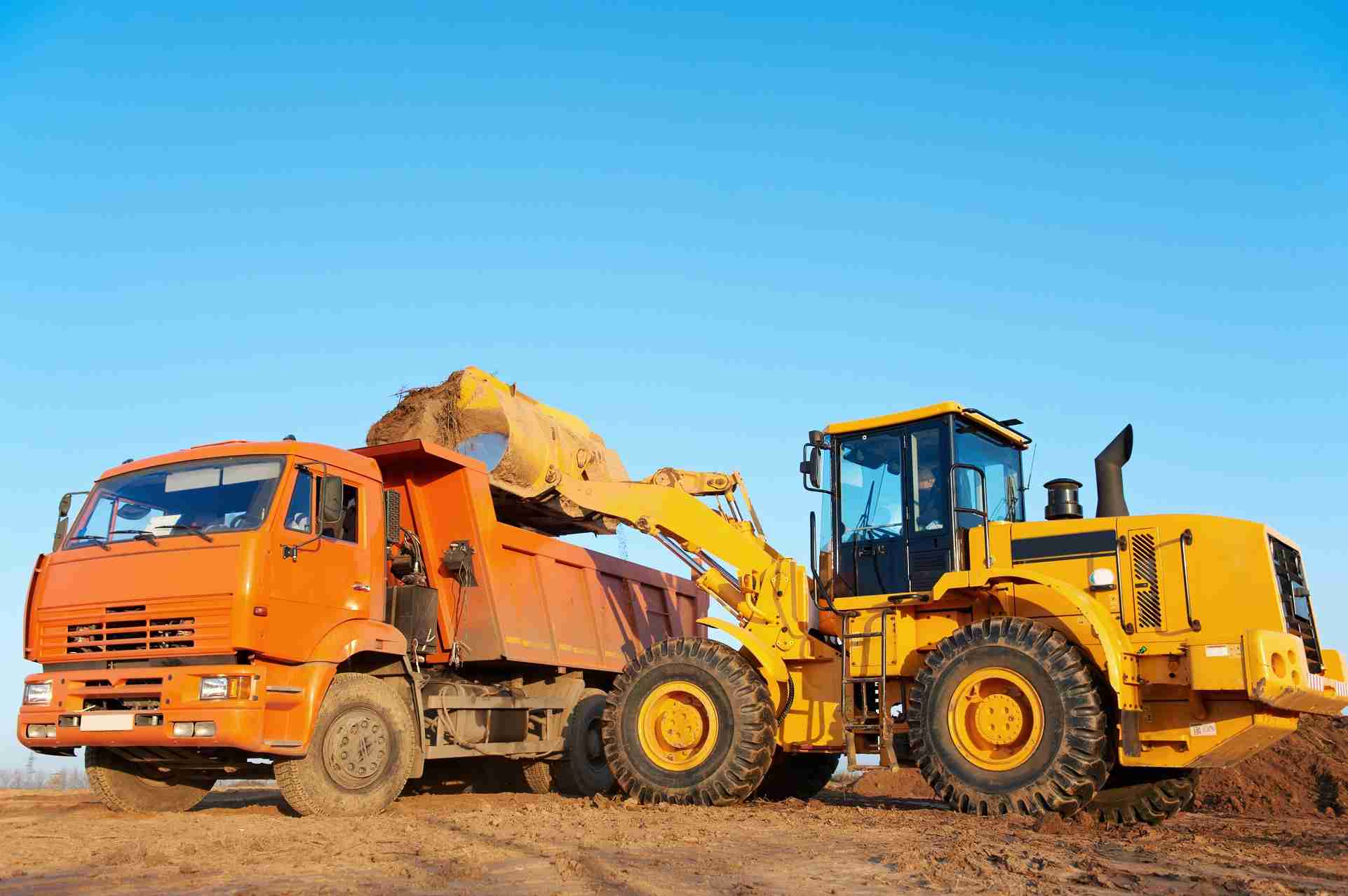
A mini excavator with a narrow or ditch-cleaning bucket reaches into a ditch from the side, scoops the silt and swings it into a truck or onto a pile, without driving in the ditch. Our mini excavator attachments guide covers bucket options. The one in the photo is bigger than most homeowners need.
Finish culvert inlets by hand
The machine clears the approach. Finish the pipe mouth and grate with a shovel. Pushing silt into a culvert just moves the clog to where you cannot reach it.
Know when it is not yours to fix
Where the Debris Goes, and How It Gets There
Every cleanup ends with a pile. The pile is where people get fined.
Separate as you go
Keep green waste (branches, brush), clean dirt and mixed debris (fencing, concrete, trash) in separate piles. Disposal sites and haulers often handle them differently. Ask your local transfer station or landfill what they accept. Our dirt removal guide covers the hauling side.
Dump truck or pickup
A pickup is fine for branches. A full bed of wet mud can overload it. A dump truck loaded by the skid steer moves far more per trip. PDQ's posted rental policies say proof of insurance is required for truck rentals and a valid California driver's license is required for all rentals. The signed rental contract is what governs. Dump trucks are among the items PDQ rents most, so after a storm, ask early.
Never into the storm drain
After the Mud: Compaction, Rain Days and the Rental Clock
Compact what you disturbed
Where you filled ruts or backfilled around a culvert, compact in thin lifts once it dries to workable moisture. Mud does not compact. It squishes. A plate compactor handles paths and small fills, and a roller handles a driveway. Our compaction equipment guide explains which is which.
If it rains again mid-rental
PDQ's posted rental policies say that on rain days or other days you cannot use the equipment, you must notify PDQ the morning of that day so it can decide whether a credit can be extended. The signed rental contract is what governs. Our guide to what happens to the rental clock when a job is delayed covers the rest.
Calling it off rent
On a delivered rental, the posted policies say the clock stops when you call it off rent and PDQ issues a termination number. You are still responsible for keeping it safe and accessible until pickup, so park it on firm ground a truck can reach. For anything else (cancellation, delivery fees, returning a muddy machine), ask the branch and read PDQ's rental policies.
Booking before the next storm
Storms create demand for loaders, pumps and dump trucks all at the same time. See whether to reserve storm equipment now or wait, and see the categories PDQ rents on the PDQ rentals site.
The Short Version
Access first
Clear the driveway and the drainage paths before the yard. If a truck cannot get in, nothing gets out.
Grapple for junk, bucket for mud
Match the attachment to the material. A grapple lets mud fall through. A bucket buries brush in dirt.
Wait for the ground
Two dry days often saves a lawn. Tracks help on soft ground, but they still rut it.
Nothing goes down the drain
Separate green waste, dirt and debris. Keep mud out of storm drains and off the neighbor's property.
Seven Questions Before You Start Cleanup
- Is any warning or evacuation order still active, and has the slope above me stopped moving?
- Have I photographed everything for my insurance company?
- Can a delivery truck and a dump truck reach the property and turn around on firm ground?
- What is most of the mess: mud, brush, rock or standing water?
- Will the machine fit through my gate and work without crossing a soaked lawn?
- Where will each pile go, and what does my local transfer station accept?
- Is any of this a slope, drainage or culvert problem that needs an engineer, a licensed contractor or the county?
Straight Answers
What equipment do I need for storm debris removal?
A skid steer or compact track loader handles most of it, with a grapple for branches and broken material and a bucket for mud and silt. Add a mini excavator for ditches and culverts and a dump truck for hauling.
How do you remove mud from a driveway after a storm?
Pump off standing water, scrape the mud with a flat loader bucket or shovels, load it into a truck and finish with a broom. Do not wash or push mud into a storm drain, because sediment discharge can violate local stormwater rules.
Is a track loader or skid steer better for storm cleanup?
A compact track loader usually works better on soft, wet ground because its weight is spread out. A wheeled skid steer is fine on pavement and firm ground. Both will rut a saturated lawn, so waiting for the ground to dry is often the best move.
Where do I dump mud and storm debris?
Separate green waste, clean dirt and mixed debris, then ask your local transfer station, landfill or hauler what each one accepts. Never dump mud into storm drains or creeks, and never push it onto a neighbor's property.
When is it safe to start storm cleanup with equipment?
After flood and debris flow warnings have ended, evacuation orders are lifted and the slopes above you have stopped moving. Check for downed power lines and gas leaks first, and photograph the damage for insurance before you move anything.
Should I hire a contractor for storm cleanup?
Hire one, or call the city or county, when the job involves a failed slope, a retaining wall, a debris basin, a large or county-maintained culvert, or drainage that affects neighbors. Clearing mud and branches from your own driveway and yard is a reasonable rental job if the ground can carry the machine.
Fine, Here Is the Sales Part
Everything above was written by people who rent loaders and dump trucks, on a page built to make you think of us when your driveway is under six inches of mud. We are not going to pretend otherwise.
Tell us what is on the ground, how wet it still is and how a truck gets in. We will tell you what to rent, and sometimes the answer is a smaller machine, a pump, or nothing until the ground dries out.
We have been at this since 1952. The cleanups that go best usually start two days later than the owner wanted.