

The Rain Stopped, but Your Property Is a Mess. Where Do You Start? Safety and photos first, then the driveway, then the drains. The mud can wait until it dries, and so can most of the machines.
Disclosure. We rent the machines people use to clean up after storms, so we have every reason to tell you to rent one. A lot of the first week is a shovel, a rake and patience. We will tell you which parts are not.
Short answer: Start storm damage cleanup with safety and photos for your insurance, then open the driveway and access, then clear drainage paths and culverts before the next storm. Debris piles, mud and lawn ruts come after that, and most of that work should wait until the ground is dry enough to walk on without sinking.
The order matters more than the equipment. People who start with the mud usually end up doing the mud twice.
Here is the pattern we see every wet winter across LA County, Riverside County and San Diego County. The rain quits on a Tuesday. By Wednesday the homeowner is staring at a gravel drive with a canyon in it, a clogged culvert and silt against the back fence. The instinct is to grab the nearest problem. Work in the order below instead; each step makes the next one easier.
Jump to what you came for
Day One: Safety, Then Photos, Then Nothing Heavy
The first day is for looking, not lifting.
Things that mean stop and call someone
Photos before you move anything
Photograph and film everything before you clean it up, including damaged items before they go to the curb. Then call your insurance agent and ask what they need documented and whether they want to see damage before you remove it. Many standard homeowners policies treat flood and mudflow differently from wind or a falling tree, so ask what yours covers instead of guessing.
Get the Driveway and Access Open
If a truck cannot get in, nothing else gets done.
Access comes second because every later step depends on it. On rural lots in the Inland Empire and back-country San Diego County, the driveway is often the first thing the storm took.
Small washouts: hand tools and a load of base
A rut a few inches deep can be raked back in once it firms up. Fill it with road base (a crushed rock and fines mix that packs hard) and tamp it in layers.
Bigger washouts: wait, then grade
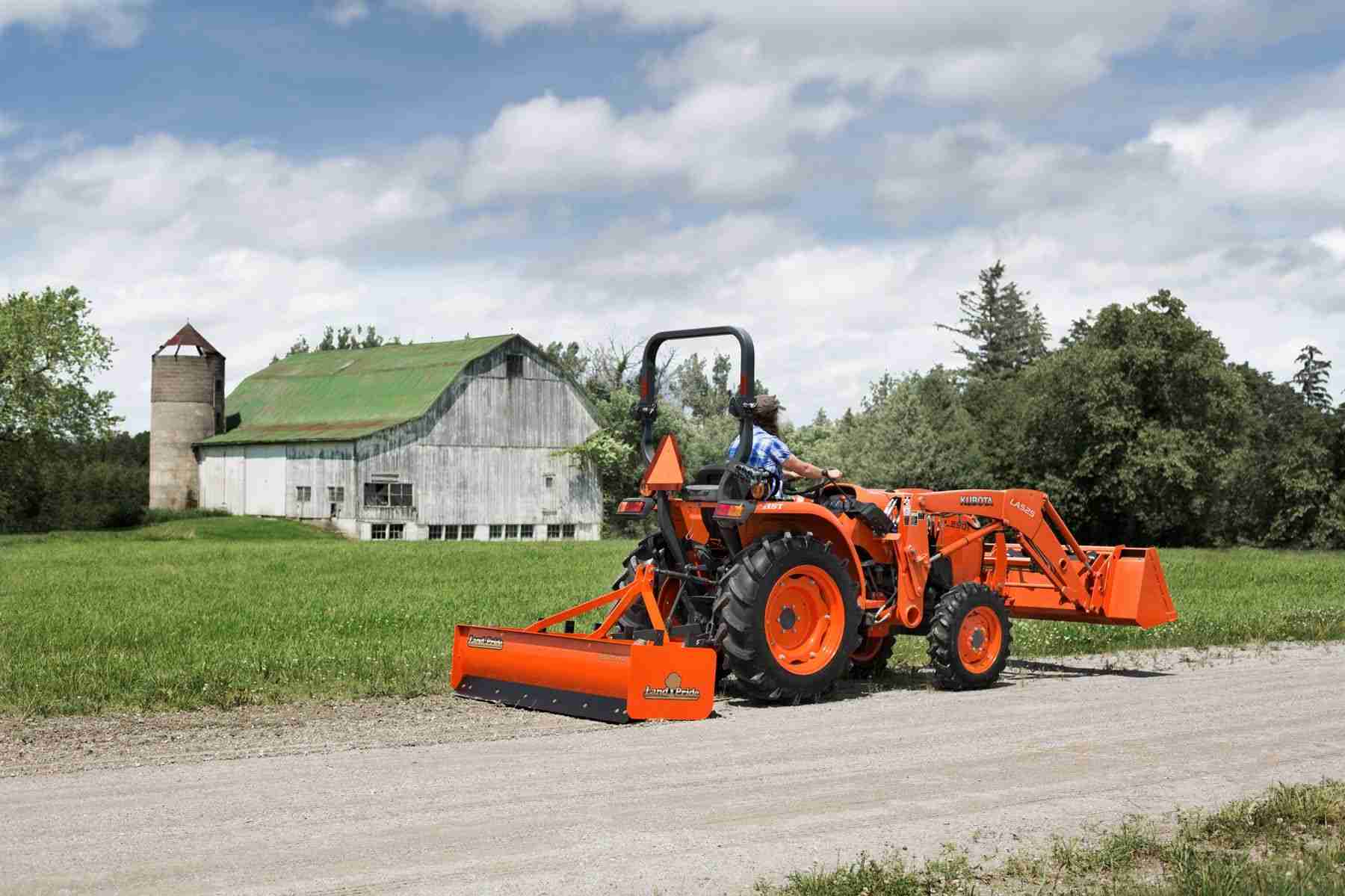
When the drive has gullies or the gravel is sitting in the ditch, it needs to be regraded, not just filled. That means cutting high spots down, putting back the crown (the slight hump in the middle that sheds water to both sides) and compacting. A tractor with a box blade or land plane does this well, but only on ground that is firm enough not to rut. Our gravel driveway repair guide walks through why the holes come back and how to stop them. If the road is shared with neighbors, read the private road repair guide before anyone starts grading.
Clear the Drainage Paths Before the Next Storm
Storms here tend to come in waves. Whatever is clogged now will be worse next week.
Culverts and drain inlets
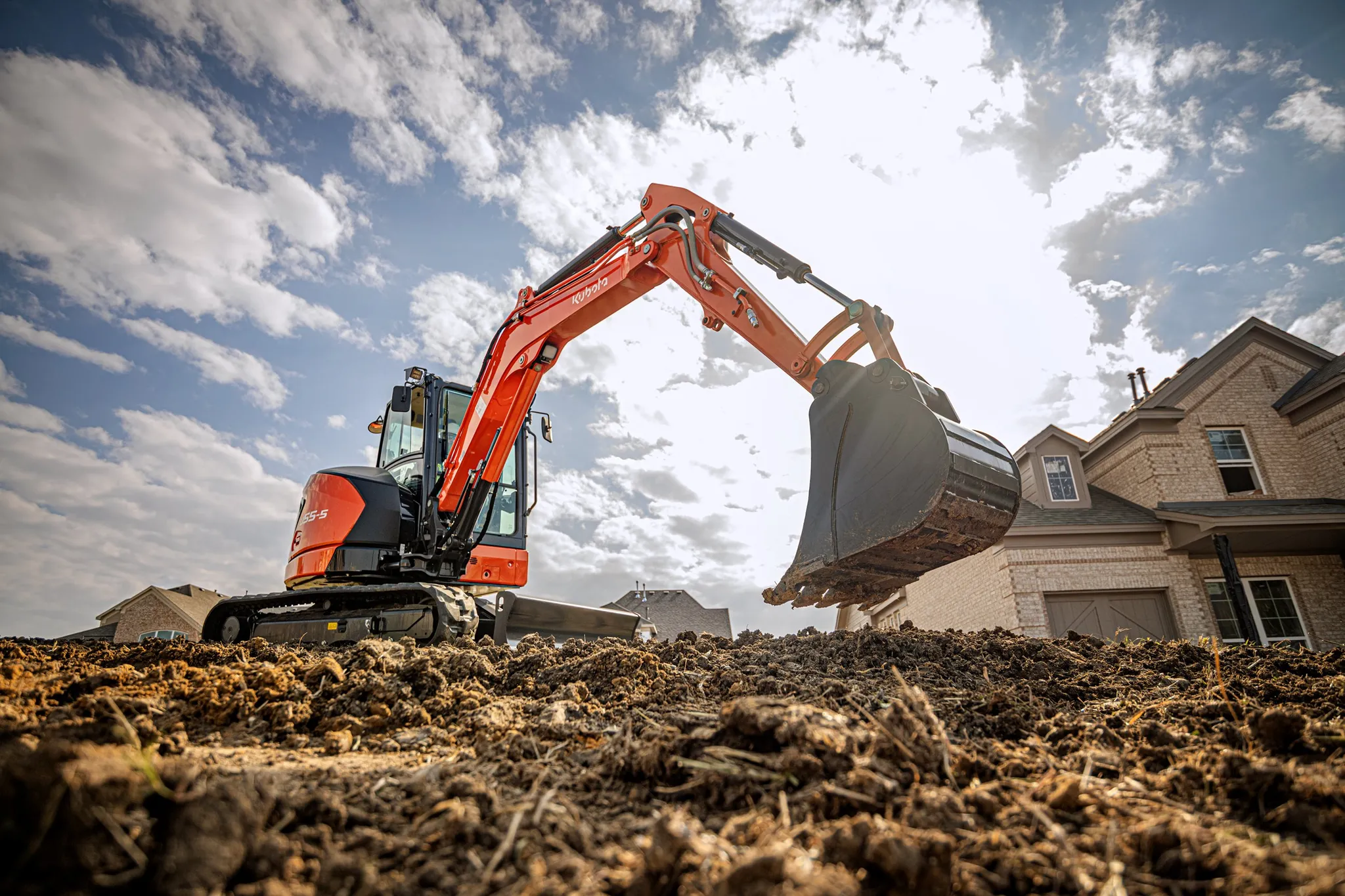
A culvert is the pipe that carries water under your driveway or path. Clear the inlet and outlet from the top with a rake or shovel. Never climb into a culvert or stand in the channel while water is flowing. If the pipe itself is packed with silt, that is a job for a contractor or a rented mini excavator.
Swales, ditches and downspouts
A swale is a shallow, wide ditch shaped to carry water across a yard. After a storm they fill with mud and leaves and stop working. Scoop them out by hand while the soil is damp but not soupy. Reconnect loose downspout extensions and turn the irrigation off.
Debris Piles: Sort Before You Lift
Branches, broken fencing, rock that rolled off the hill. It all ends up in one pile, which is the wrong way to handle it. If you run a crew, our storm debris removal equipment guide covers the machine side.
Make three piles, not one
Green waste (branches, leaves, brush), construction debris (wood, fencing, concrete) and trash. Haulers price and accept these differently. Ask your city about storm debris pickup before you pay anyone; some cities run extra collection after big storms.
What a machine actually helps with
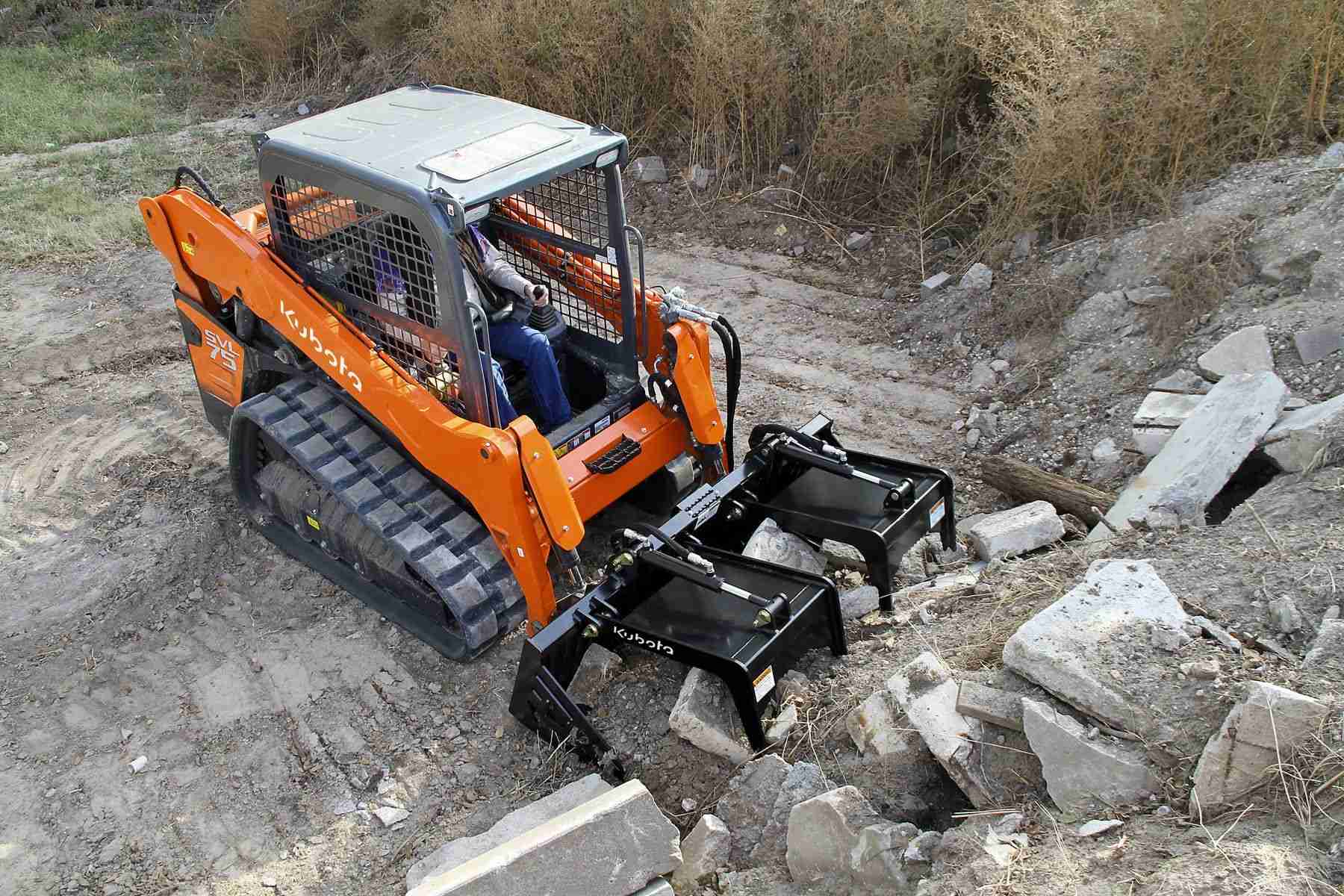
A skid steer or track loader with a grapple turns a weekend of dragging brush into an afternoon, and a limb chipper shrinks the green pile to mulch. That only makes sense if the pile is big and the ground can hold the machine. For a pickup load of branches, a pair of loppers and a tarp are the right tools.

Mud and Sediment: Let It Dry First
Wet mud weighs more, slides back where you pushed it from and smears into everything. Dry or damp mud scrapes up in sheets. Waiting is the faster way.
Hardscape and the garage
Shovel silt off patios, walks and the garage floor once it stiffens up. Many cities treat washing mud into the gutter or storm drain as a stormwater violation, so scrape and bag it instead of hosing it away, and check with your city if you are not sure.
Silt on the yard
A thin layer of silt on a lawn can often be raked out and the grass will come back through it. Thick deposits, especially below a burn scar, have to be dug, loaded and hauled. A compact loader and a dump truck make sense here, once the ground can take the weight. If you are moving a lot of it, our dirt removal guide covers the hauling math.
Ruts and Lawn Damage
This is where people make things worse: they drive something heavy across the yard to fix it, and now it has ruts.
Stay off saturated ground
Any machine, including the one you rented from us, will sink and rut wet lawns and wet clay. Ruts made in mud bake hard in summer and then you have a new project. Tracks spread the weight better than tires, and ground protection mats help on a path you have to cross, but the honest fix is usually waiting. If you already own a tractor and want to know what it can handle, read can a compact tractor handle a muddy property first.
Fixing ruts once it dries
Shallow ruts on a lawn can be filled with topsoil, leveled with a rake and reseeded. On a bigger property, a tractor with a box blade or land plane levels tire tracks quickly, once the soil crumbles instead of smearing.
What You Can Do by Hand, What to Rent, What to Hire Out
Most storm damage cleanup on a residential lot is hand work. Machines earn their keep on volume. Some jobs belong to a licensed contractor or an engineer no matter how handy you are.
| Job | By hand | Rented machine | Hire out |
|---|---|---|---|
| Branches and small debris | Usually enough | Chipper for big piles | Rarely needed |
| Shallow driveway ruts | Rake and tamp | Plate compactor | Rarely needed |
| Deep washouts and lost crown | Too much | Tractor or loader, dry ground | Grading contractor |
| Clogged culvert pipe | Inlet and outlet only | Mini excavator | If the pipe is packed |
| Thick silt across the yard | Slow | Loader plus dump truck | Hauling contractor |
| Slope slumps, cracks, damaged walls | No | No | Engineer or licensed contractor |
If you do rent
Rent the smaller machine, for as short as the job allows. PDQ's posted rental policies say that if rain keeps you from using the equipment, you need to notify PDQ the morning of that day so they can decide whether a credit can be extended. They also say you are responsible for the equipment from delivery to return, including keeping it secured and protected from the weather. The signed rental contract is what governs, and anything else (delivery, cancellations, swaps) is a question to ask; see our rental policies page. First time renting? Our first-time renter guide covers the basics, and you can browse categories on the PDQ rentals site.
When to hire a contractor
Hire out when the job involves a slope, a wall, a structure, a utility, or water leaving your property. Hire out when it would take you three weekends and a contractor one day.
Then, and Only Then, the Permanent Fixes
Once things are dry, look at why the damage happened. The storm just showed you where your water goes.
Use what the storm showed you
Mark where water pooled, where it cut channels and where the silt ended up. Those are your low spots and your drainage paths. Common fixes, roughly from cheapest to most expensive: extend downspouts, fix irrigation leaks, regrade low spots, add a swale, add a French drain (a gravel trench with a perforated pipe that collects and carries water) or catch basins, or hire a drainage contractor. Our backyard drainage equipment guide covers the tools for those jobs.
Call 811 before you dig
Call 811 (DigAlert serves Southern California) at least two working days before any digging. Marking covers public utilities. Private lines like sprinkler mains and pool lines usually are not, so locate those by hand.
Get ready for the next one
Anything holding back a real slope needs an engineer and often a permit, so start that call now, not next December. For the rest of the season, the El Nino property checklist is a good list to work from.
The Short Version
Safety and photos first
Stay away from lines, moving water and moving slopes. Document everything before you clean it, then call your insurer.
Access, then drainage
Open the driveway, then clear culverts and swales before the next storm stacks on top of this one.
Let the mud dry
Dry mud scrapes. Wet mud slides and ruts. Machines on saturated ground make new damage.
Hire out the scary parts
Slopes, walls, structures, utilities and water leaving your lot go to an engineer or licensed contractor.
Your First-Week Checklist
- Is anything dangerous on the property: downed lines, gas smell, moving water, cracks or a leaning tree?
- Have I photographed and filmed the damage, and asked my insurer what they need before I clean up?
- Can a car, a trash truck and a delivery truck get in?
- Are the culvert inlets, swales and downspouts flowing again?
- Have I sorted debris into green waste, construction debris and trash, and asked my city about pickup?
- Is the ground dry enough to walk on without sinking before any machine goes on it?
- Which jobs need an engineer, a licensed contractor or the city instead of me?
Straight Answers
What should I do first after a storm damages my property?
Check for hazards first: downed lines, gas smells, moving water and unstable slopes. Then photograph and film all the damage before you move anything, and call your insurance agent to ask what they need documented.
How long should I wait before driving equipment on a wet yard?
There is no fixed number of days. Wait until the soil crumbles in your hand instead of smearing and you can walk across it without sinking. Clay soils take longer to dry than sandy ones.
Can I hose storm mud into the street?
Many Southern California cities treat washing mud into the gutter or storm drain as a stormwater violation. Scrape and bag it instead, and check with your city about how to get rid of large amounts.
Do I need to rent equipment for storm cleanup?
Often not. Most residential cleanup is hand work. A rented loader, chipper or dump truck makes sense for large debris piles, thick silt or a washed out driveway once the ground is dry enough to hold the machine.
Does homeowners insurance cover mud and flood damage?
It depends on your policy. Many standard homeowners policies handle flood and mudflow differently from wind or a falling tree. Ask your agent what yours covers and what documentation they want before you start cleaning up.
When should I hire a contractor instead of doing storm cleanup myself?
Hire out anything involving a slope, retaining wall, structure, utility or water leaving your property. A contractor also makes sense when the volume is more than a few days of work or you have never run the equipment.
This Part Is the Ad
You just read seven steps of cleanup advice from a company that rents loaders. Most of the steps involved a shovel. We are aware that is a strange way to sell rentals.
If your job really does need a machine, tell us what happened, how big the mess is and how dry the ground is. We will help you pick the smallest thing that does it, and tell you if the right call is a contractor or another week of sunshine.
We have been around since 1952, which is a lot of wet winters. The best cleanup jobs we have seen started with someone waiting two days.